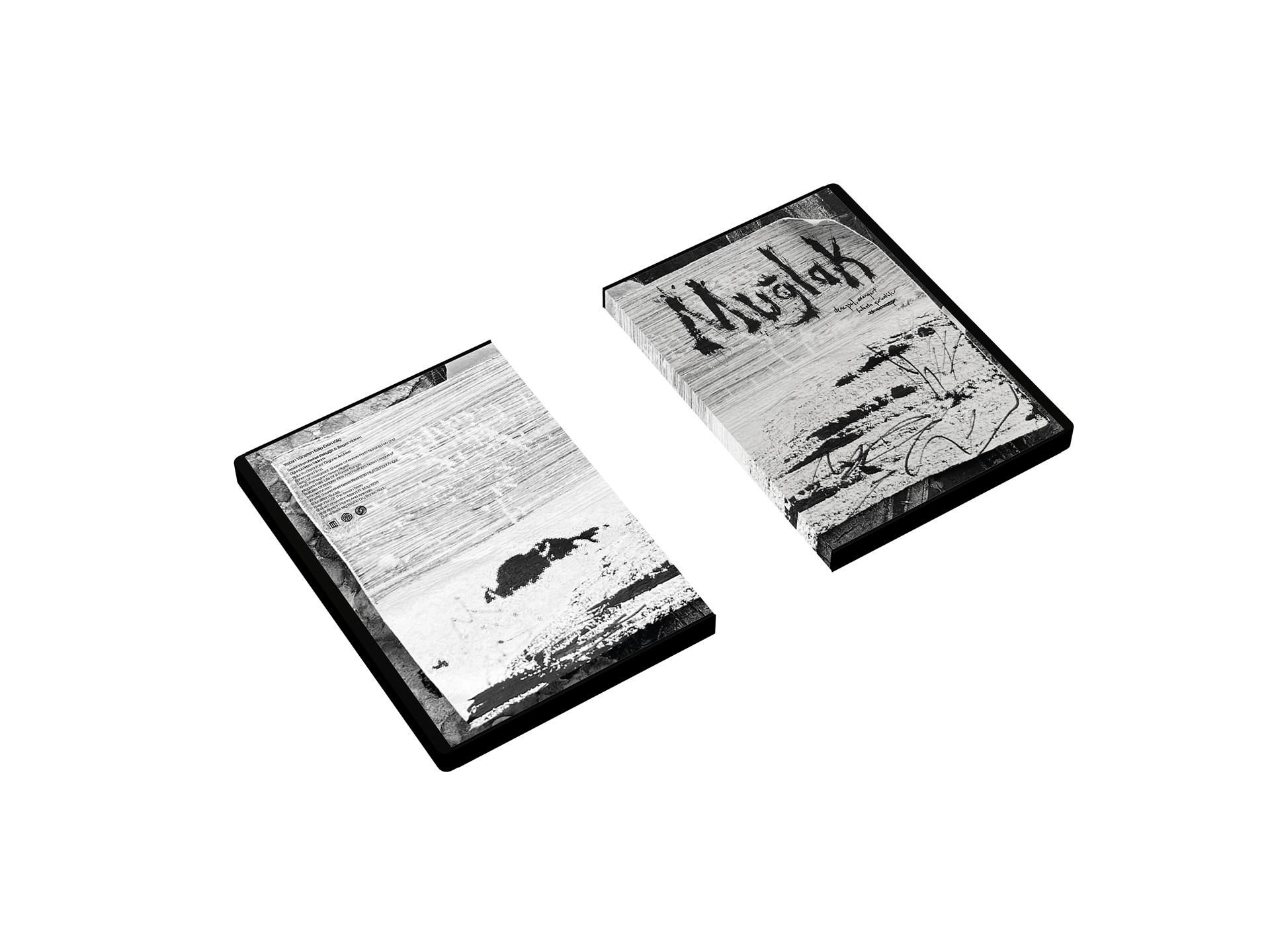
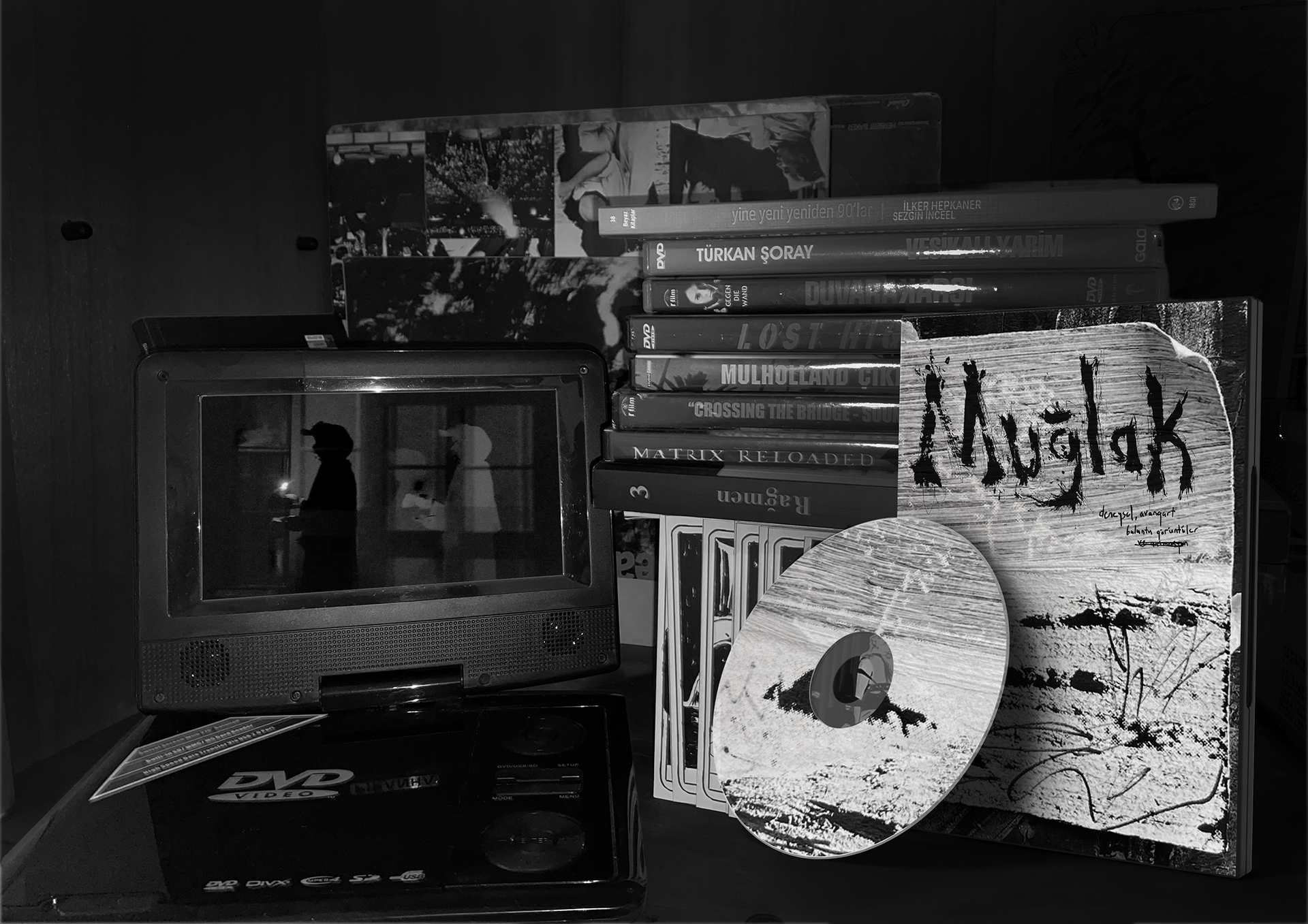
Our Ambiguous Nightmare Narratives begins in the place where dreams remain unfinished, voices are suppressed, and images grow blurry. The exhibition and short film, woven from found footage, archival fragments, and personal memories, follow a dark narrative shaped by uncertainty.
These stories emerge sometimes as a faint shadow, sometimes as a jarring detail. As they drift along the edges of memory, repression, and recollection, they leave the viewer alone with their own inner darkness.
In an age saturated with the expectation of clarity, these narratives choose to exist within the blur, making both individual and collective memory visible. And perhaps most importantly, they remind us that dreams, like our identities, can never be contained within a single form. That, too, is a kind of pride.
.
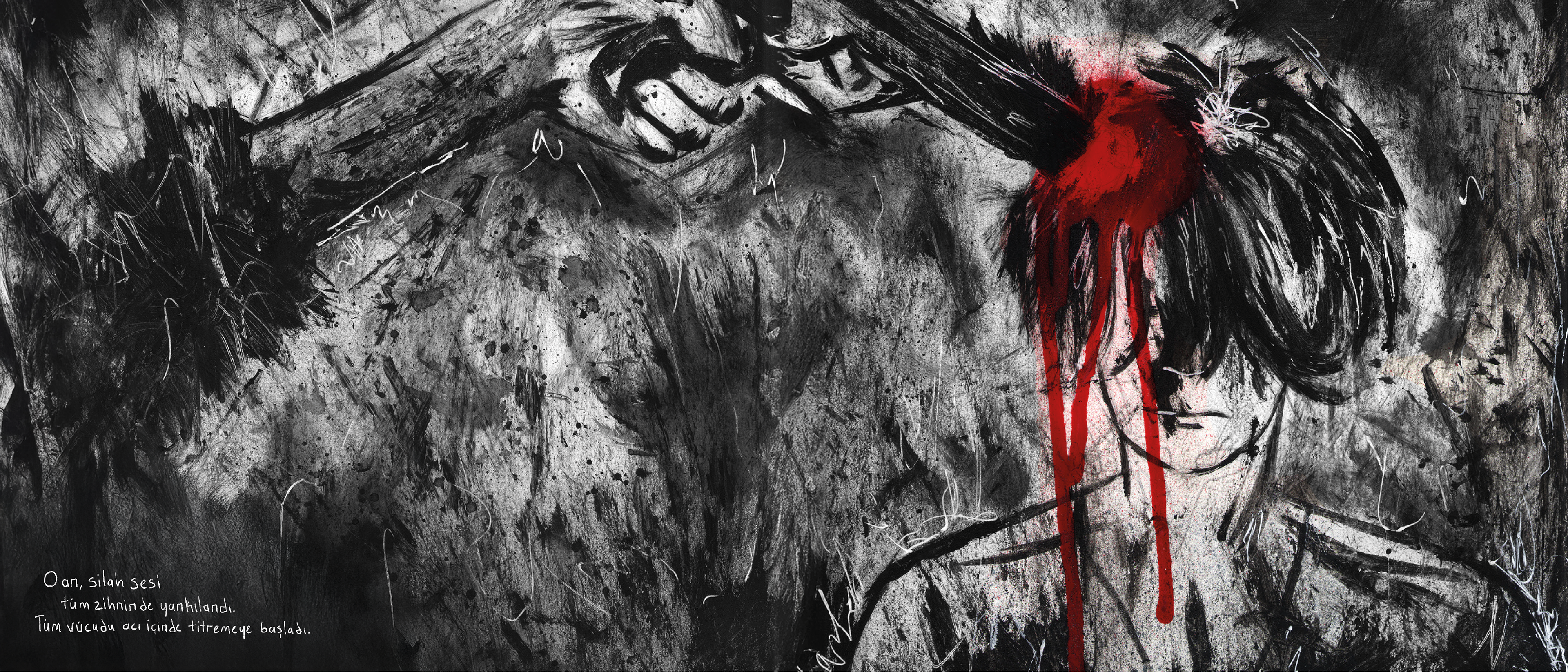
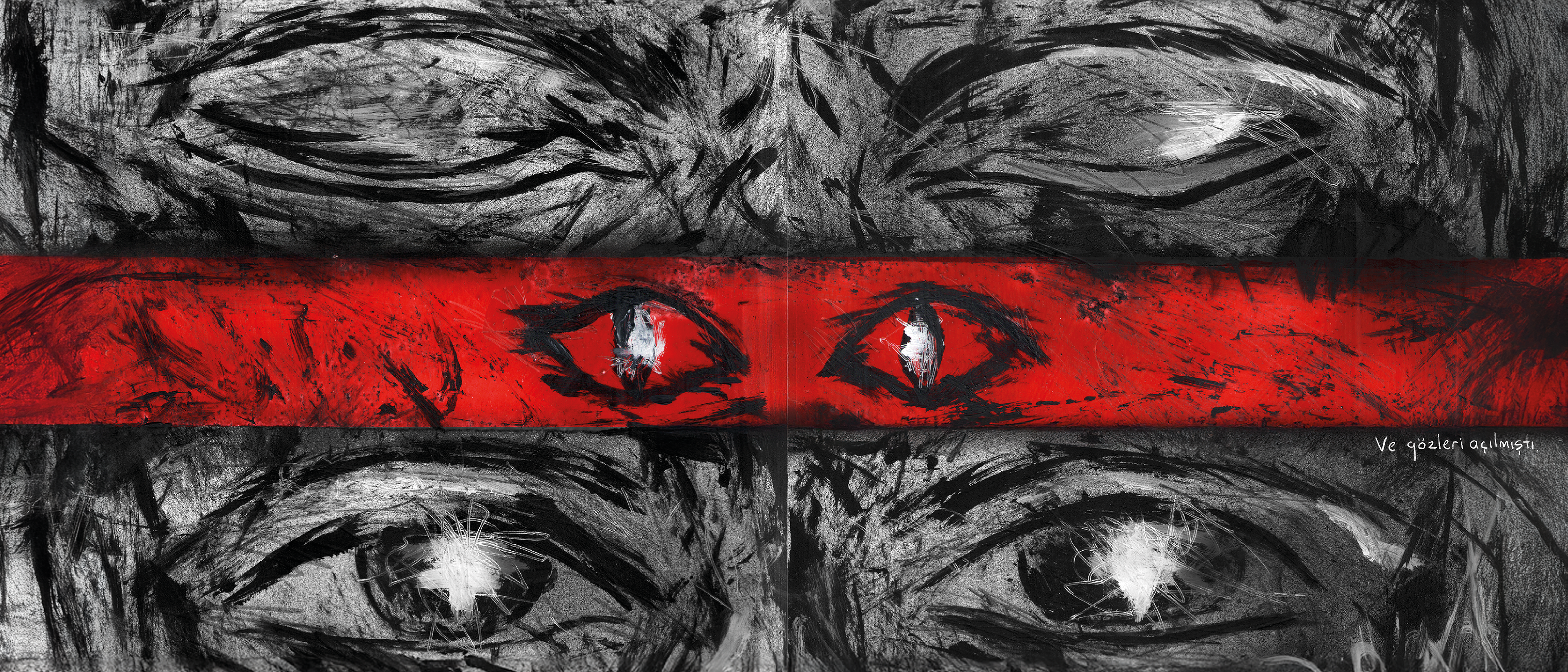
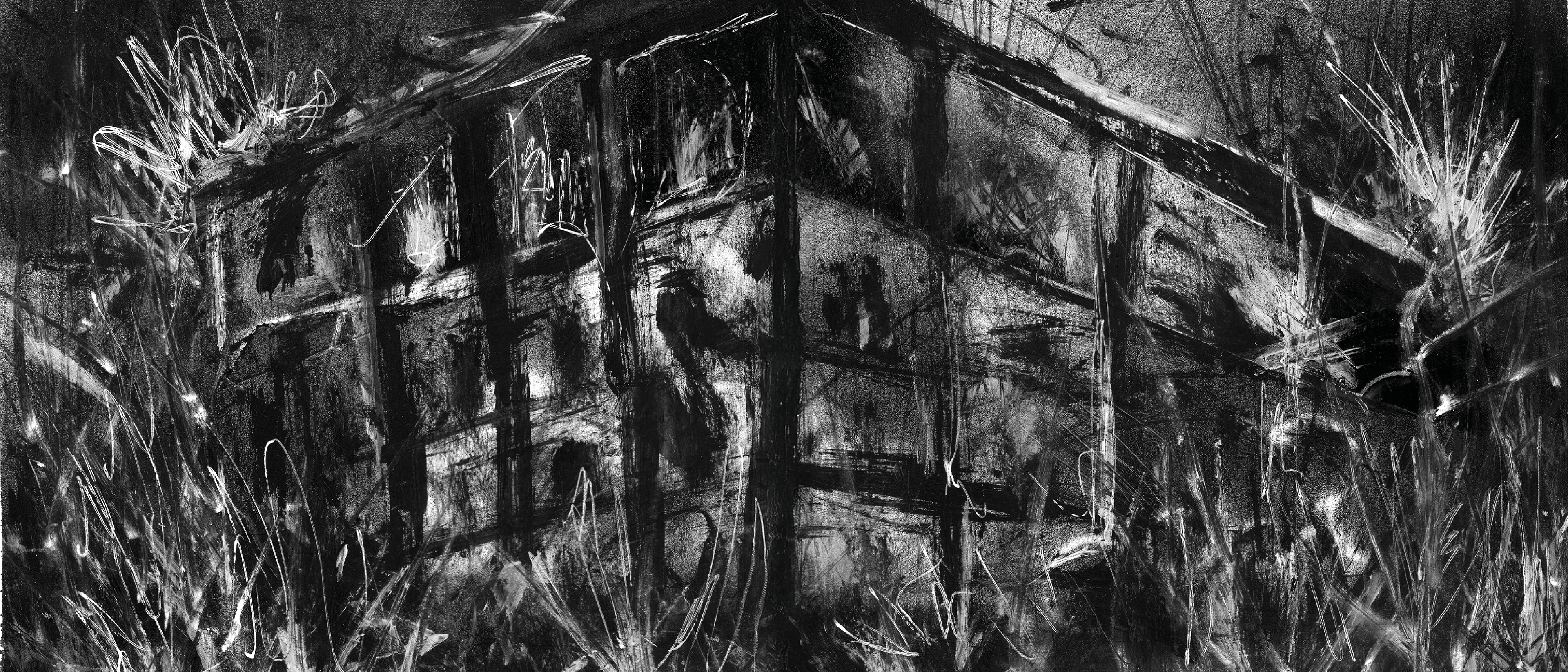
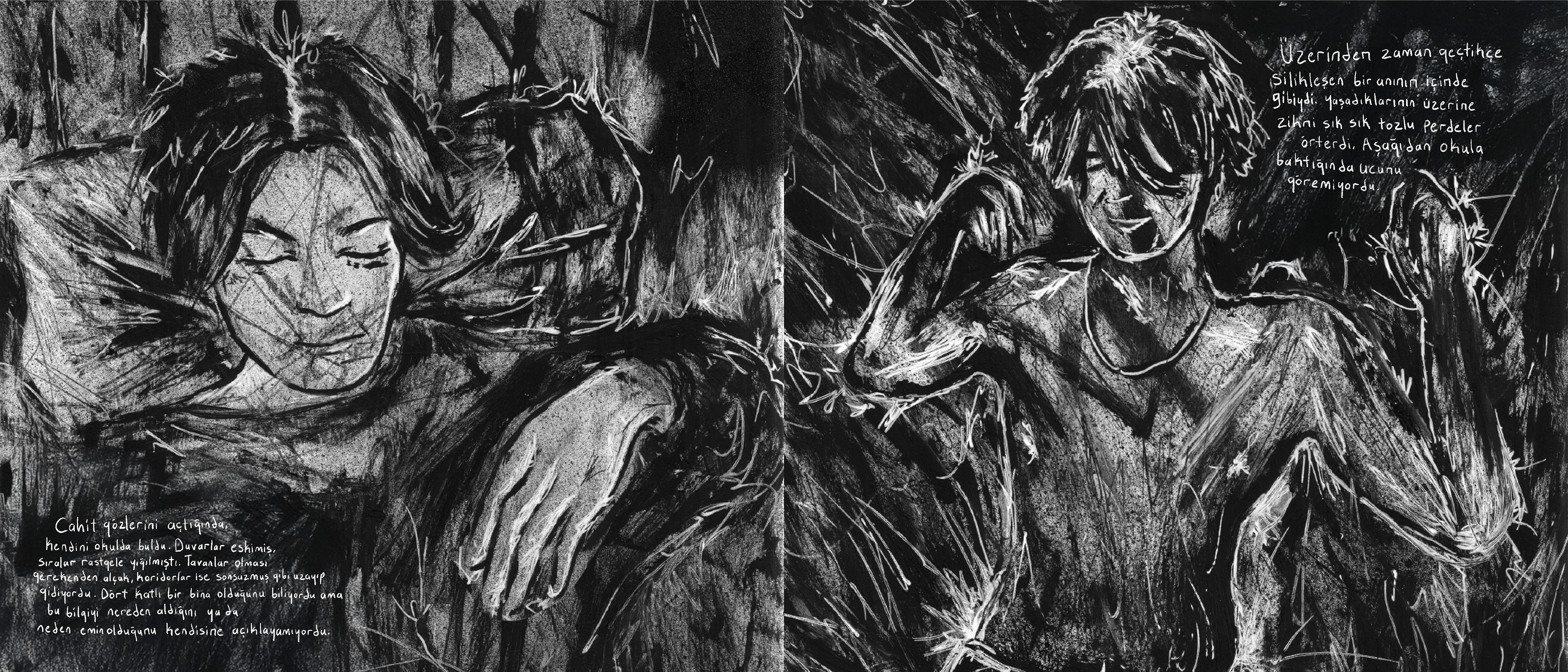
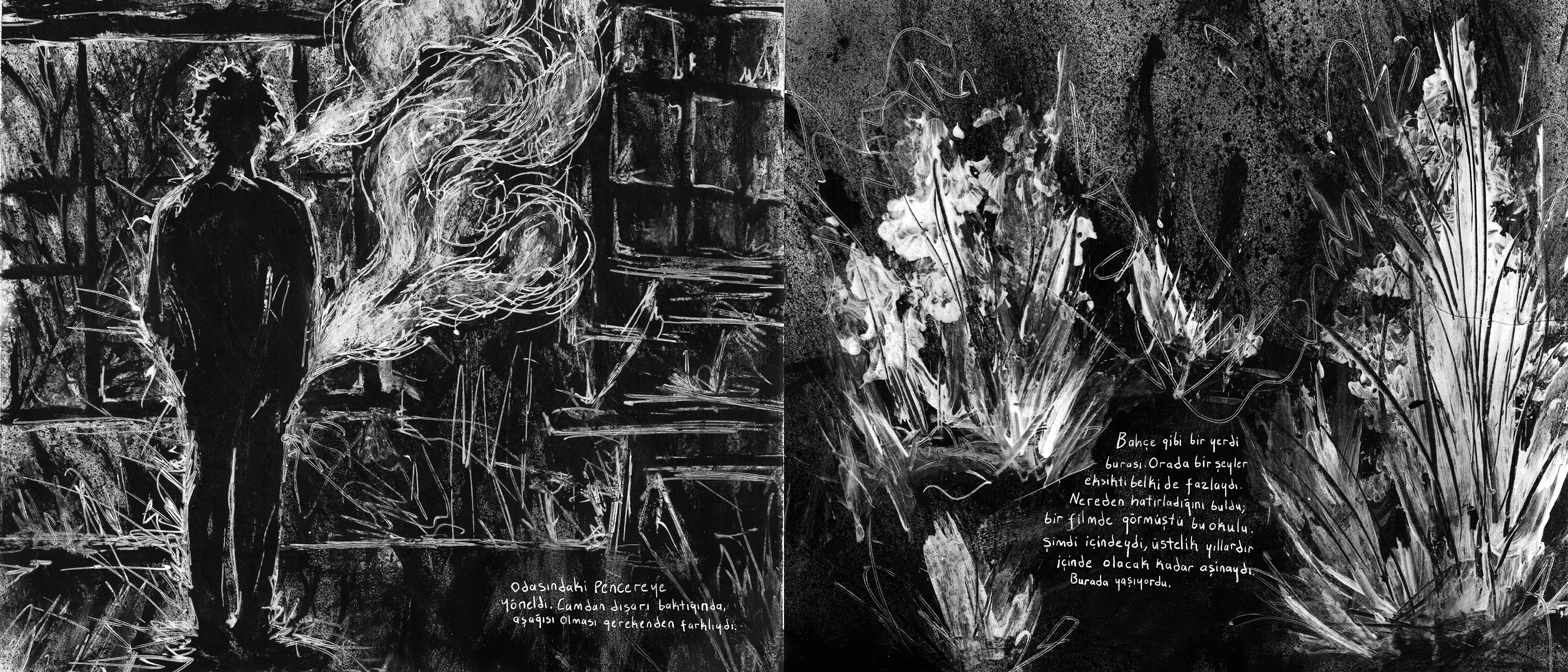
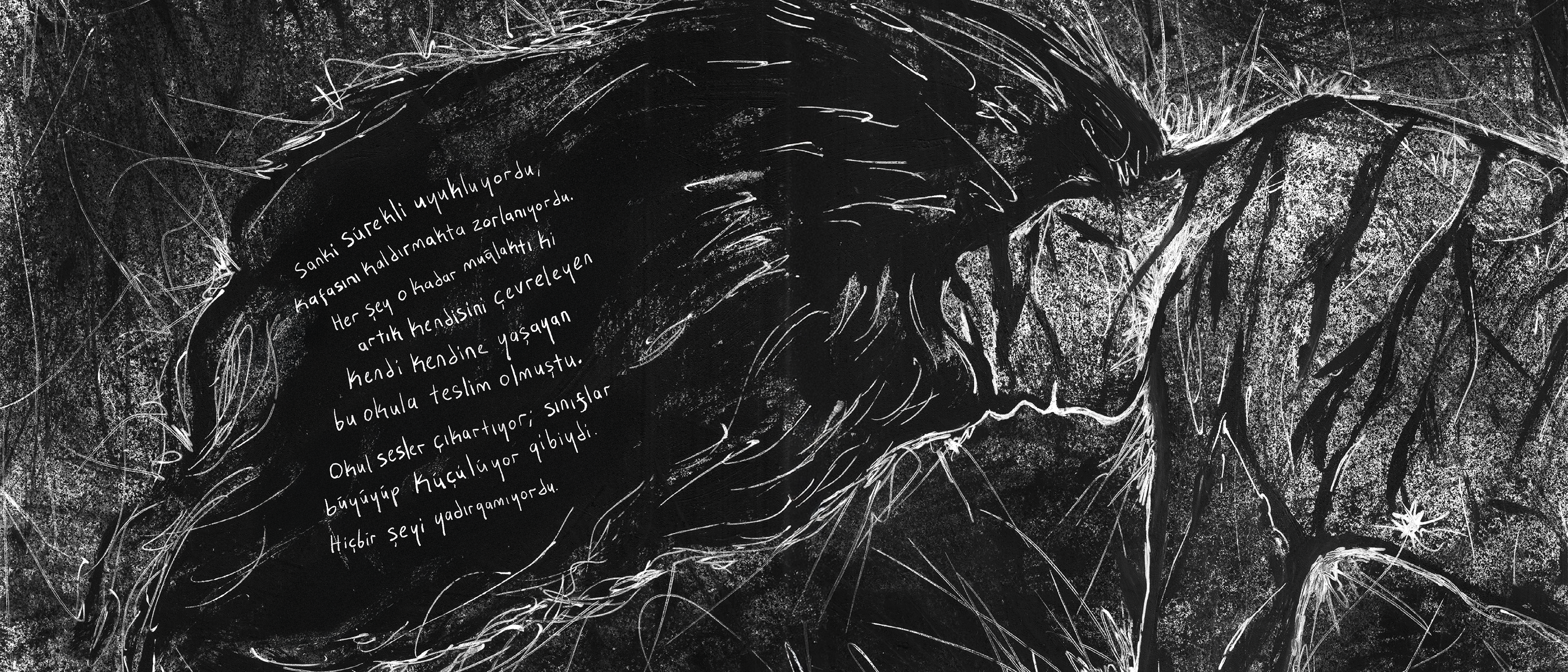
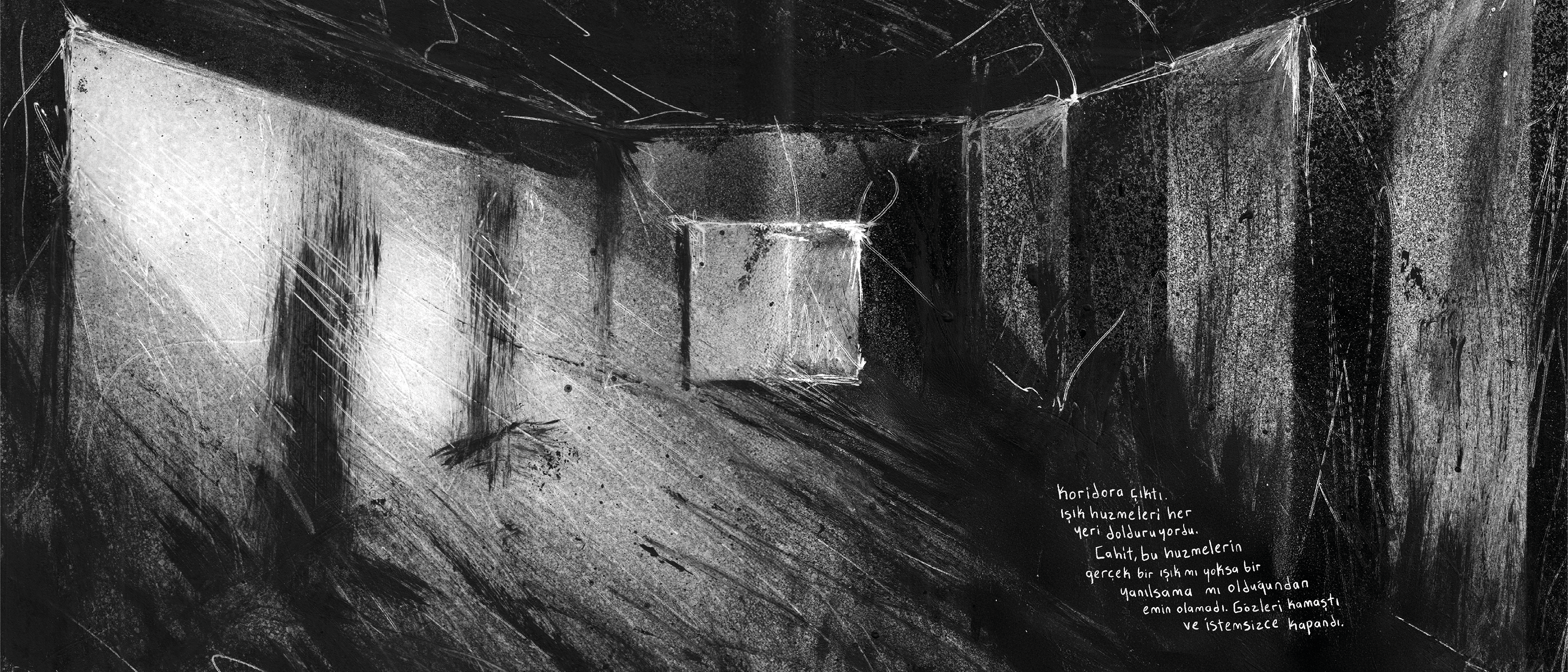
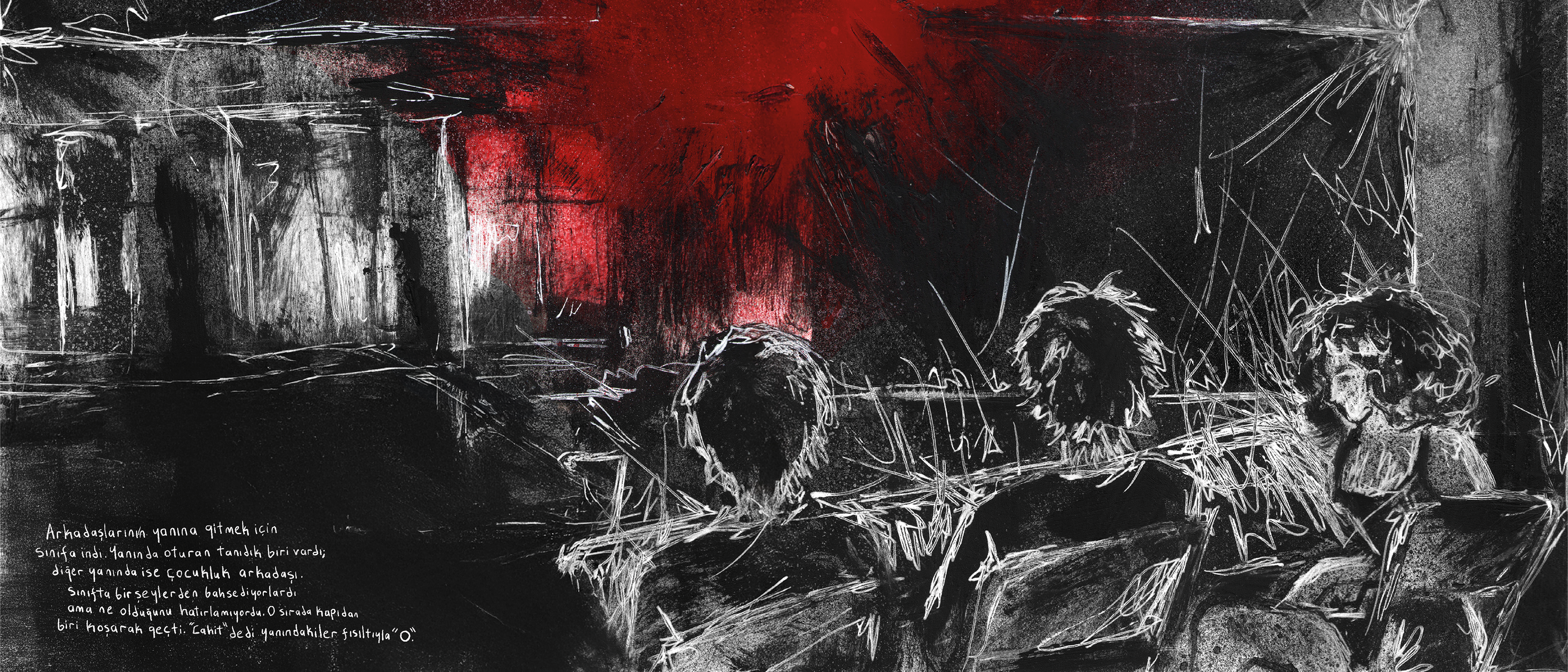
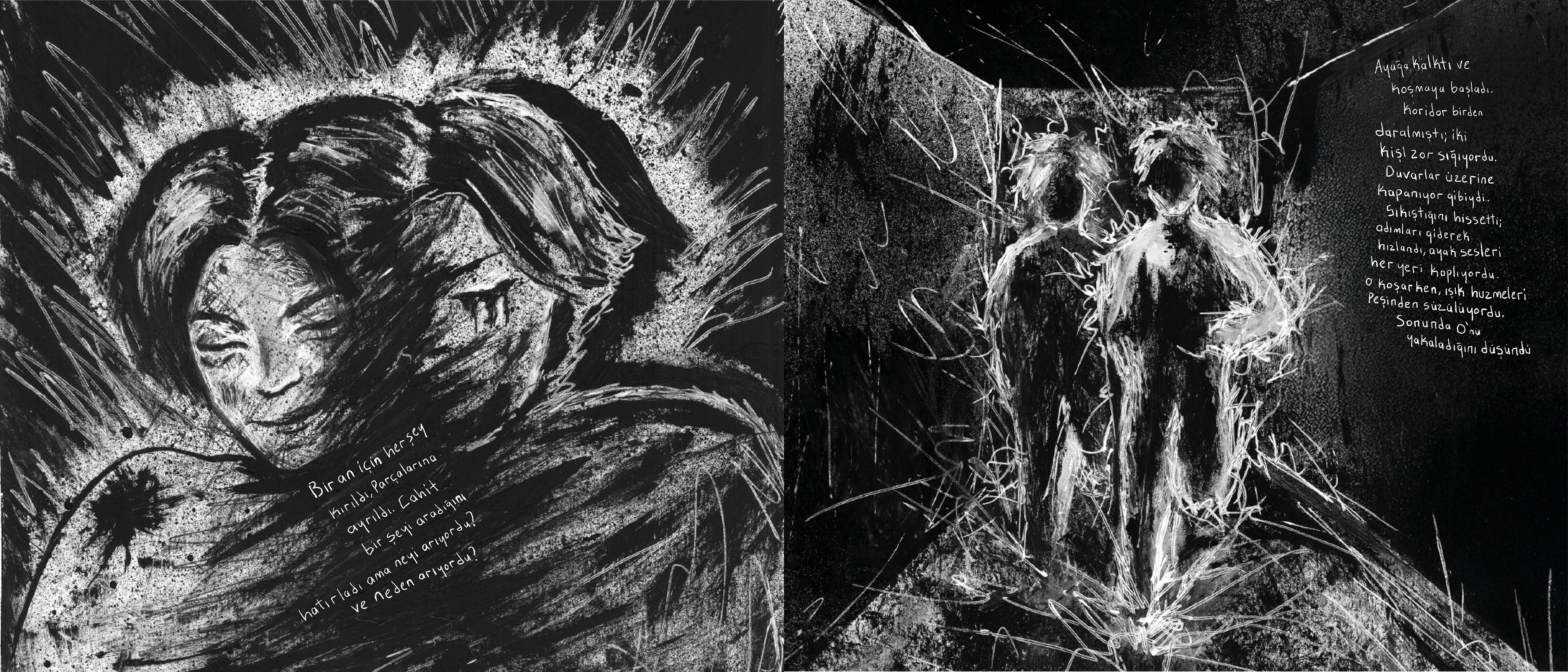
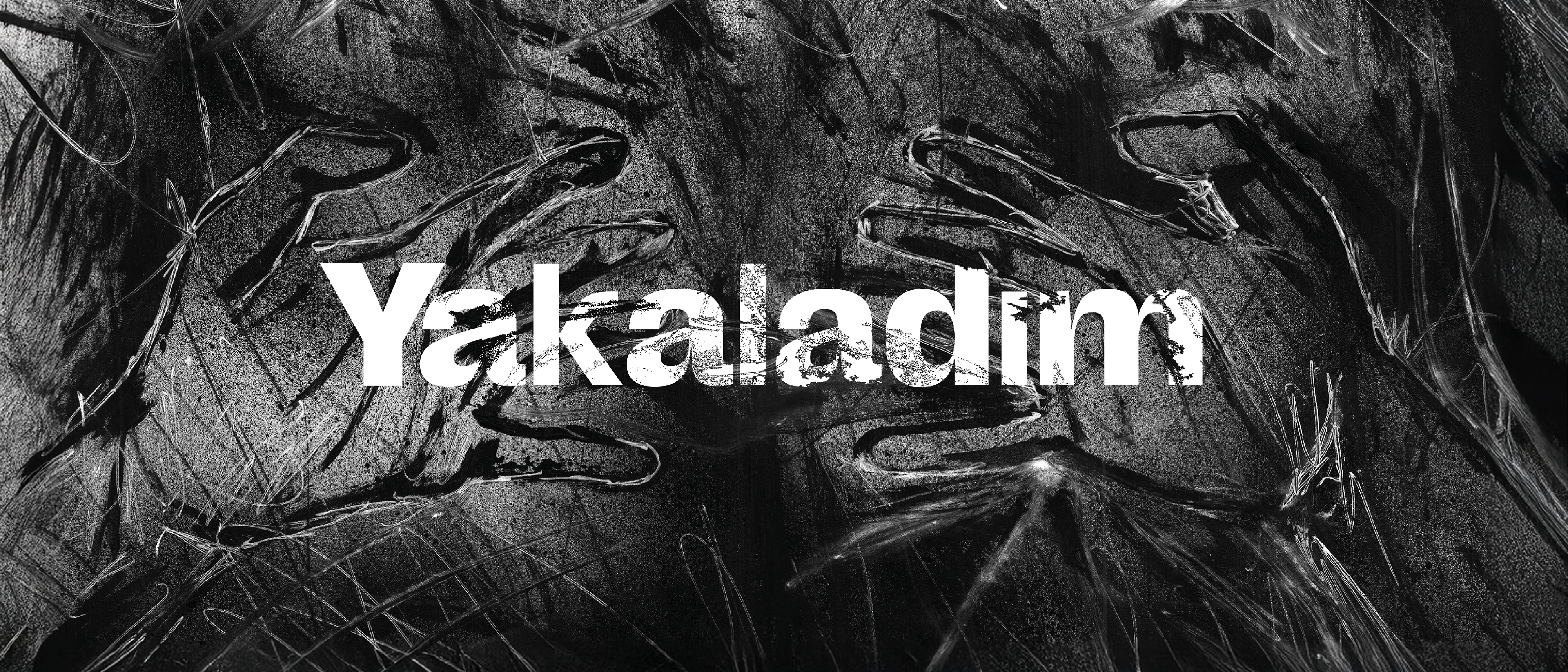
Film
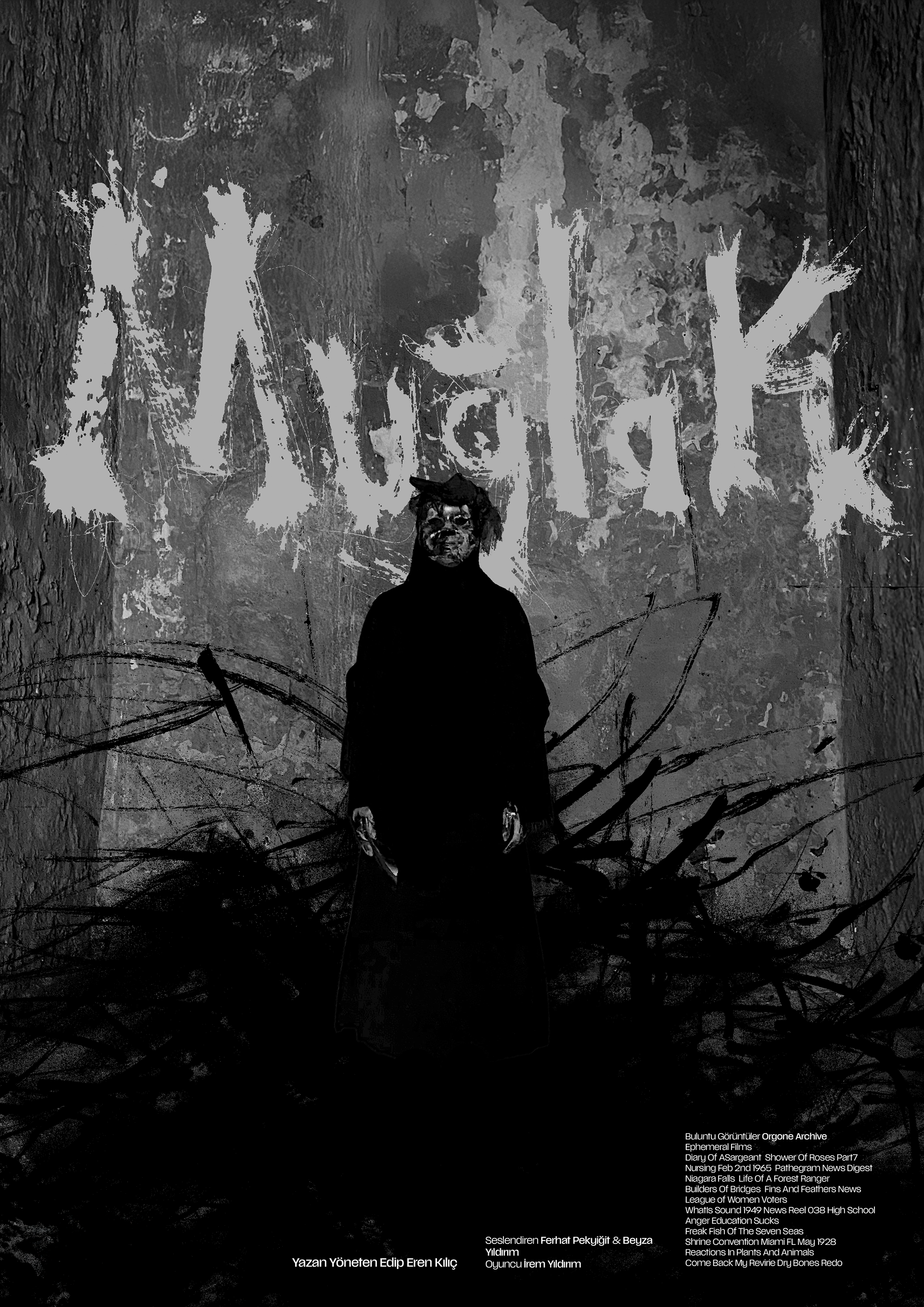
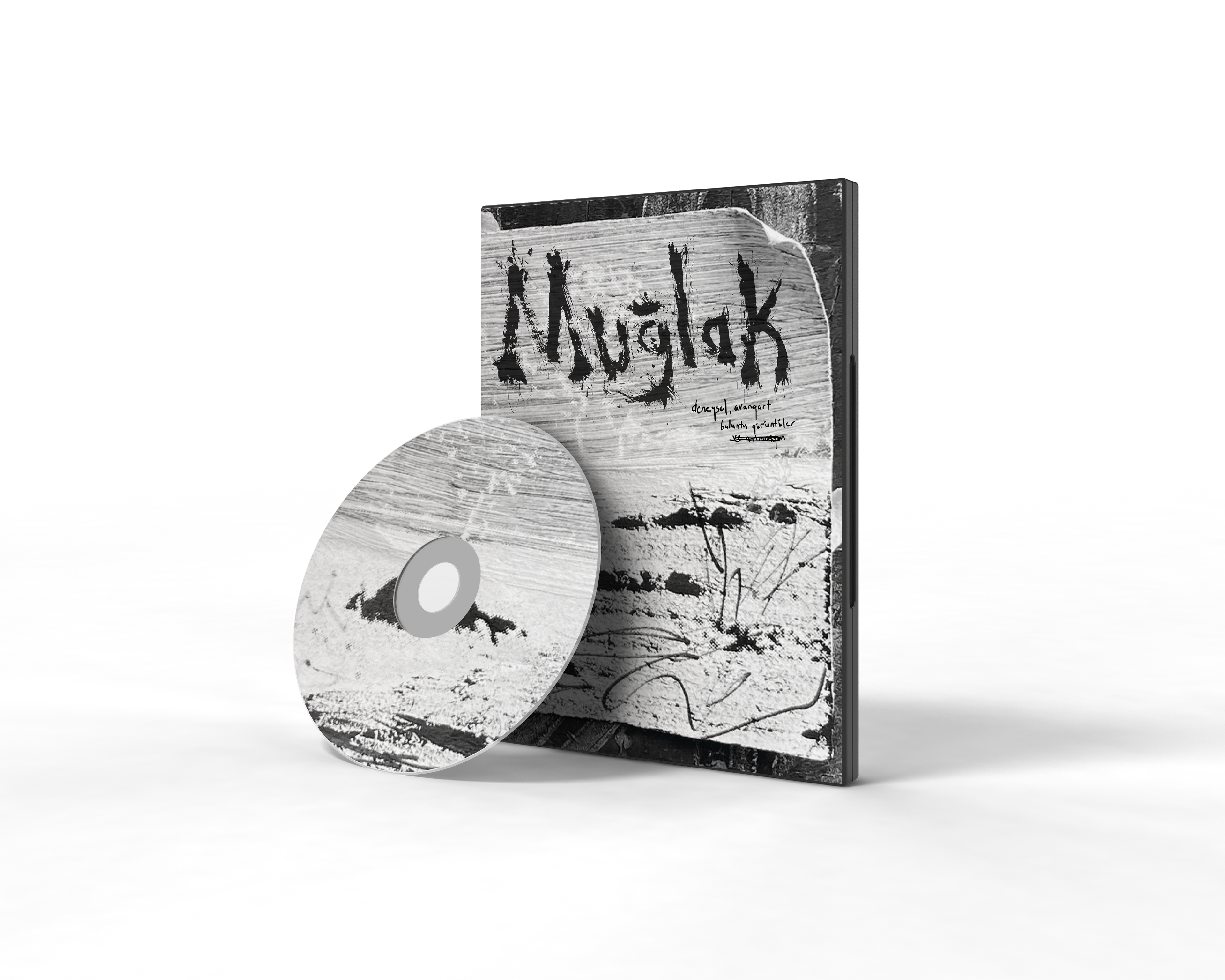
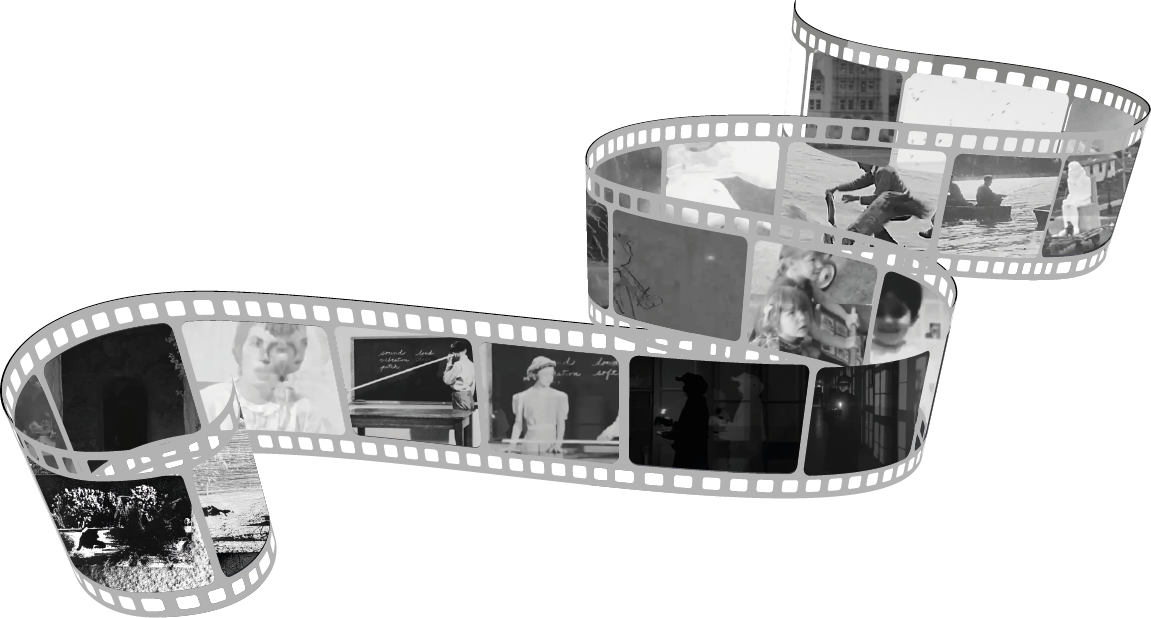
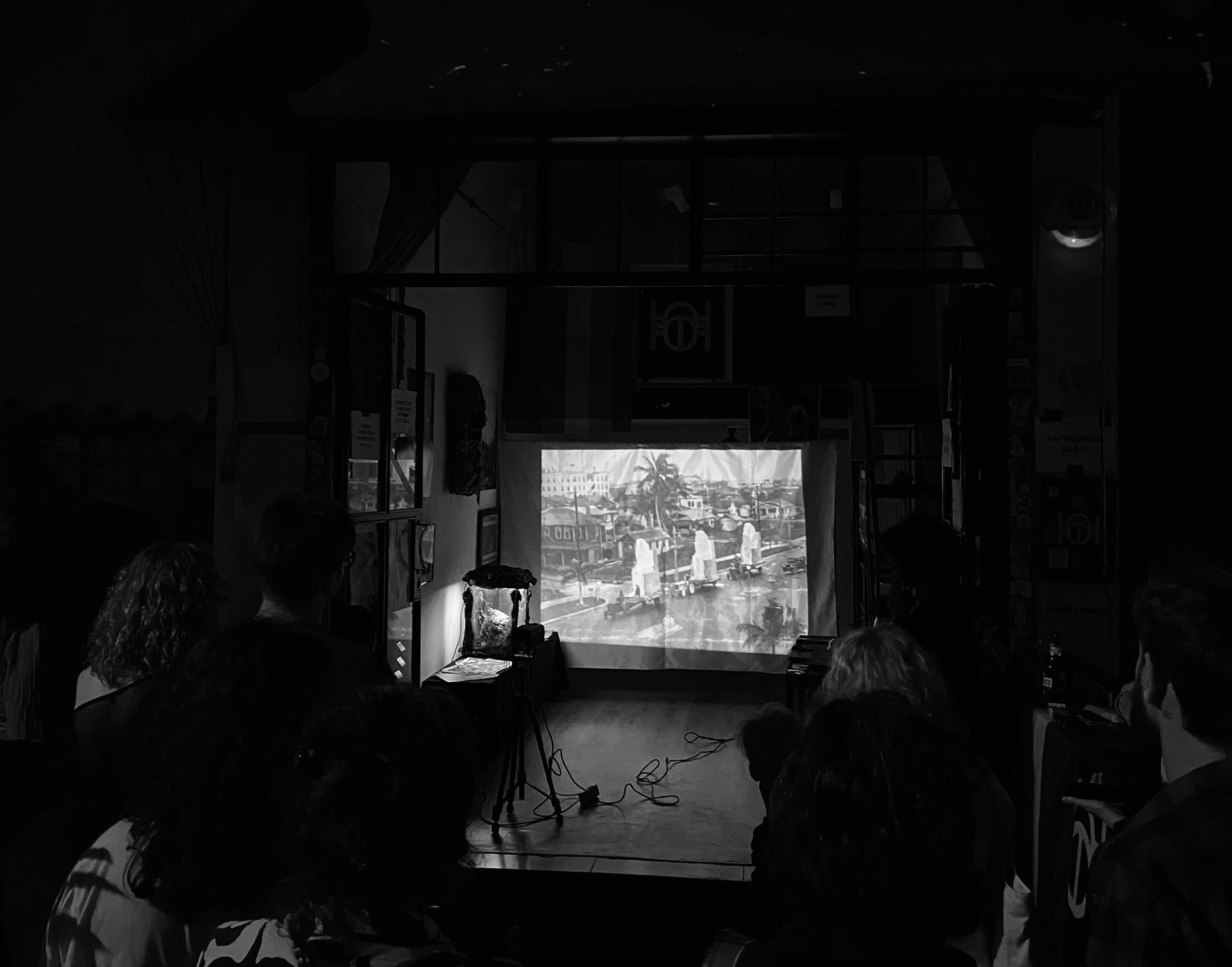
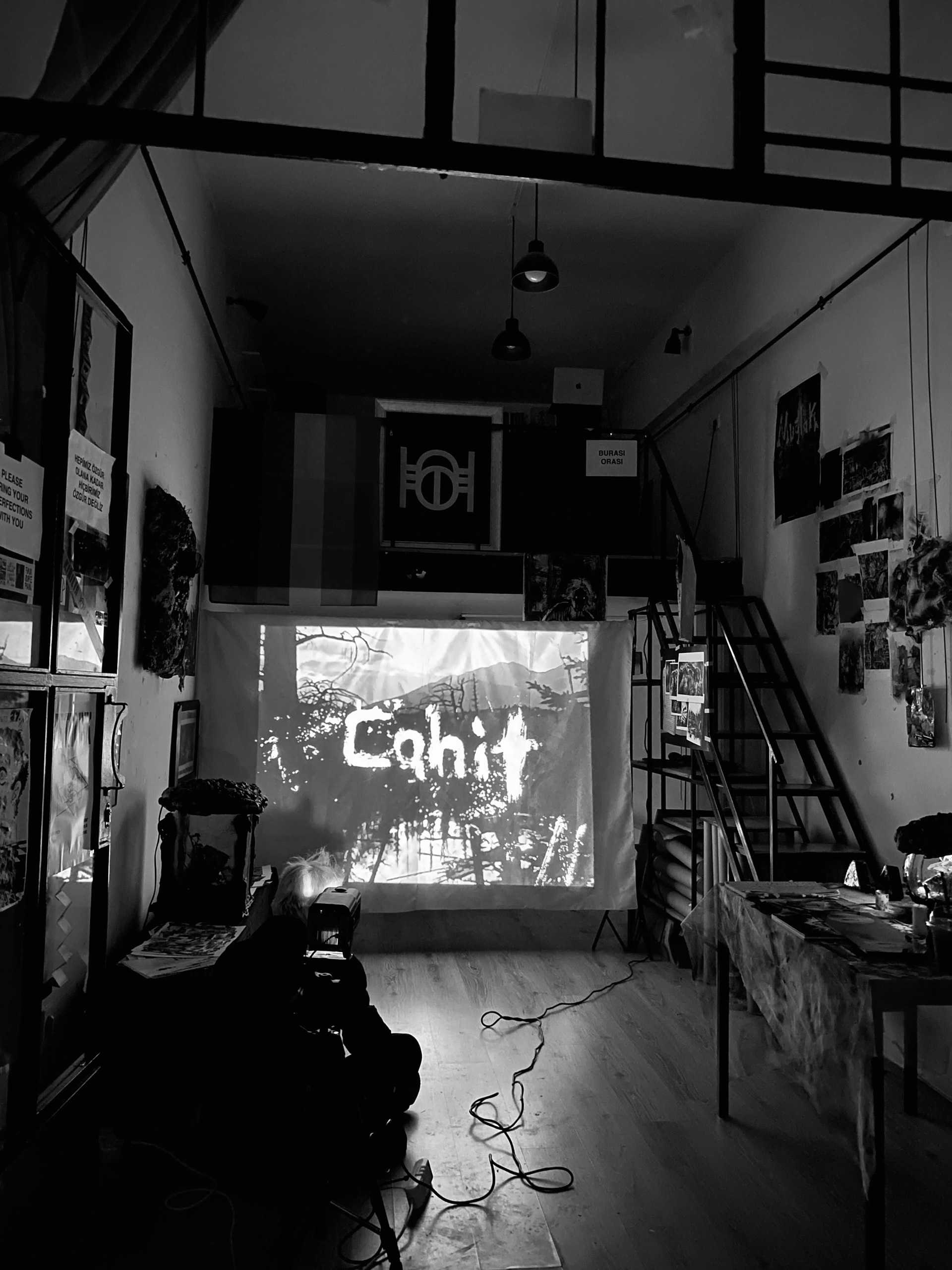
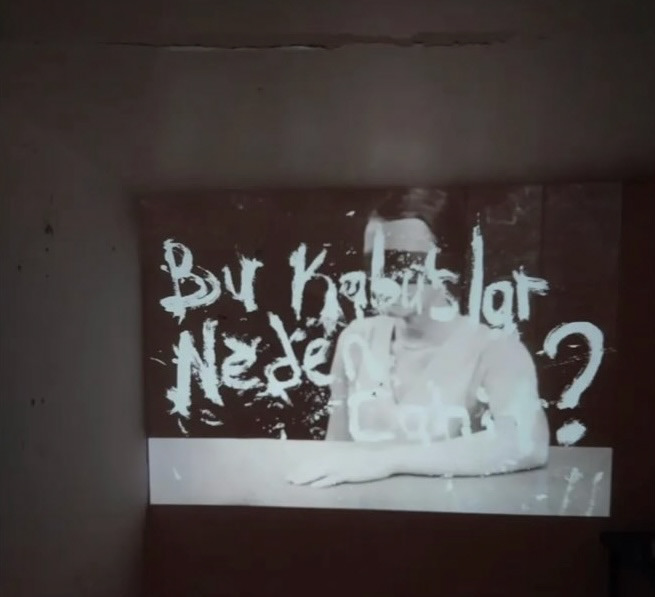
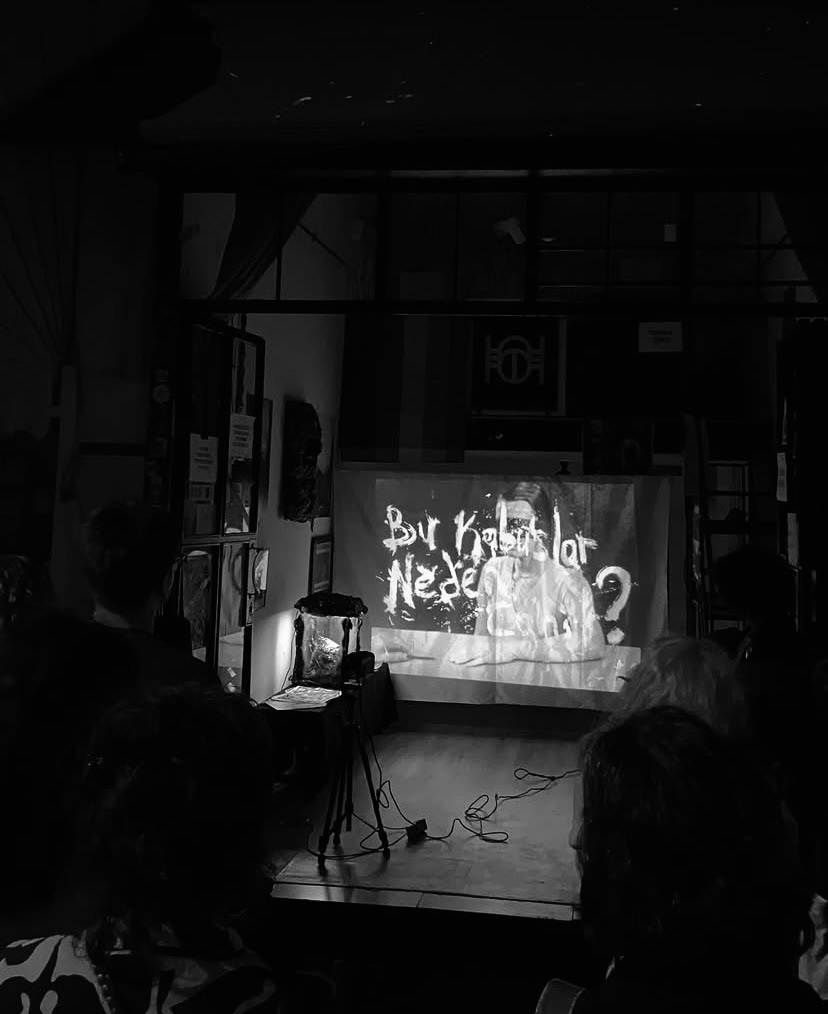
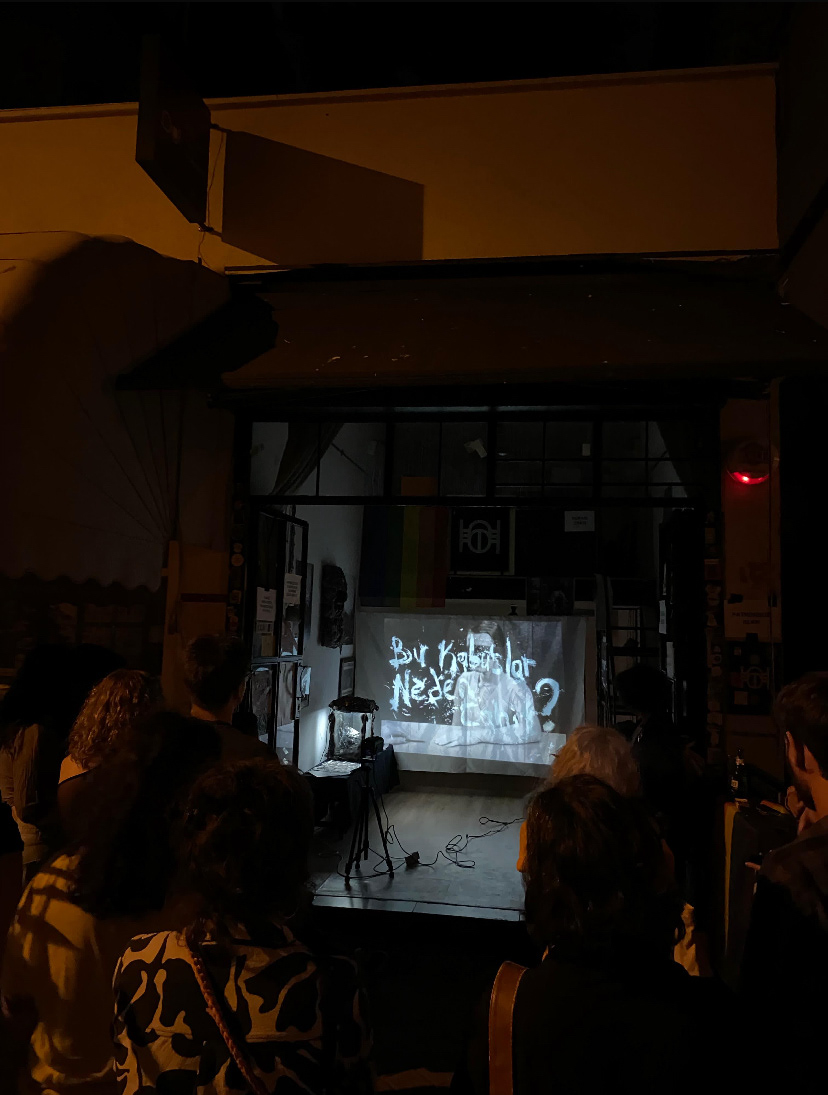
In the film component of the project, I adopted the ambiguous nature of dreams and their timeless flow as a narrative strategy. The main structure of the film is based on the idea of a dream montage. Found footage, personal recordings, and archival scenes are brought together not to tell a cohesive story, but to create a fragmented and fluid perceptual space. This approach invites the viewer to wander through the multiple and uncertain layers of the dream, rather than remaining fixed within a single temporal plane.
The sound design in the film was conceived as an element that reinforces the sense of fragmentation in the images and disrupts the linear progression of time. Moments of silence, echoes, and abrupt transitions were used to transform the viewer’s experience into something resembling a dream state.
The selection and sequencing of the found footage point to the incomplete and fragmented nature of memory. Like a dream, the film proposes a narrative space that is never fully resolved and constantly evolving. In this way, as in the rest of the project, the film was conceived as a gesture that summons an uncertain story from the darkness into the “here and now.”

Exhibition, Installations, and Other Works
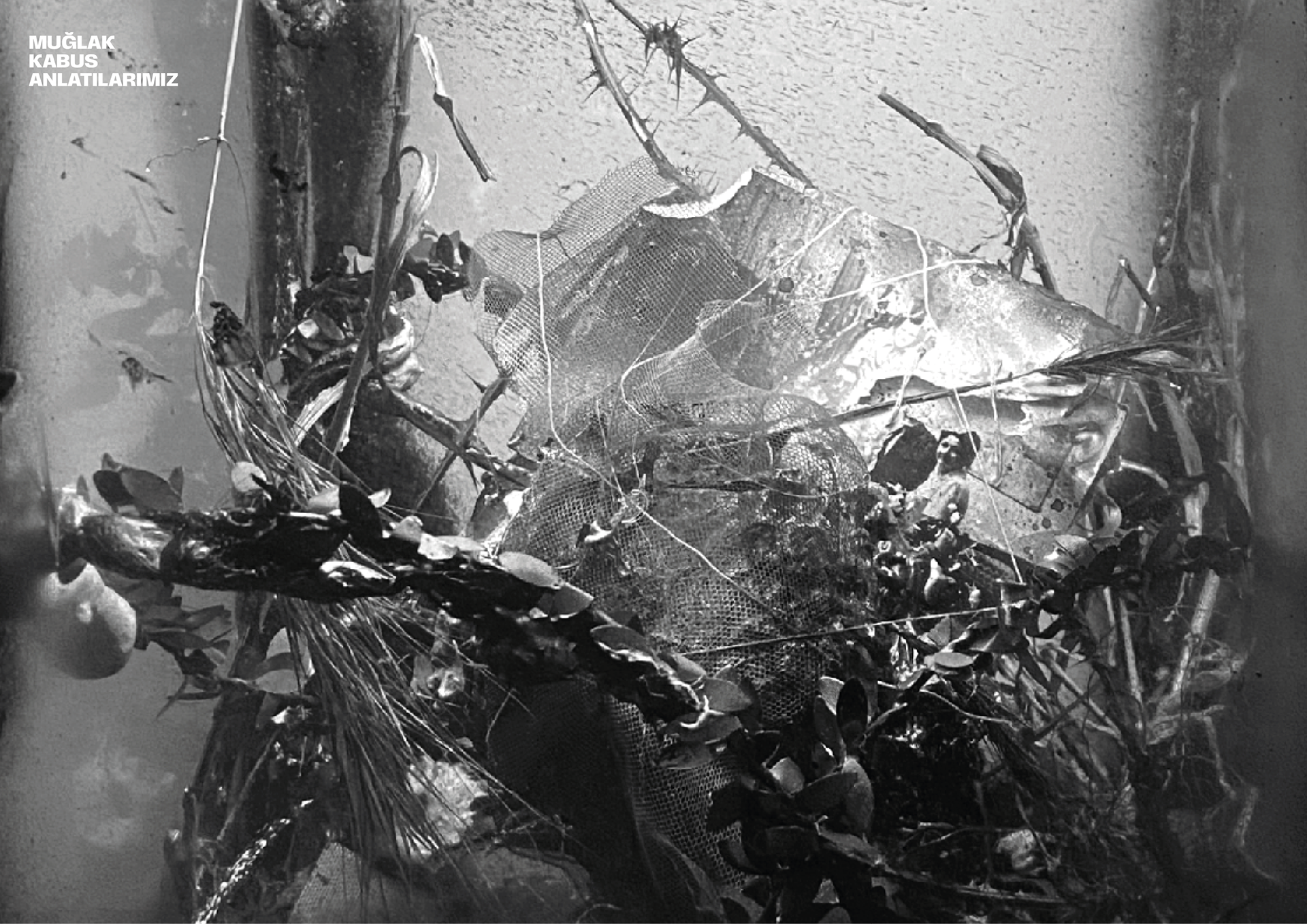
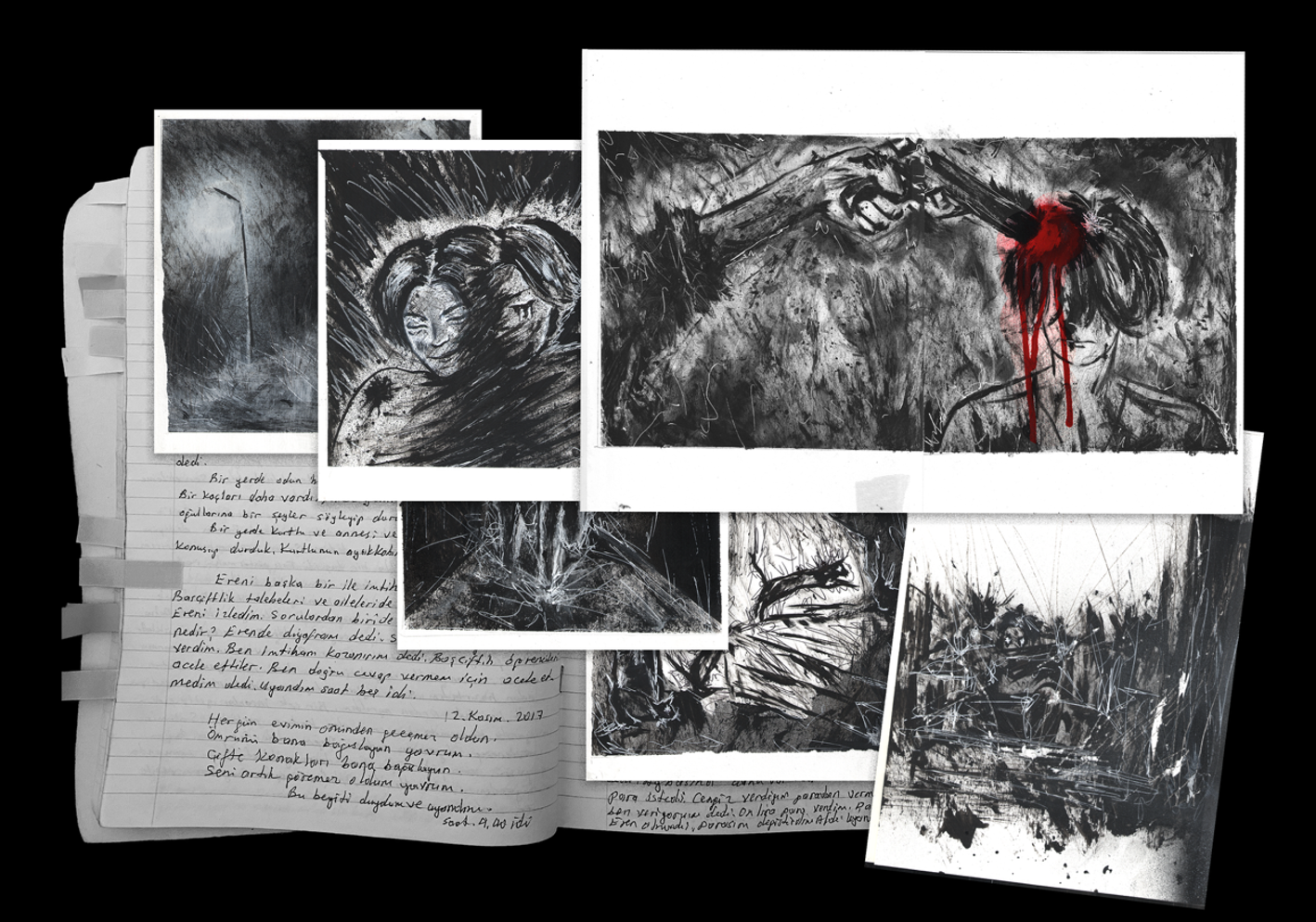
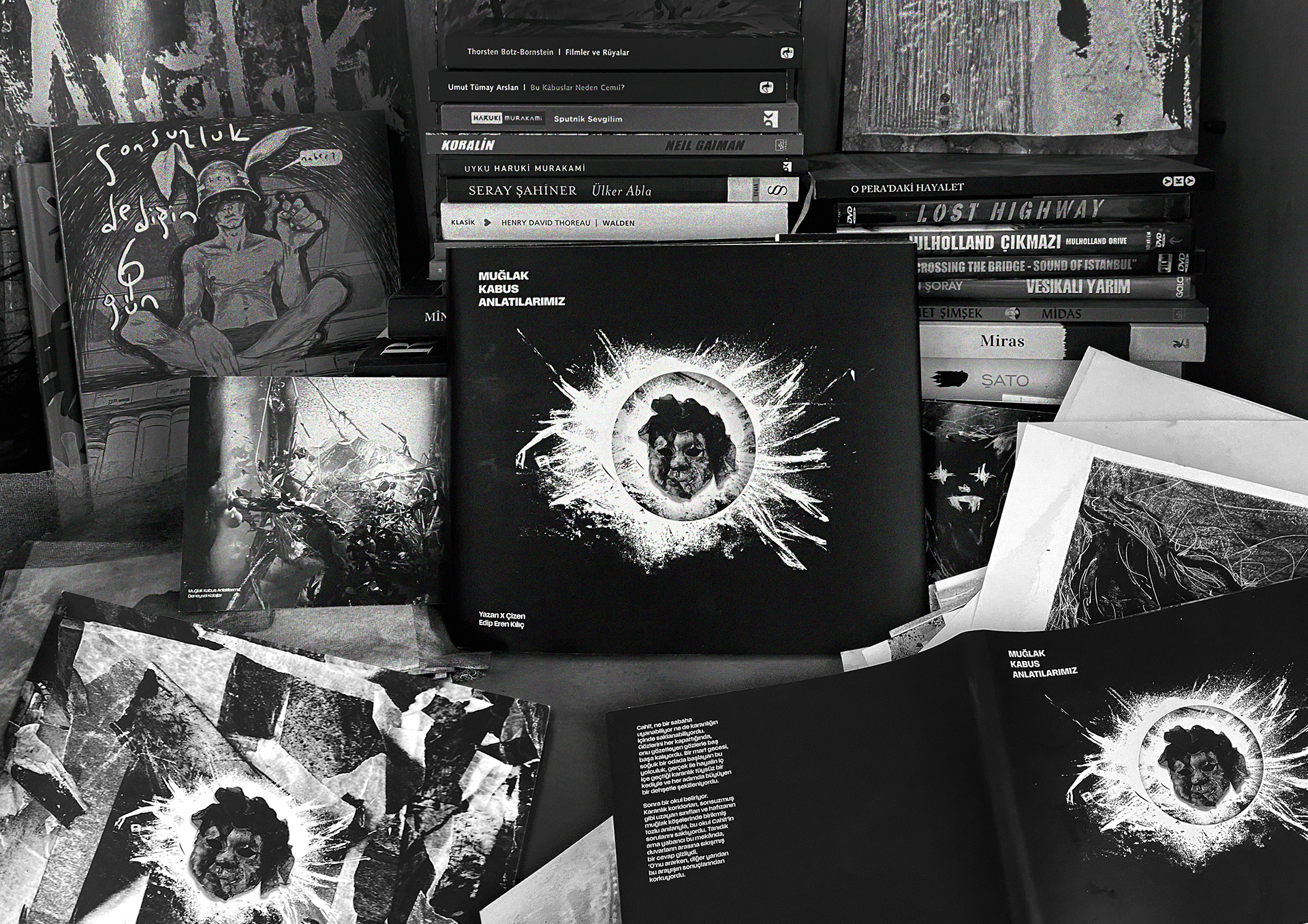
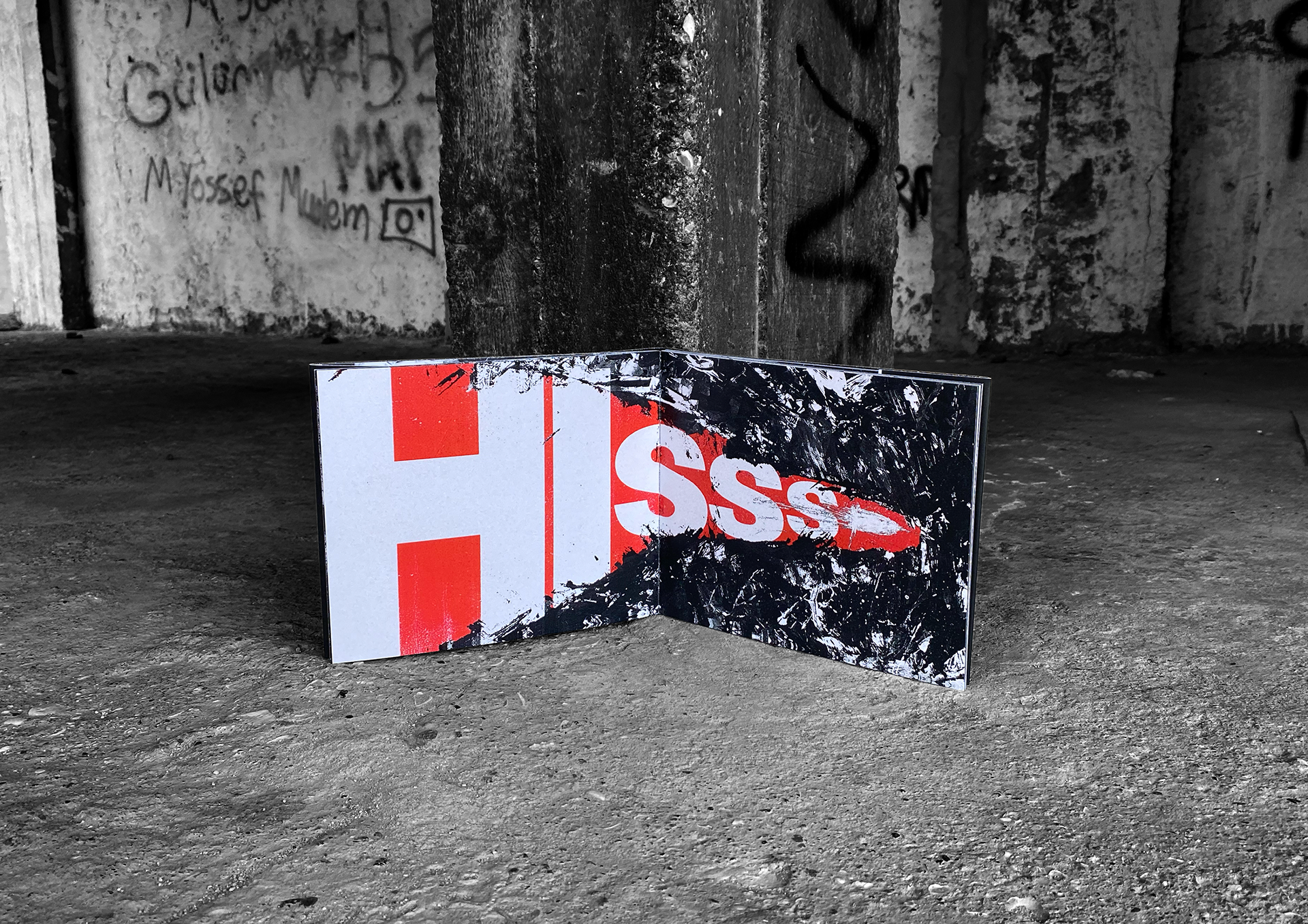
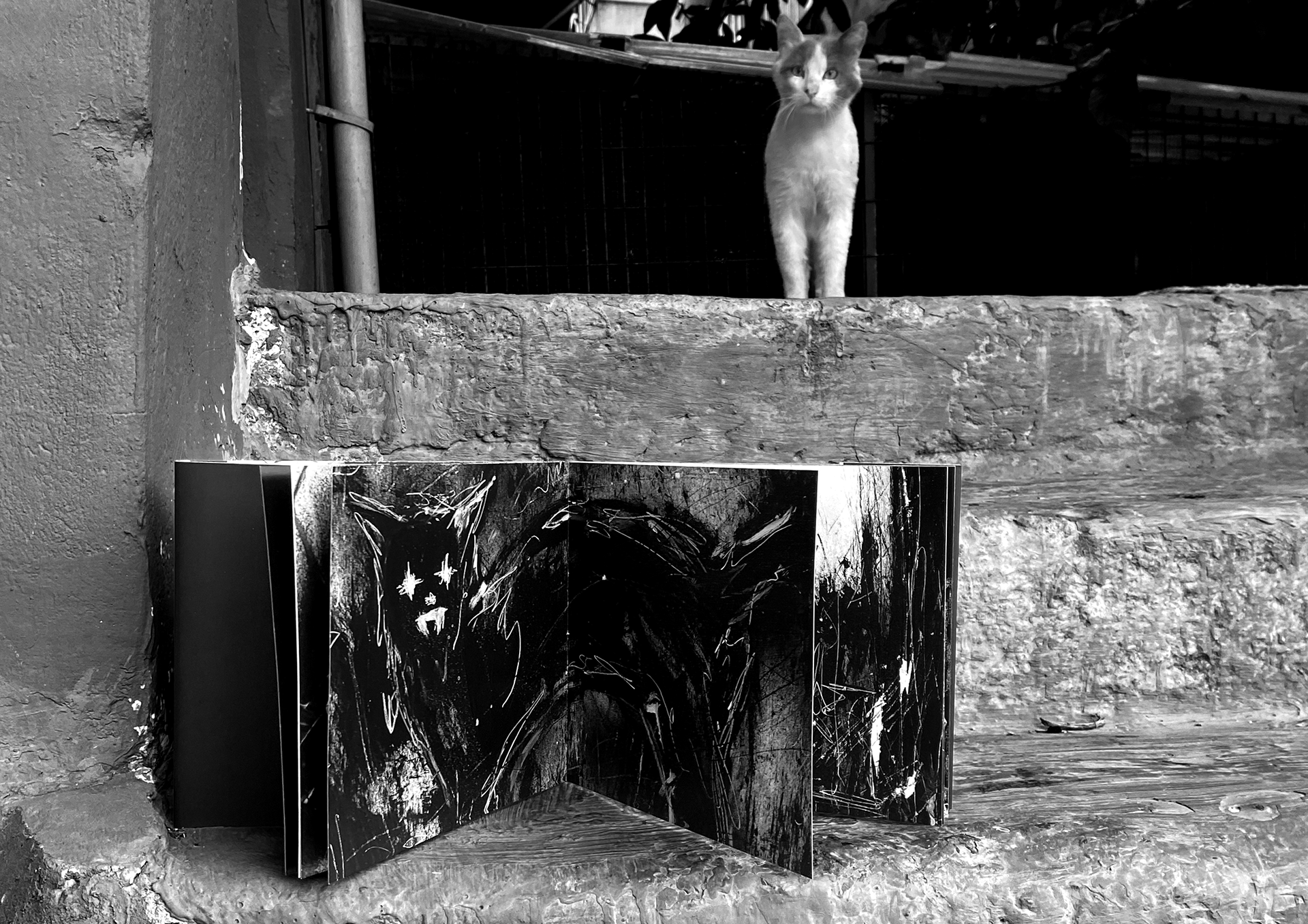
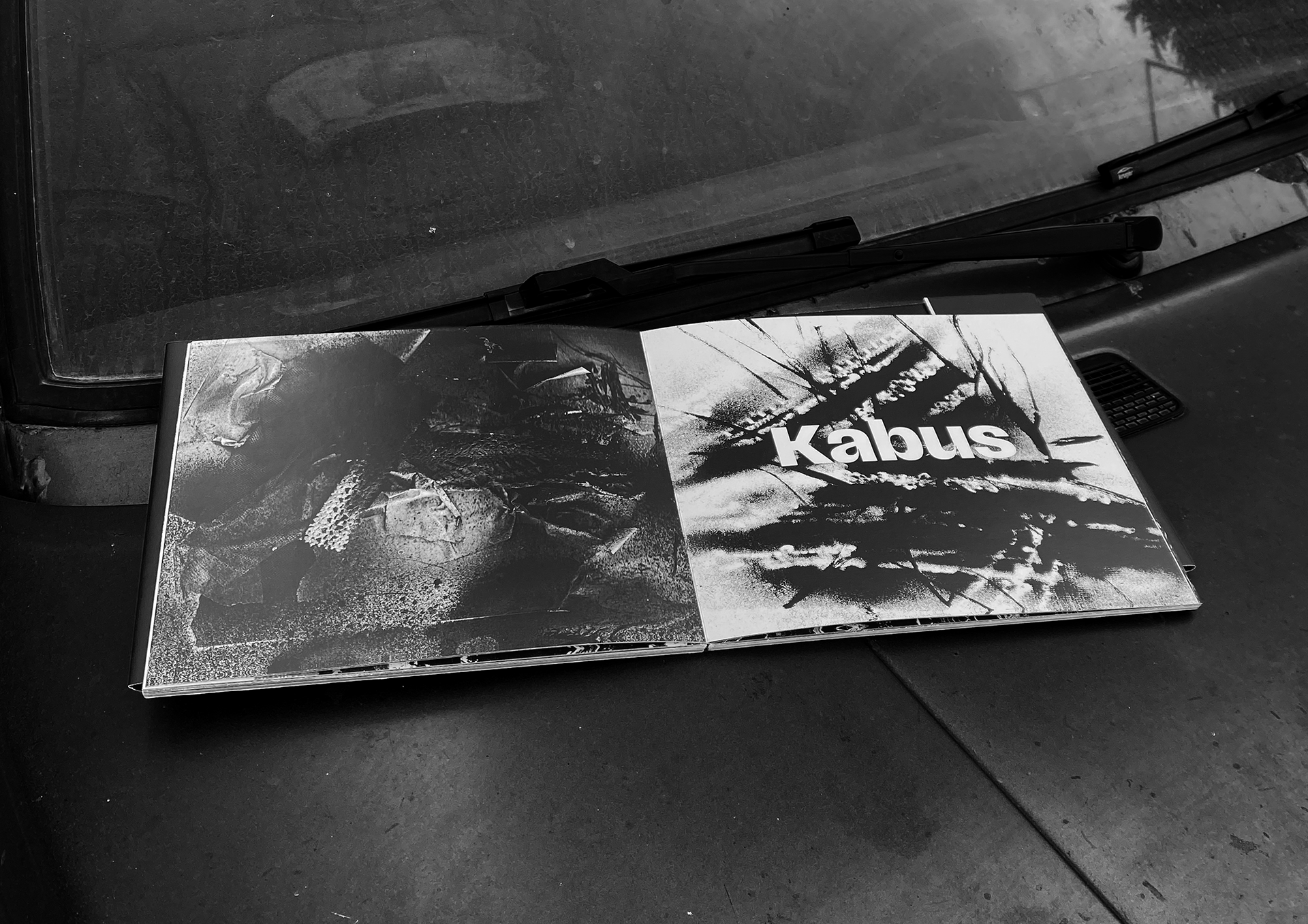
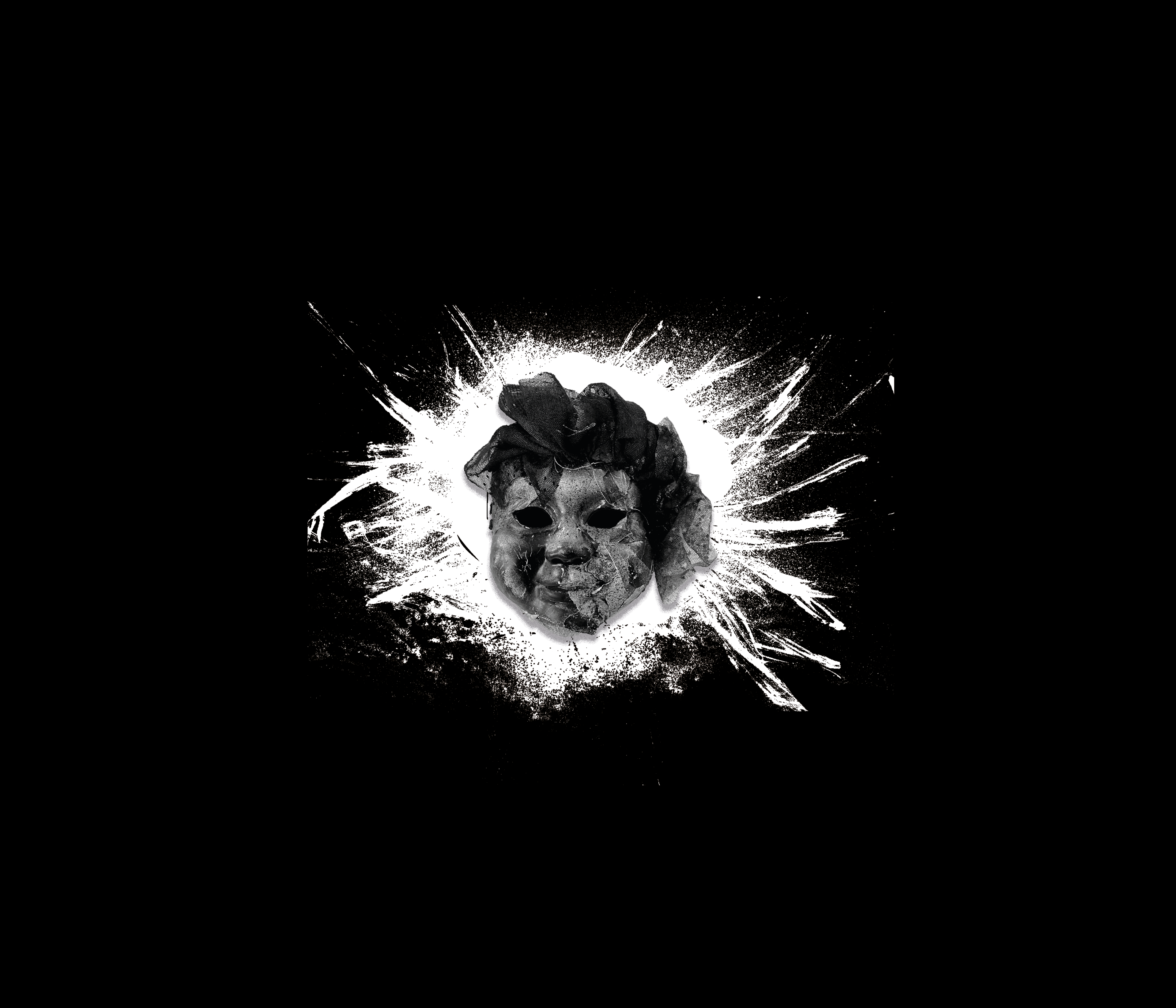
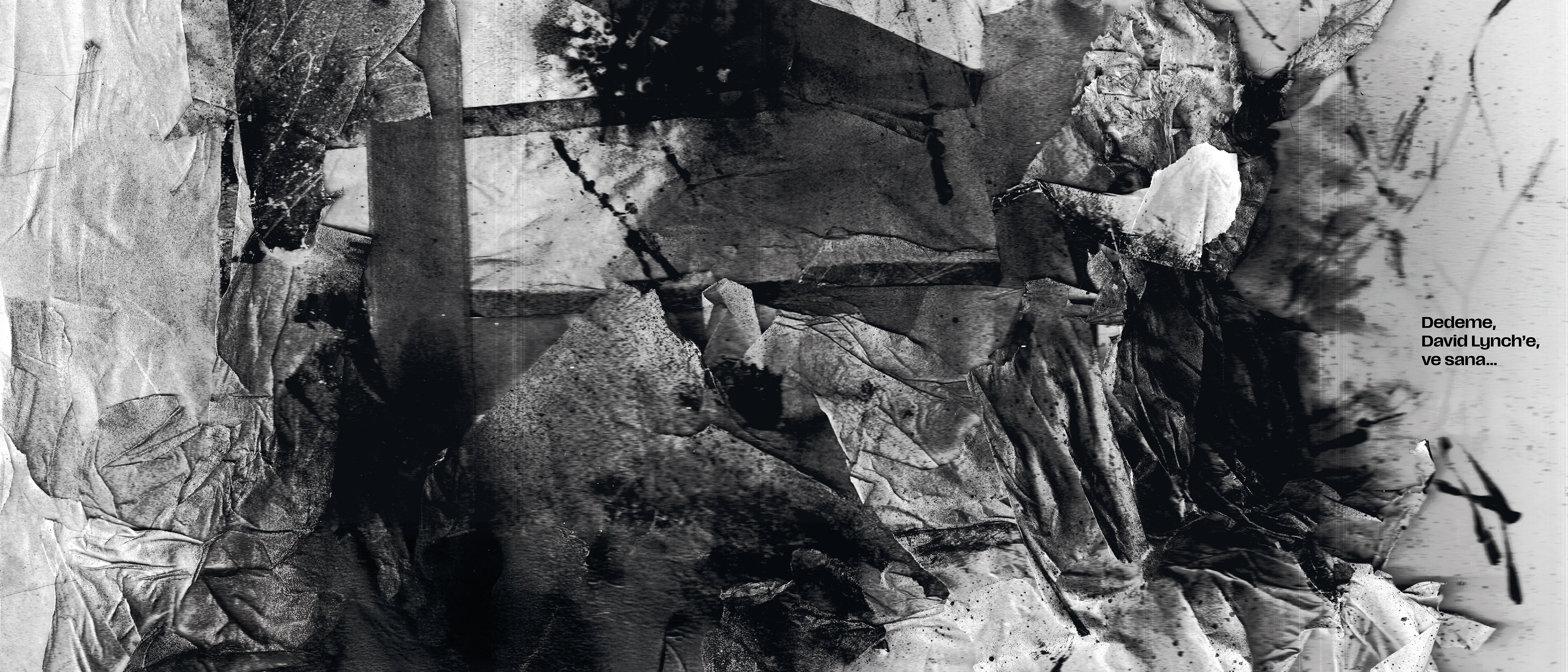
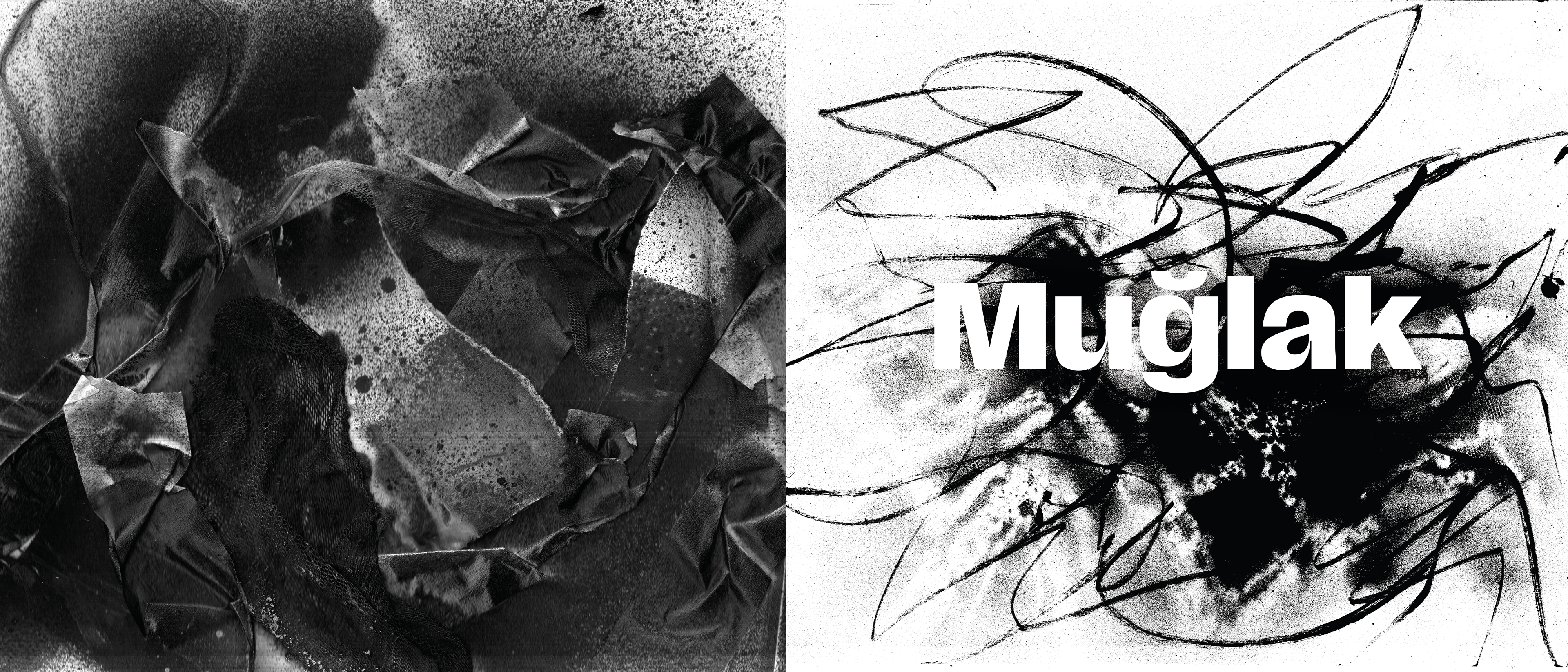
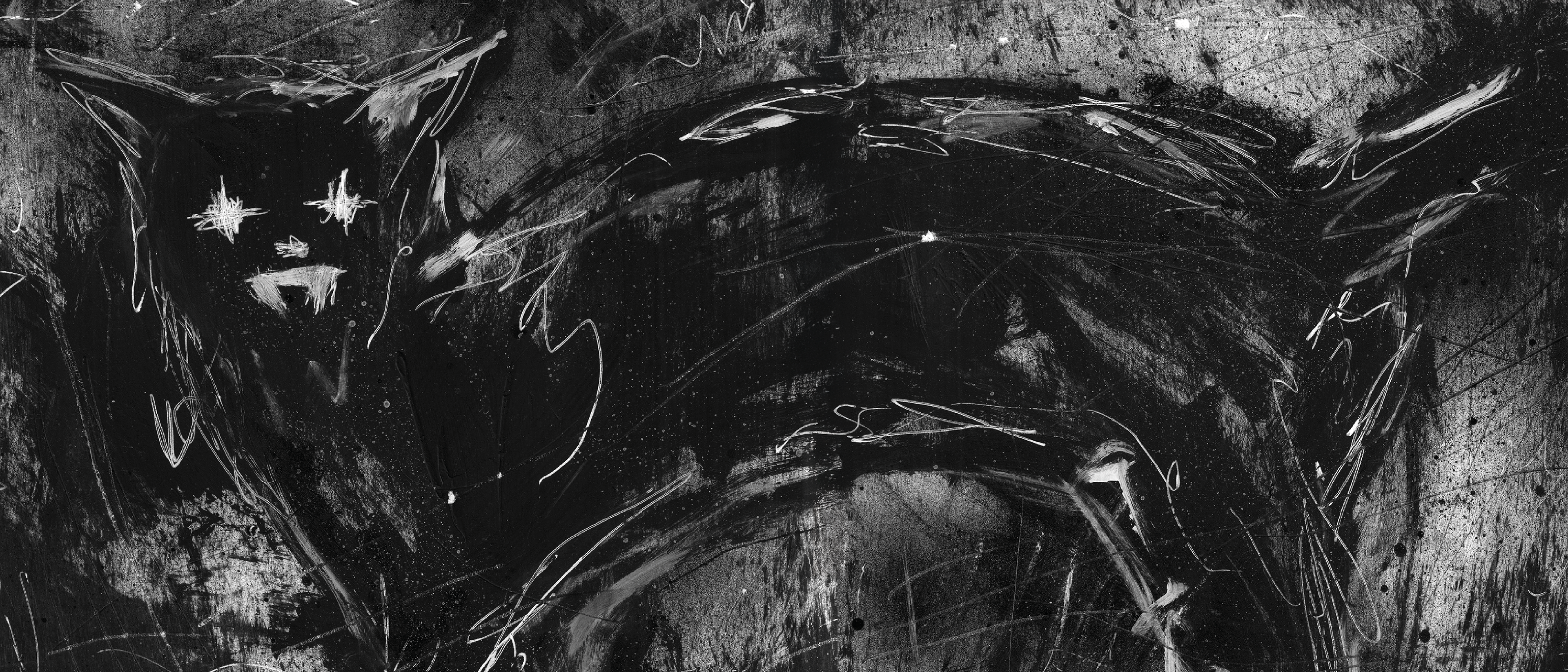
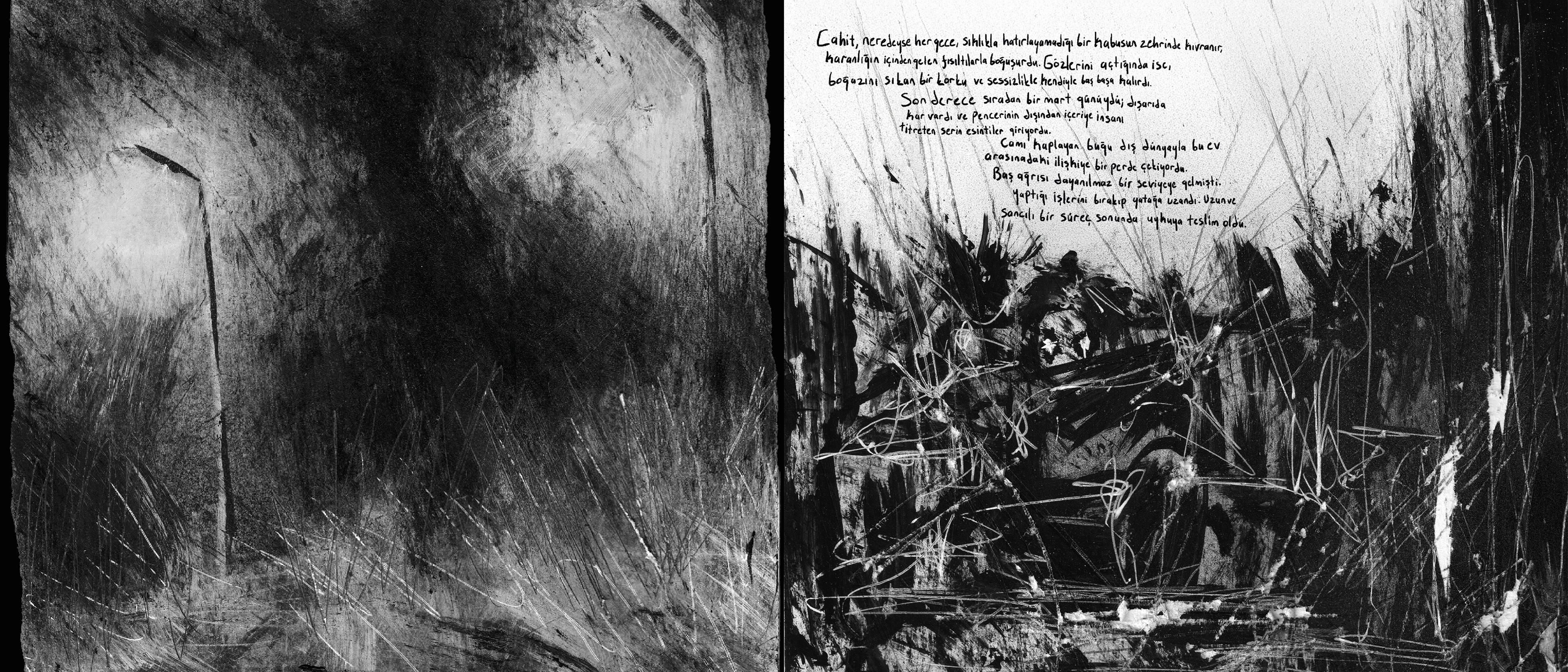
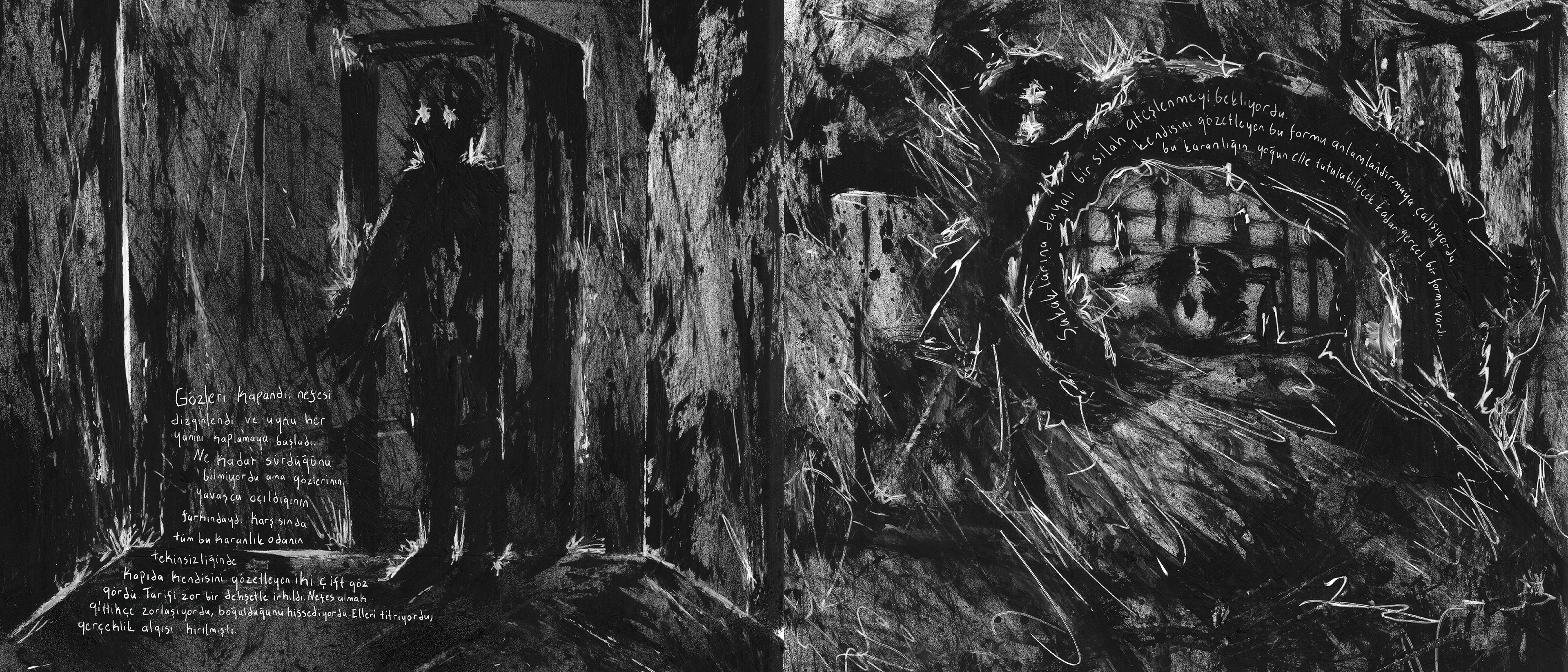
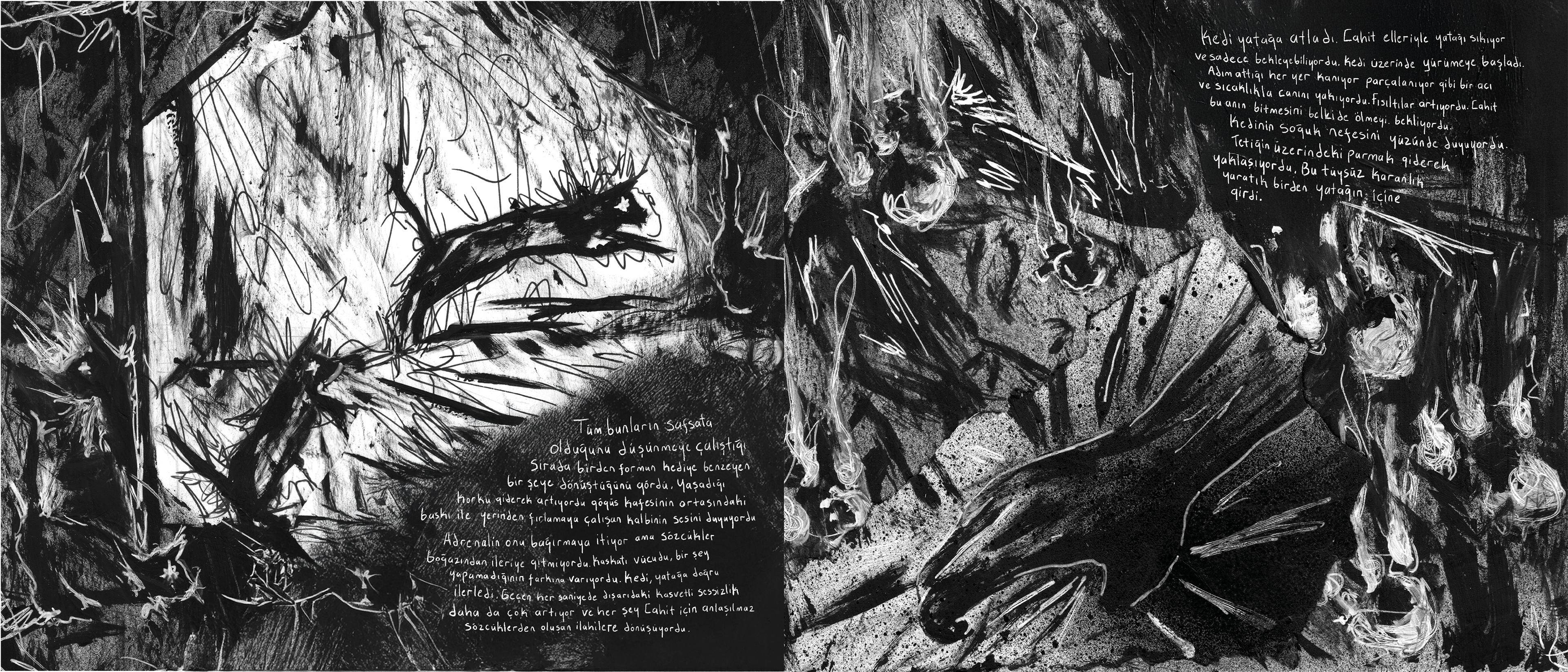
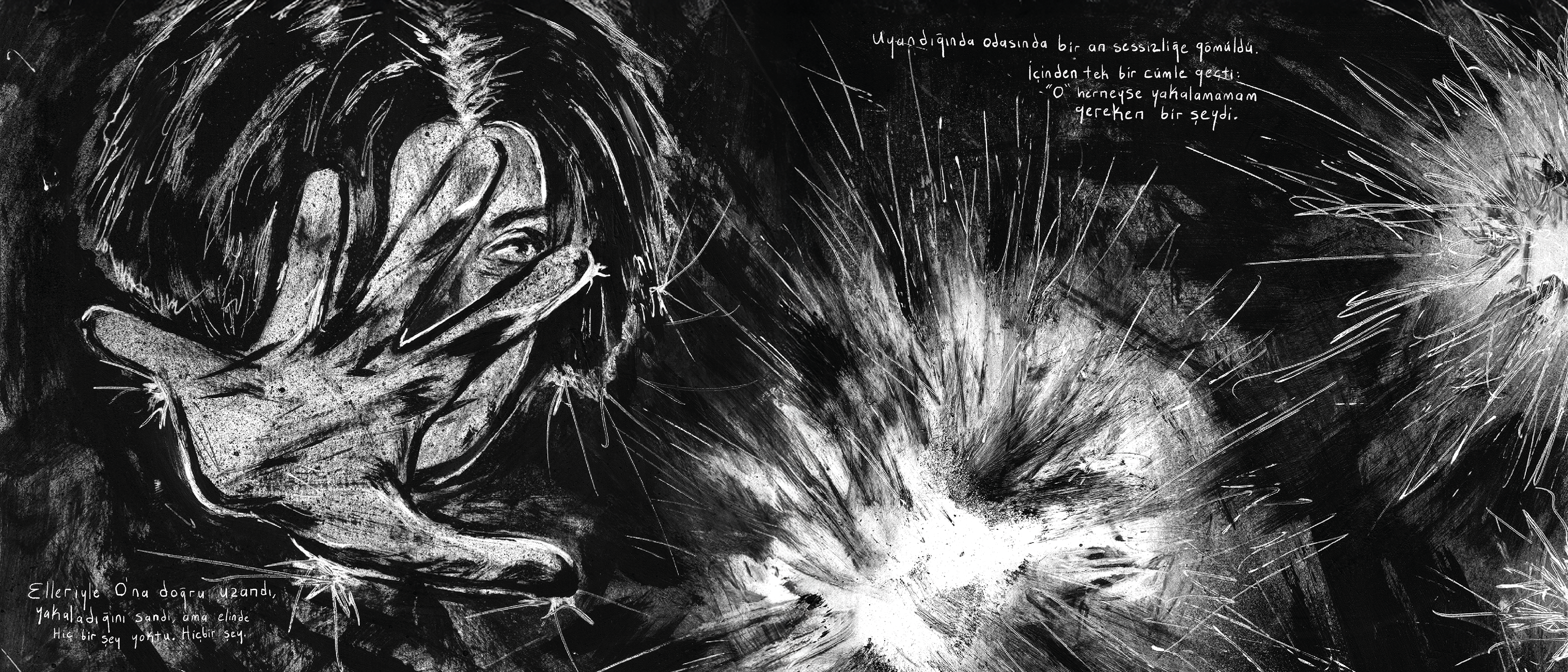
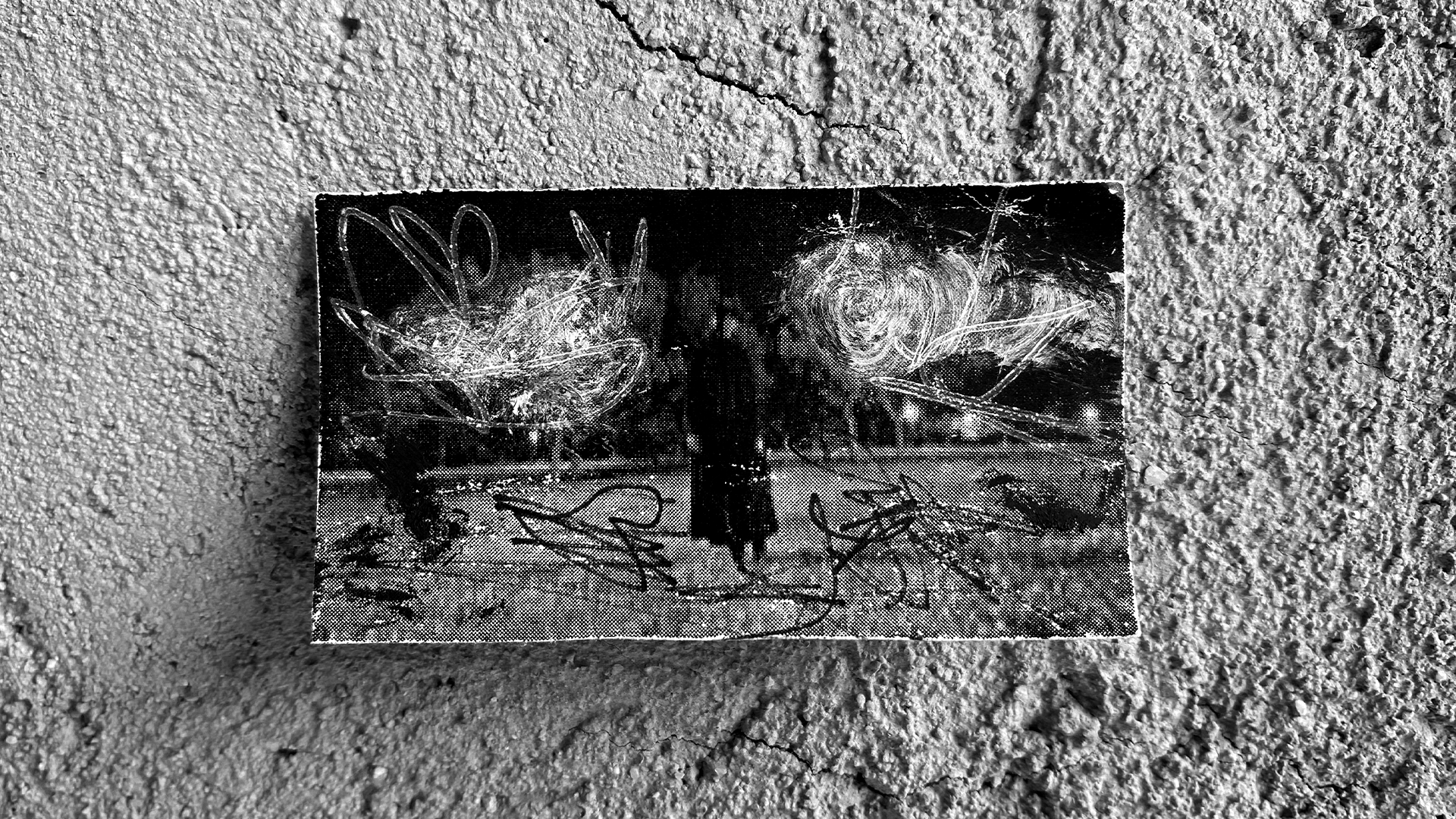
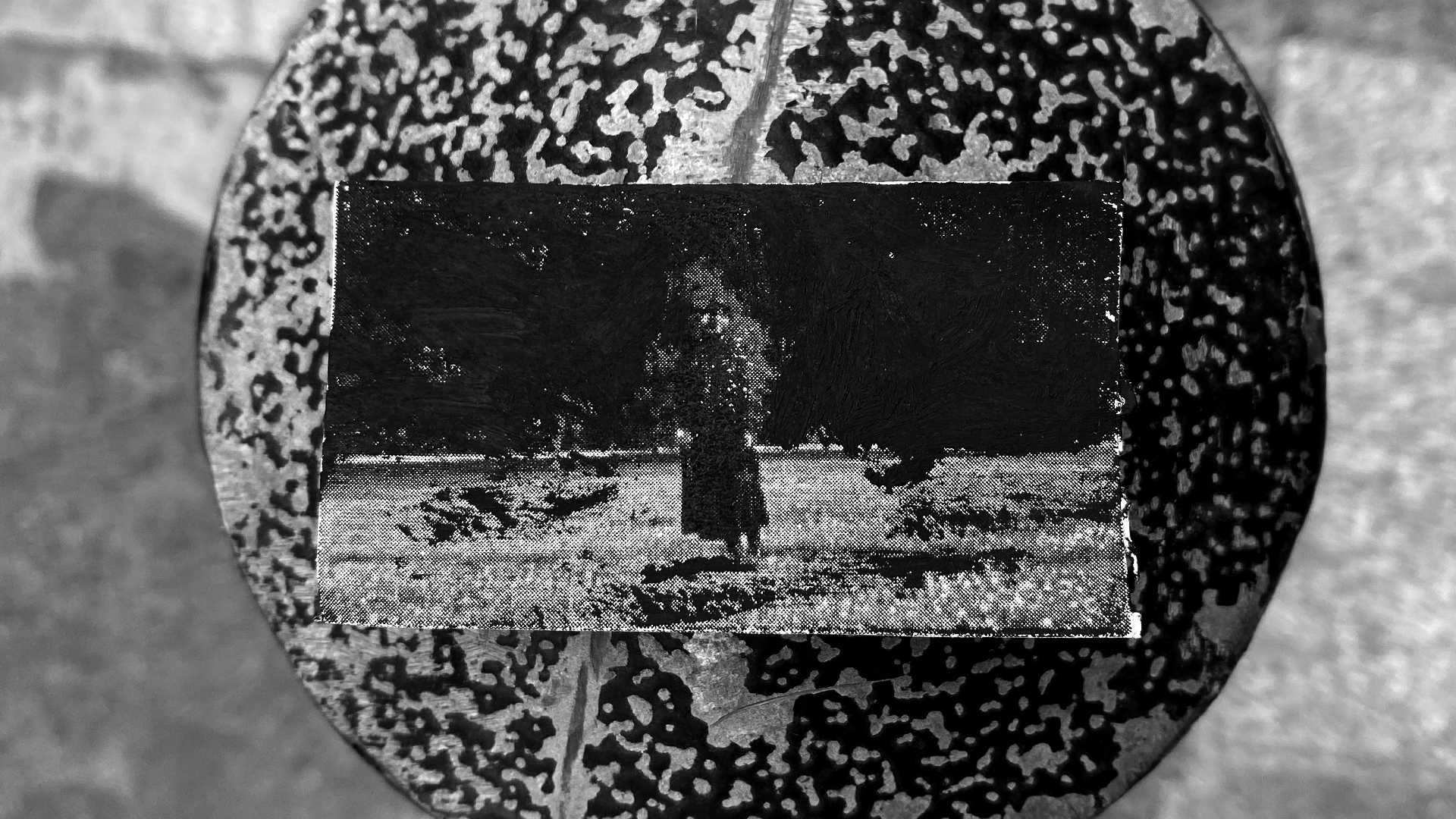
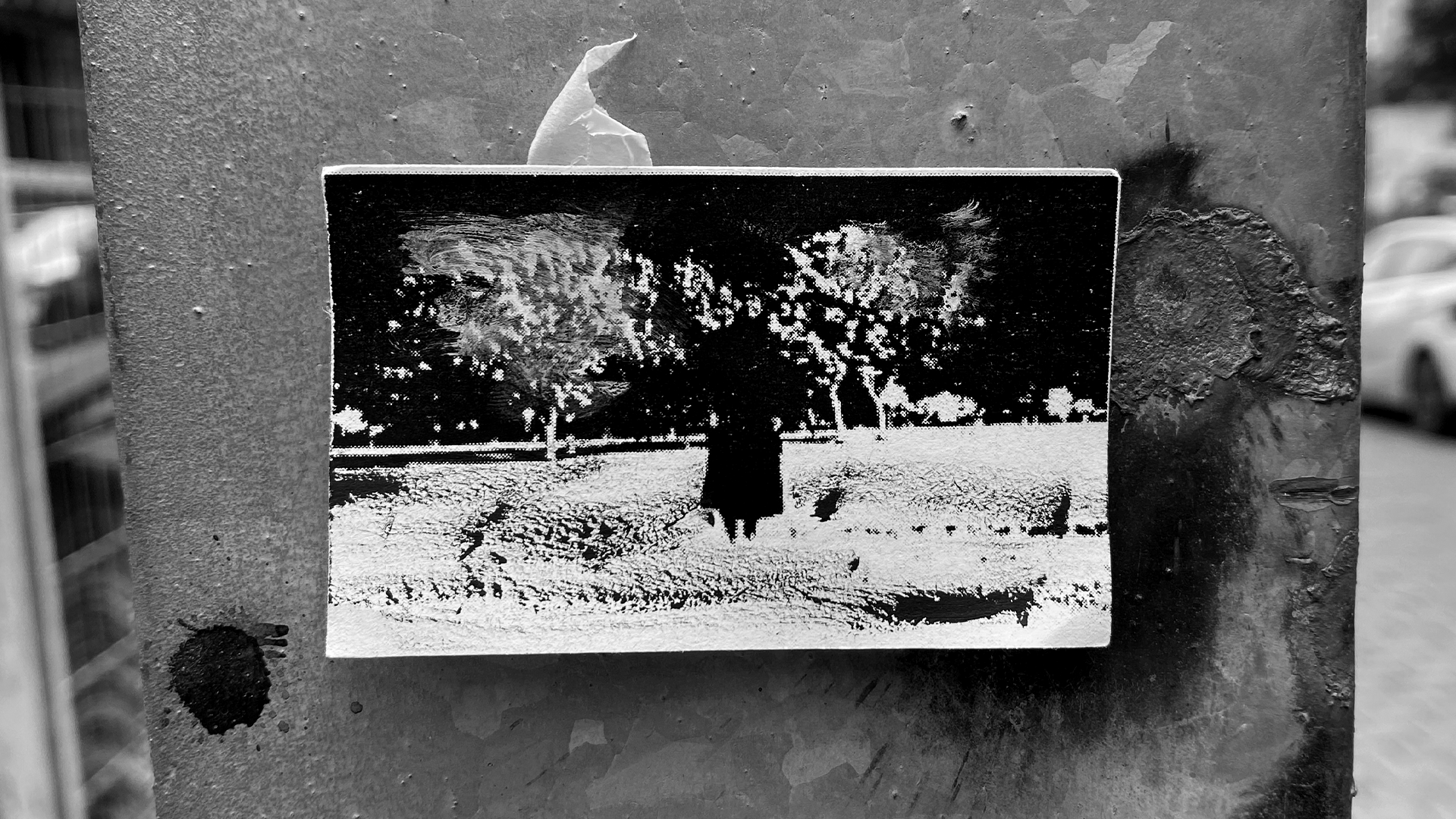
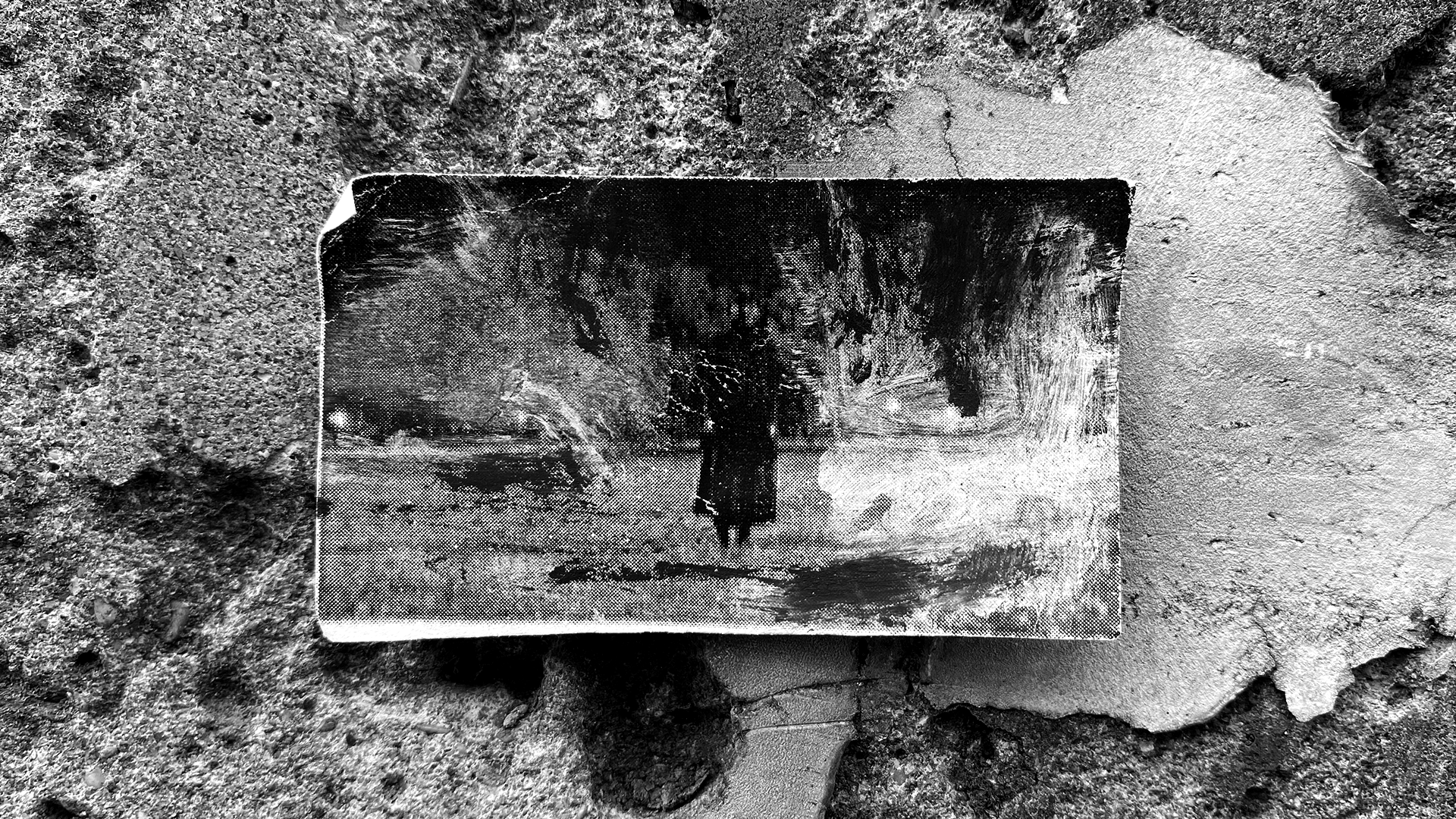
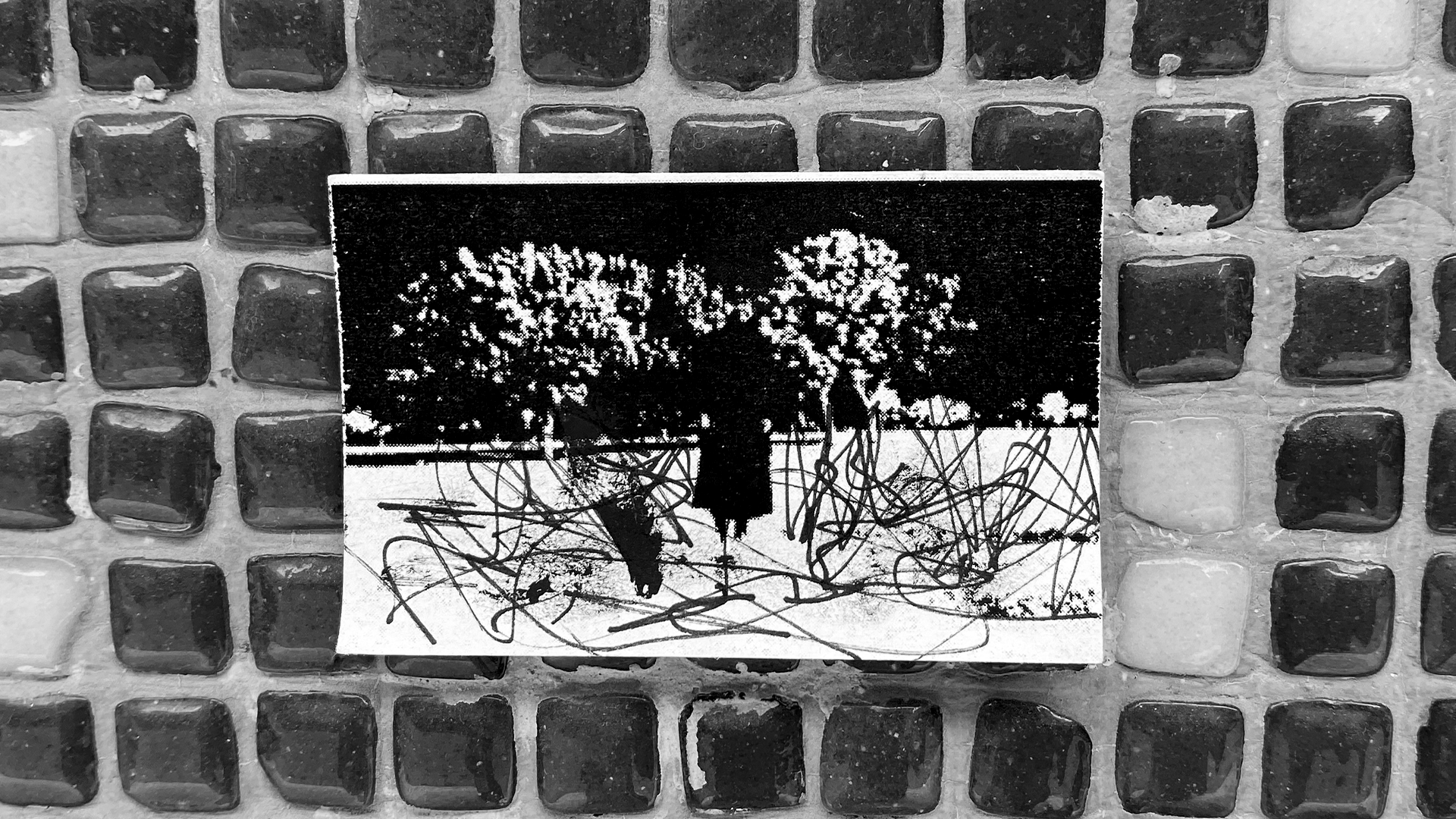
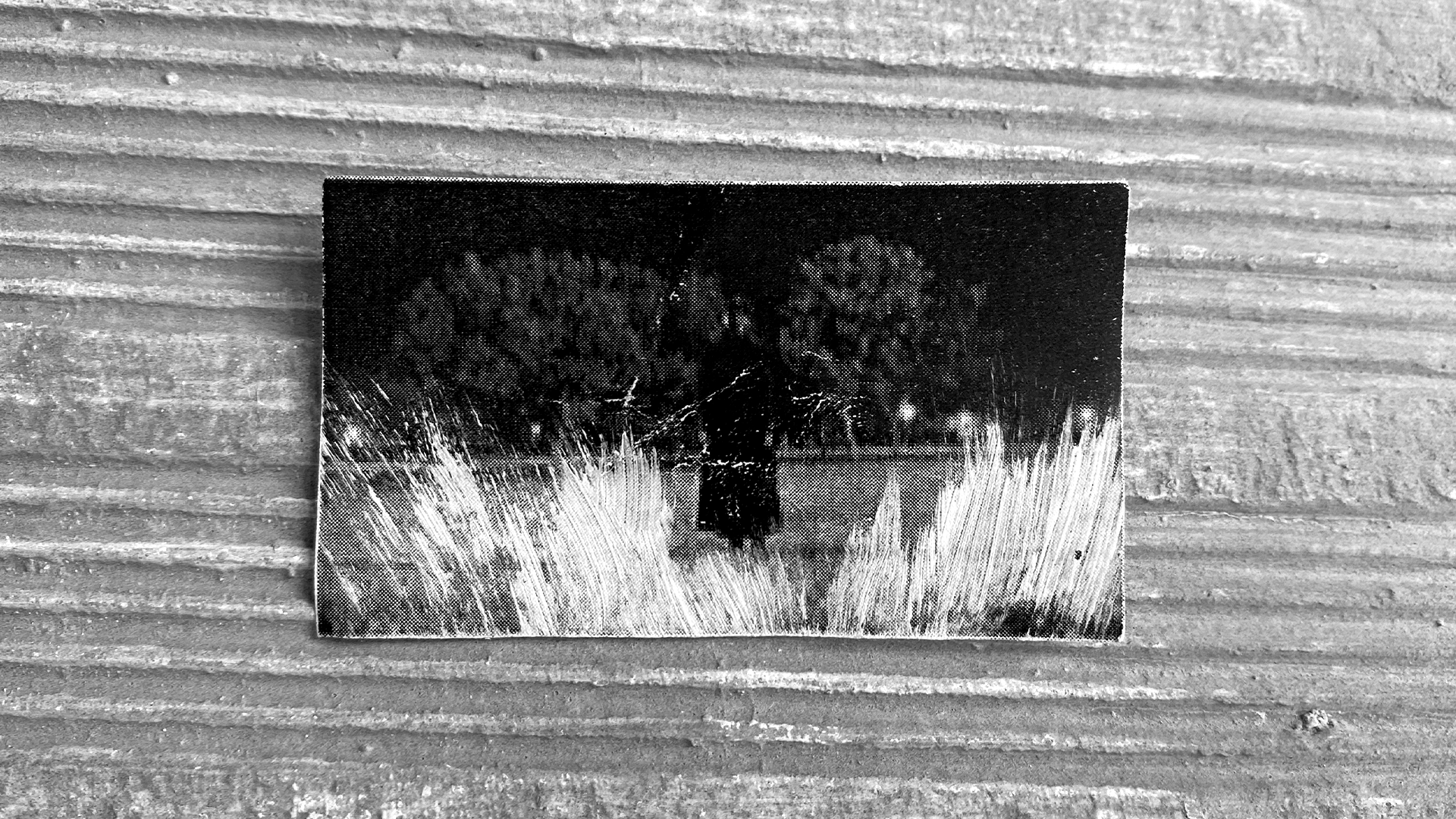
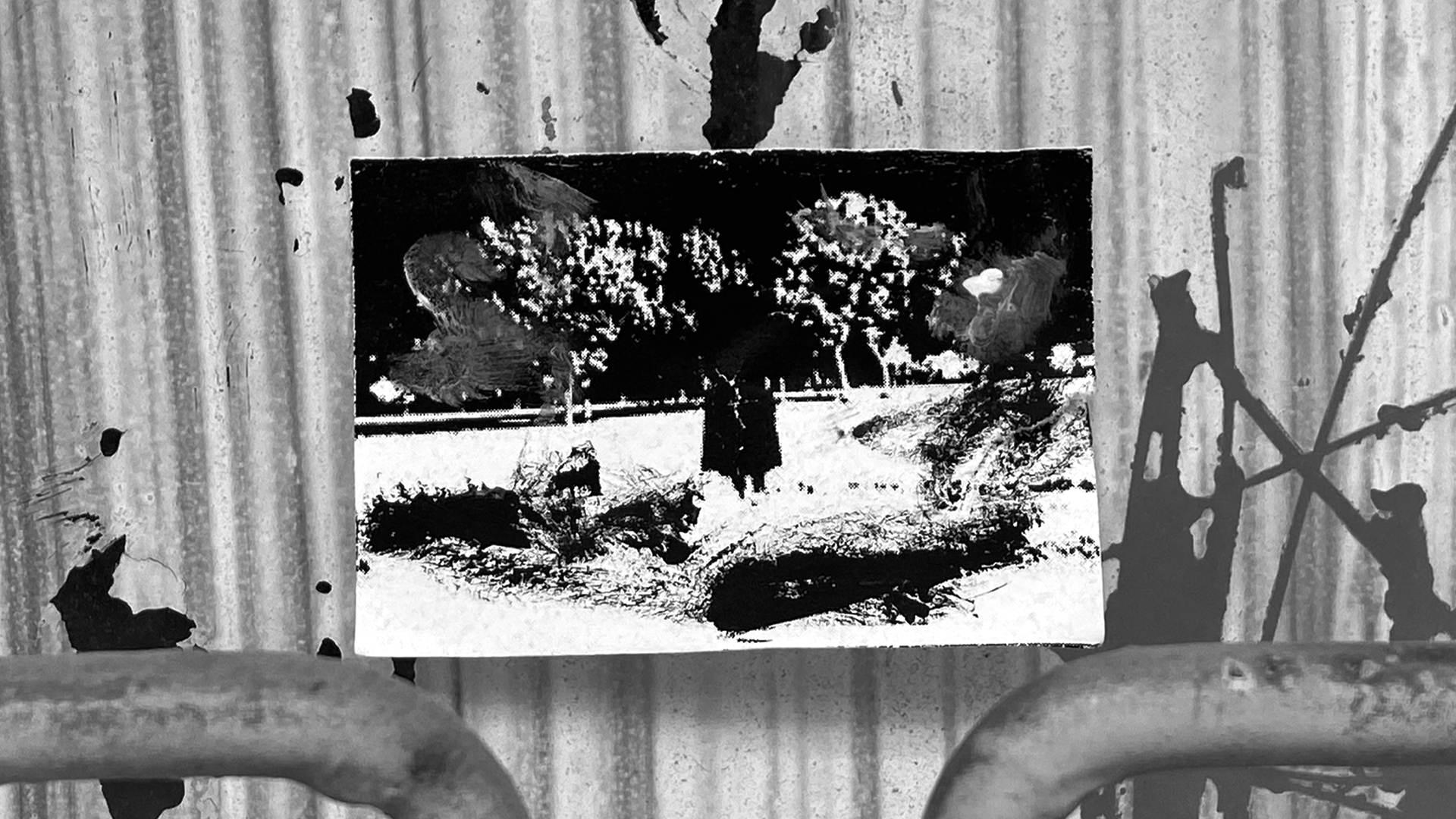
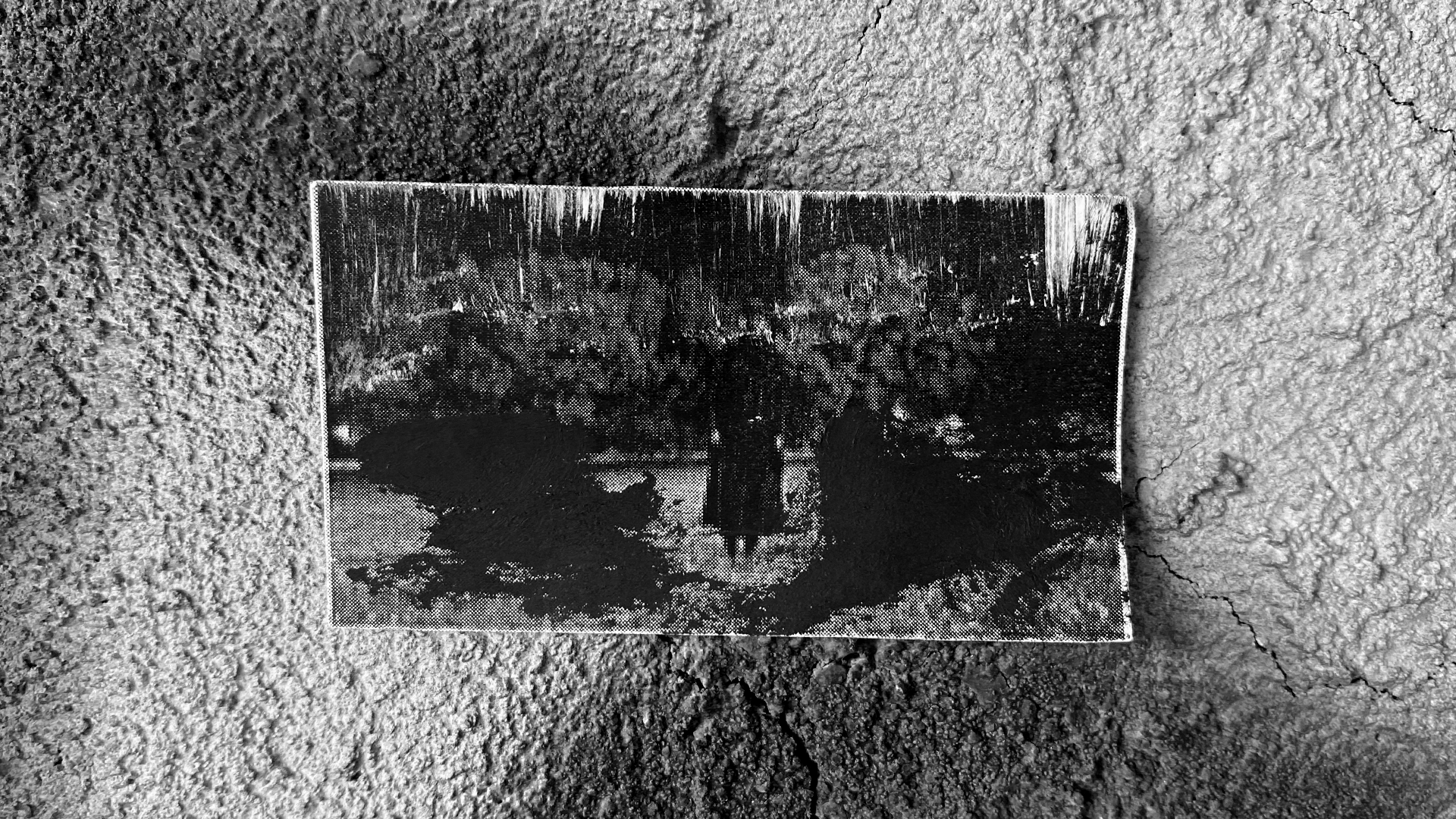
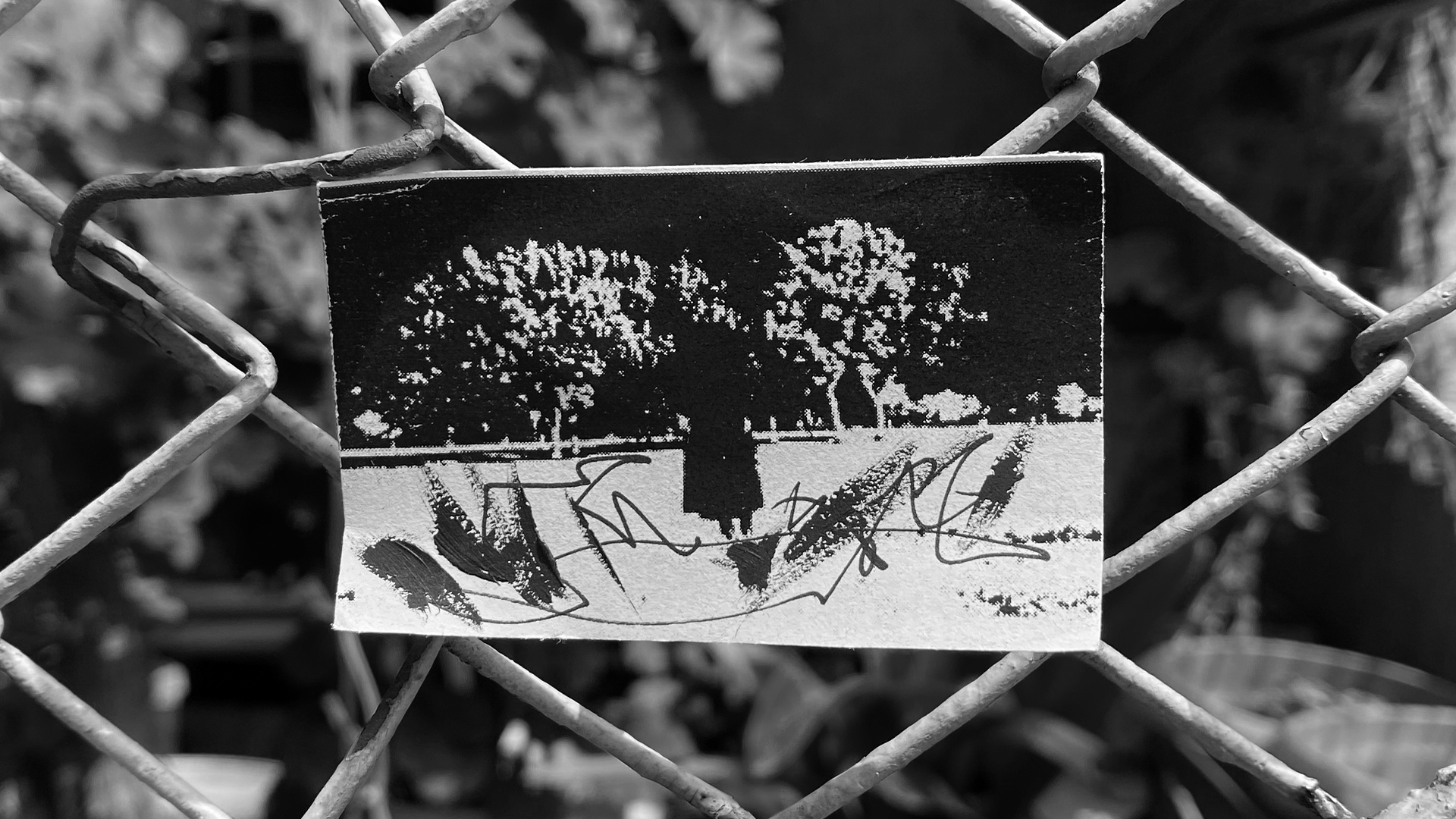
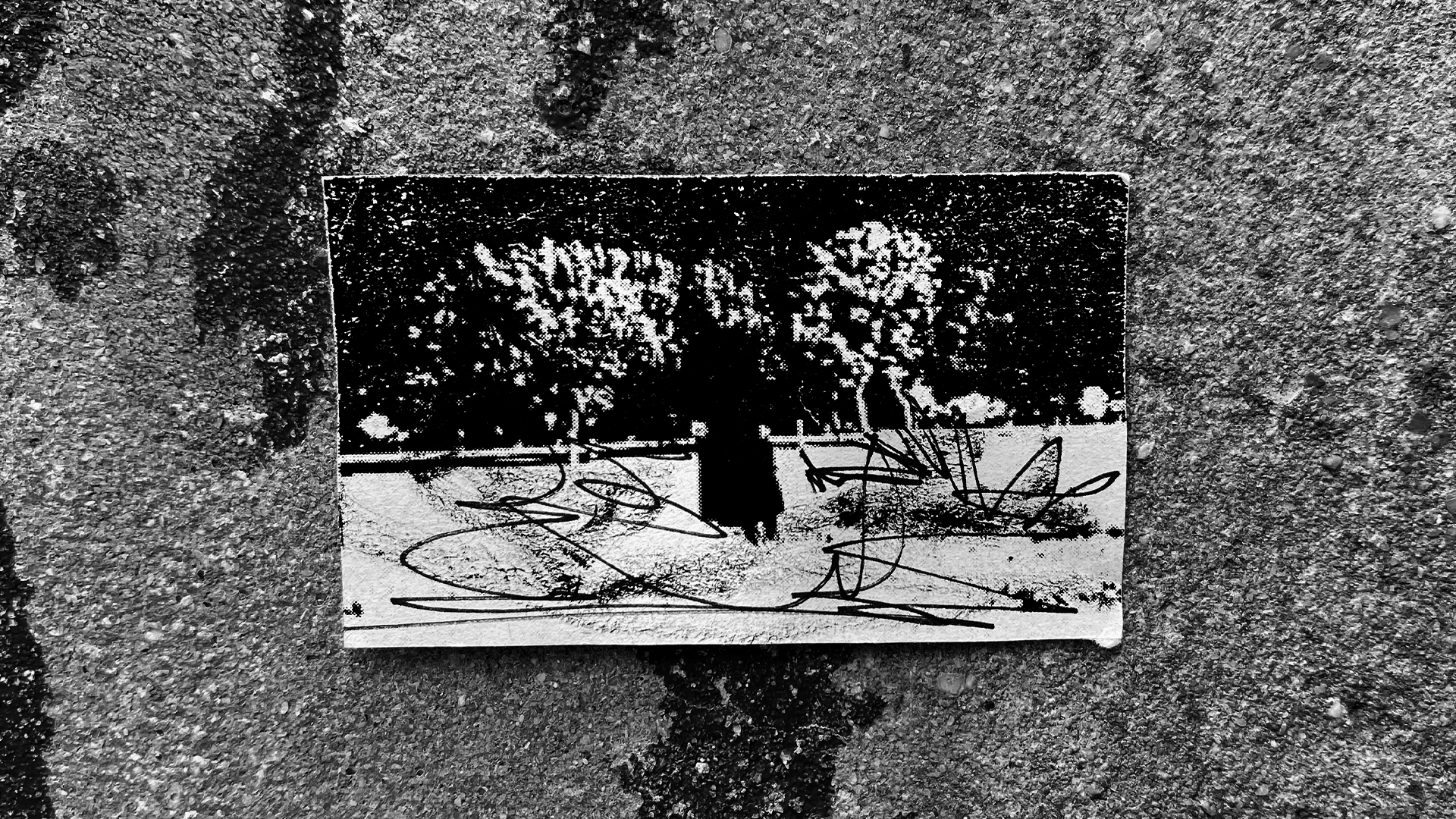
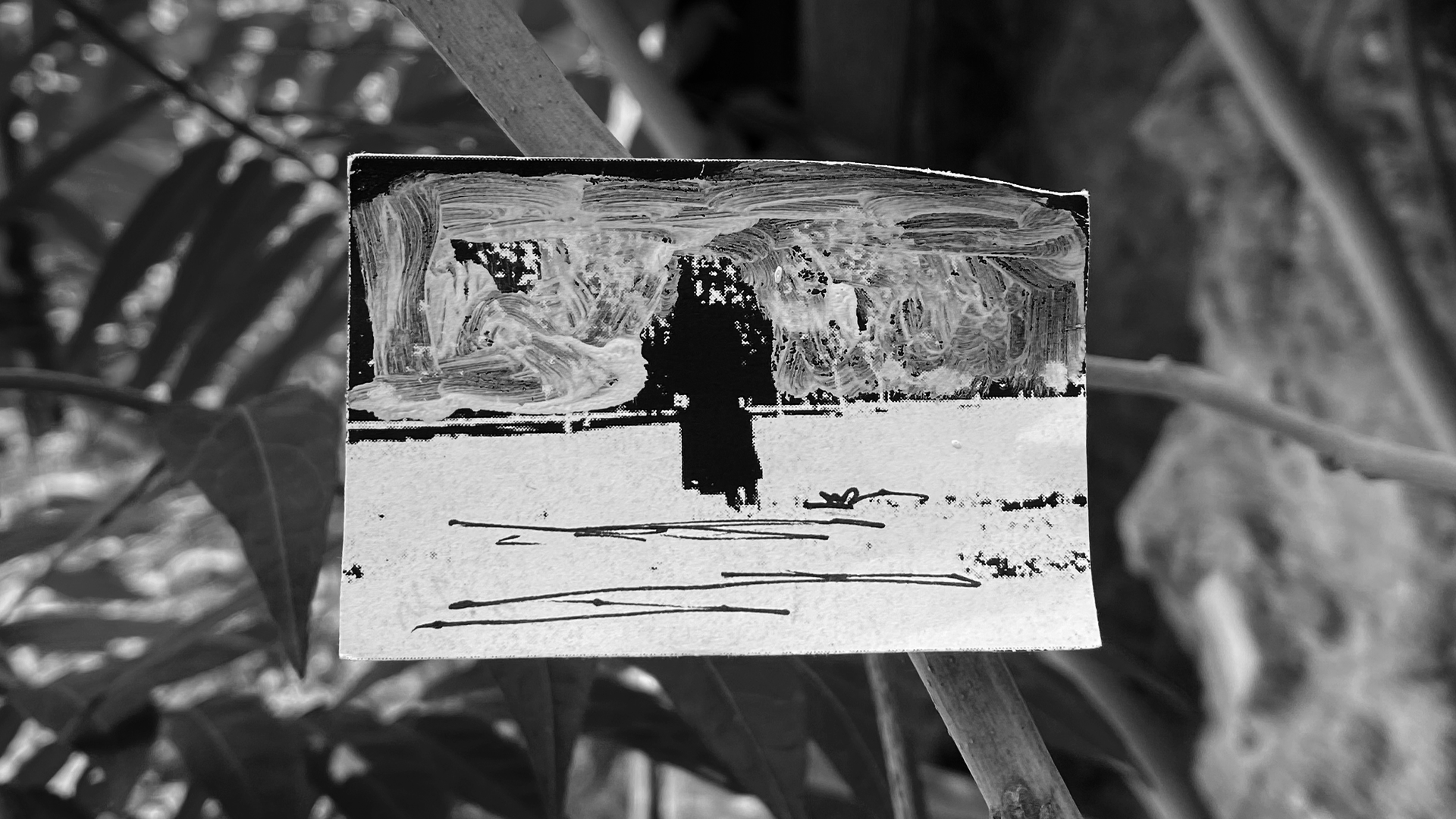
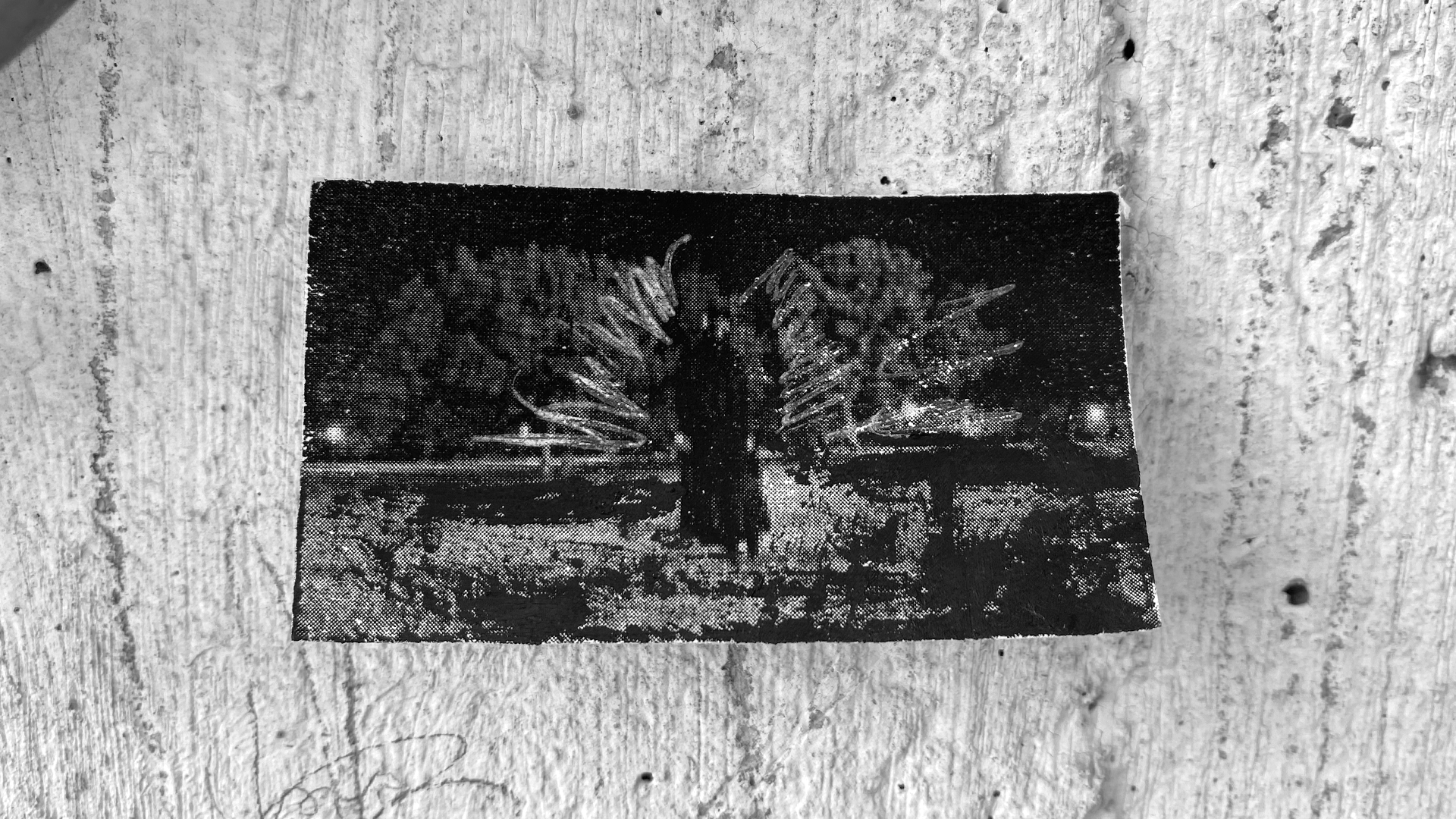
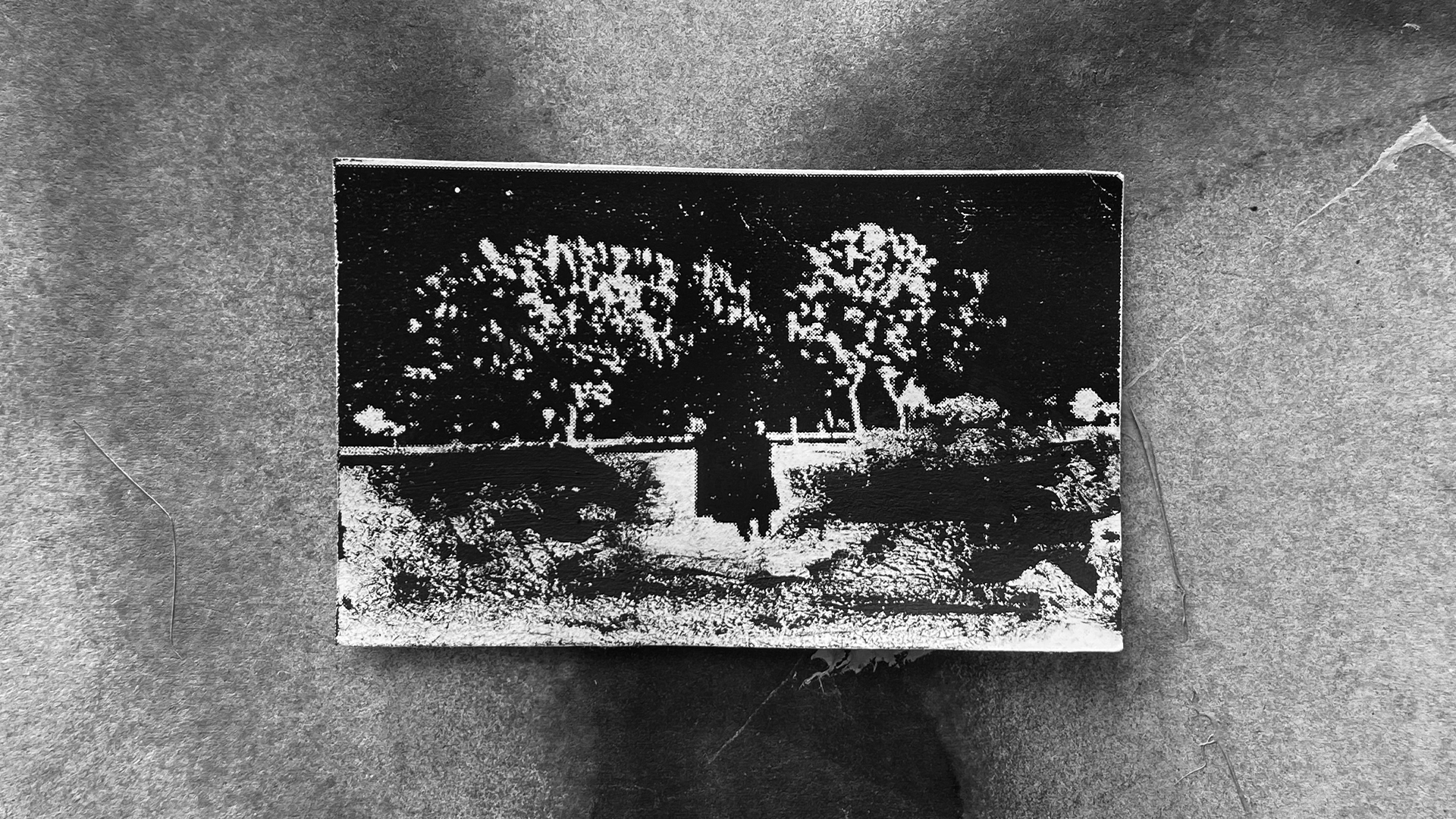
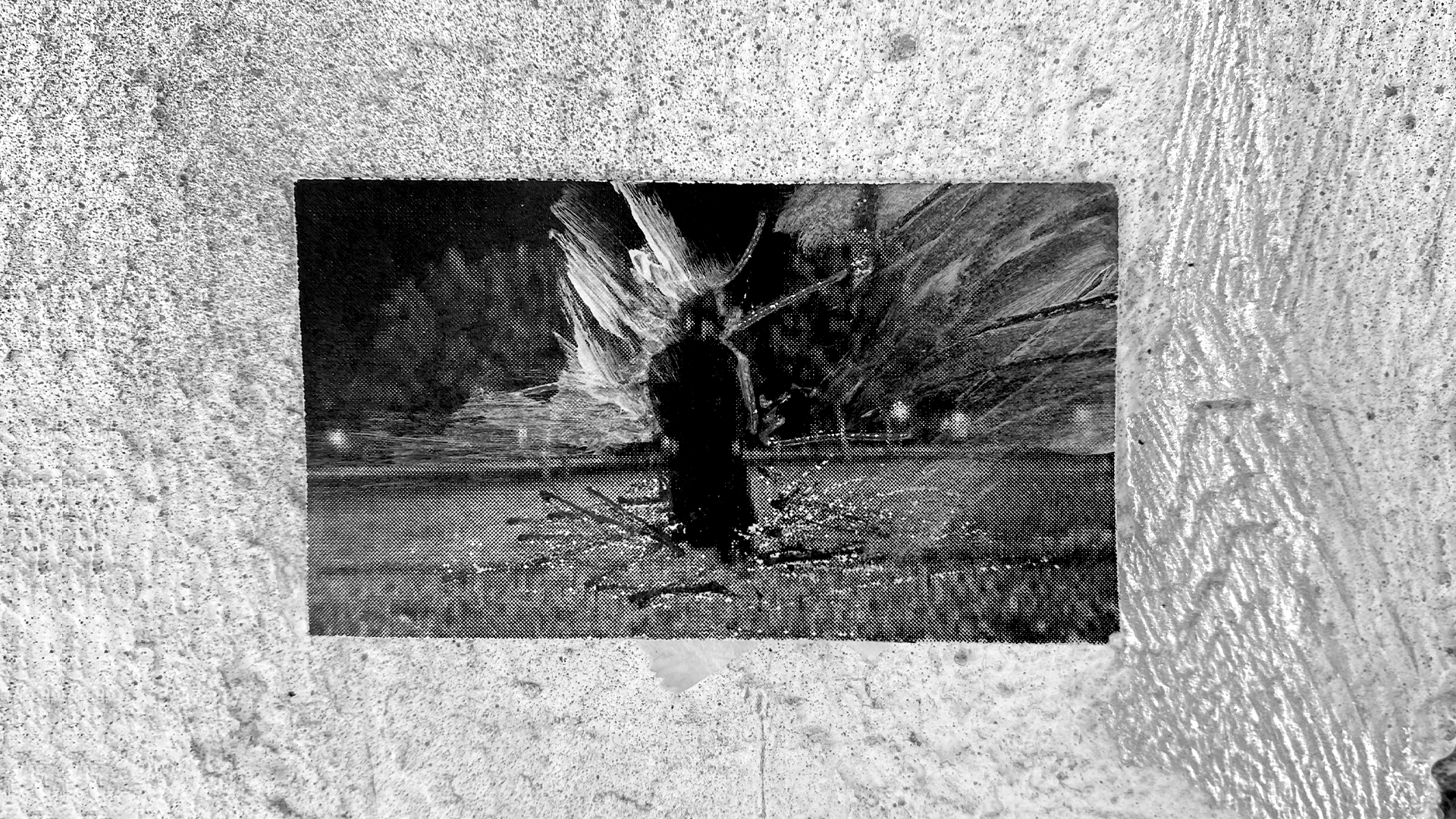
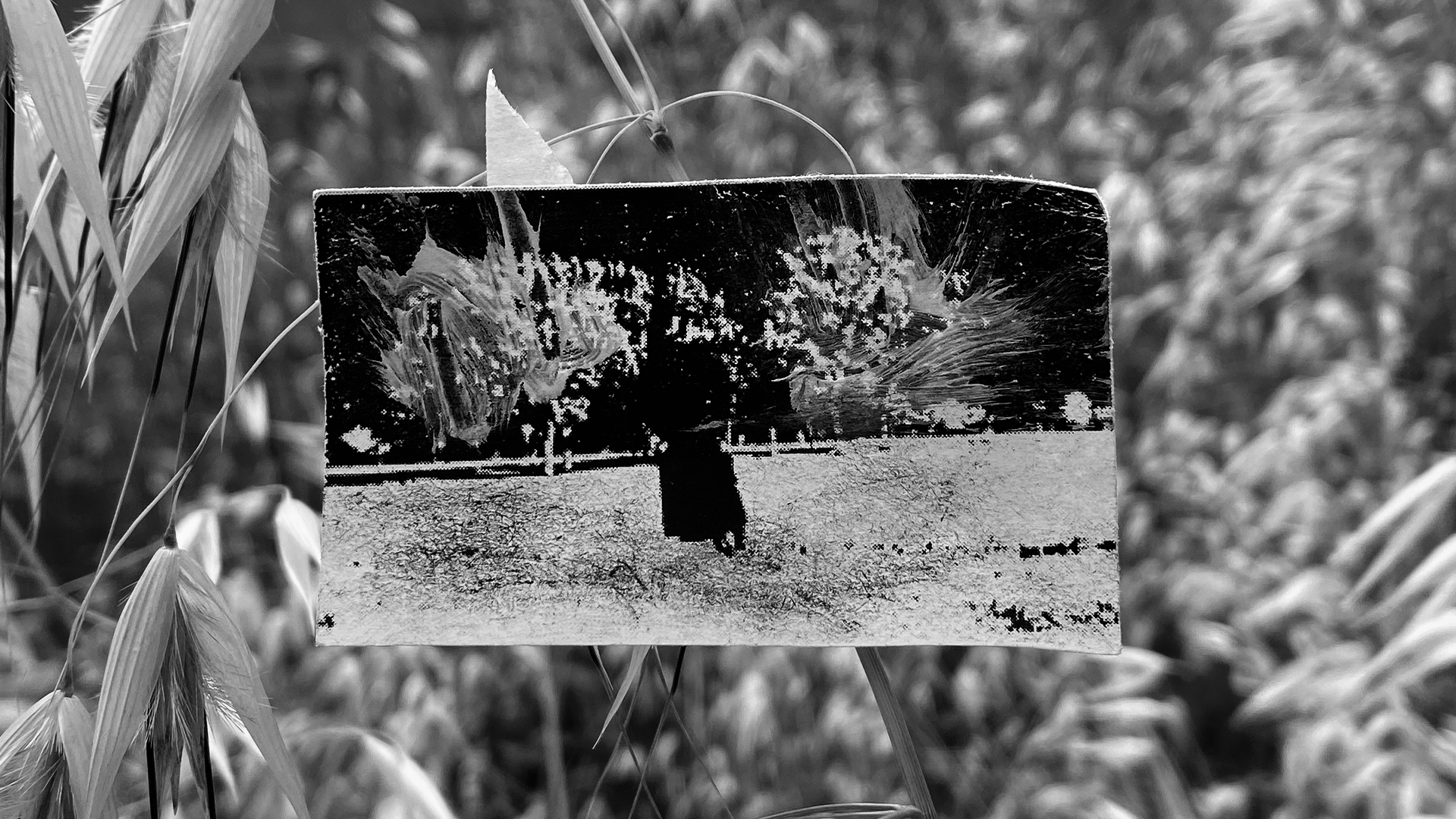
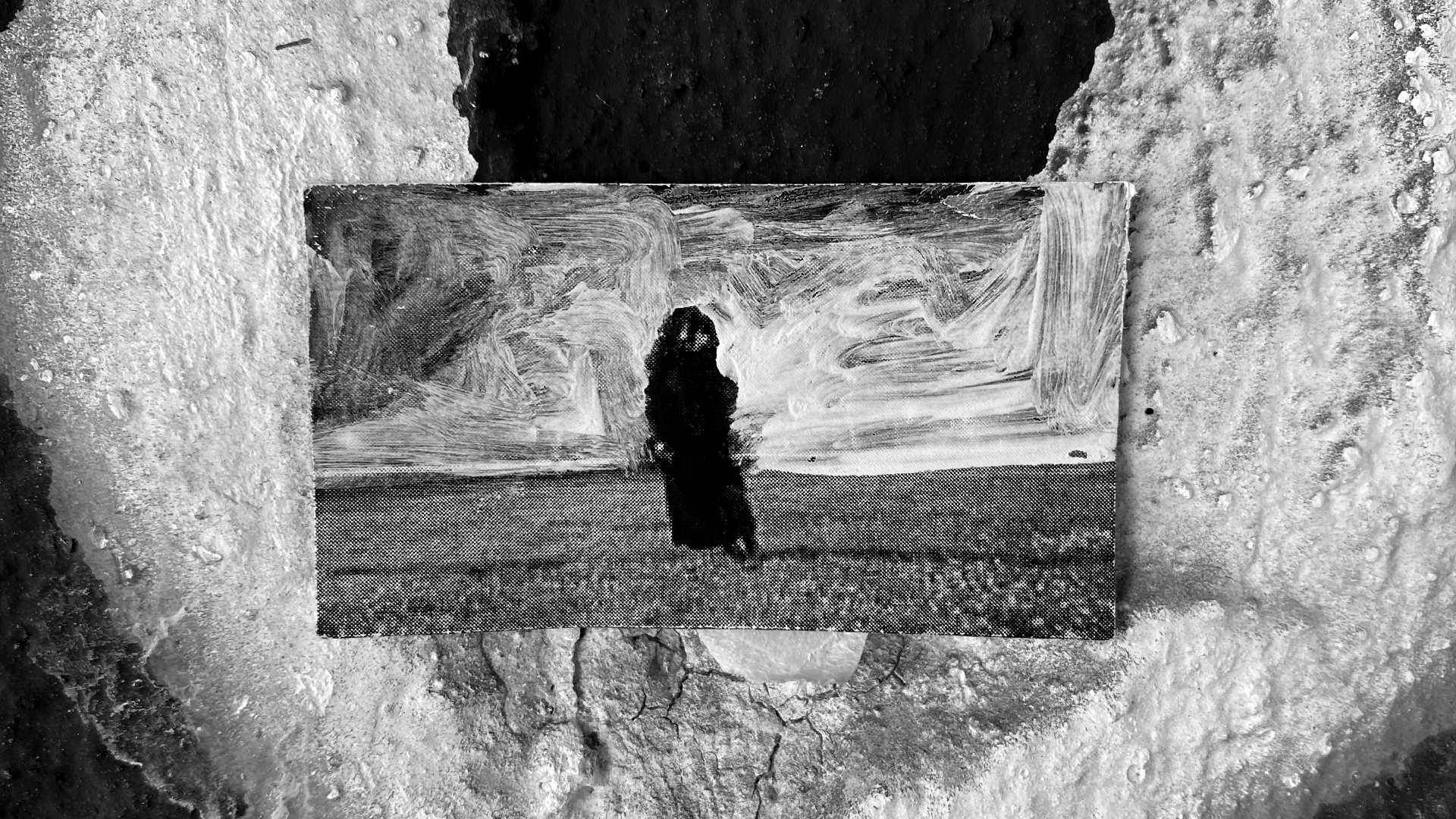
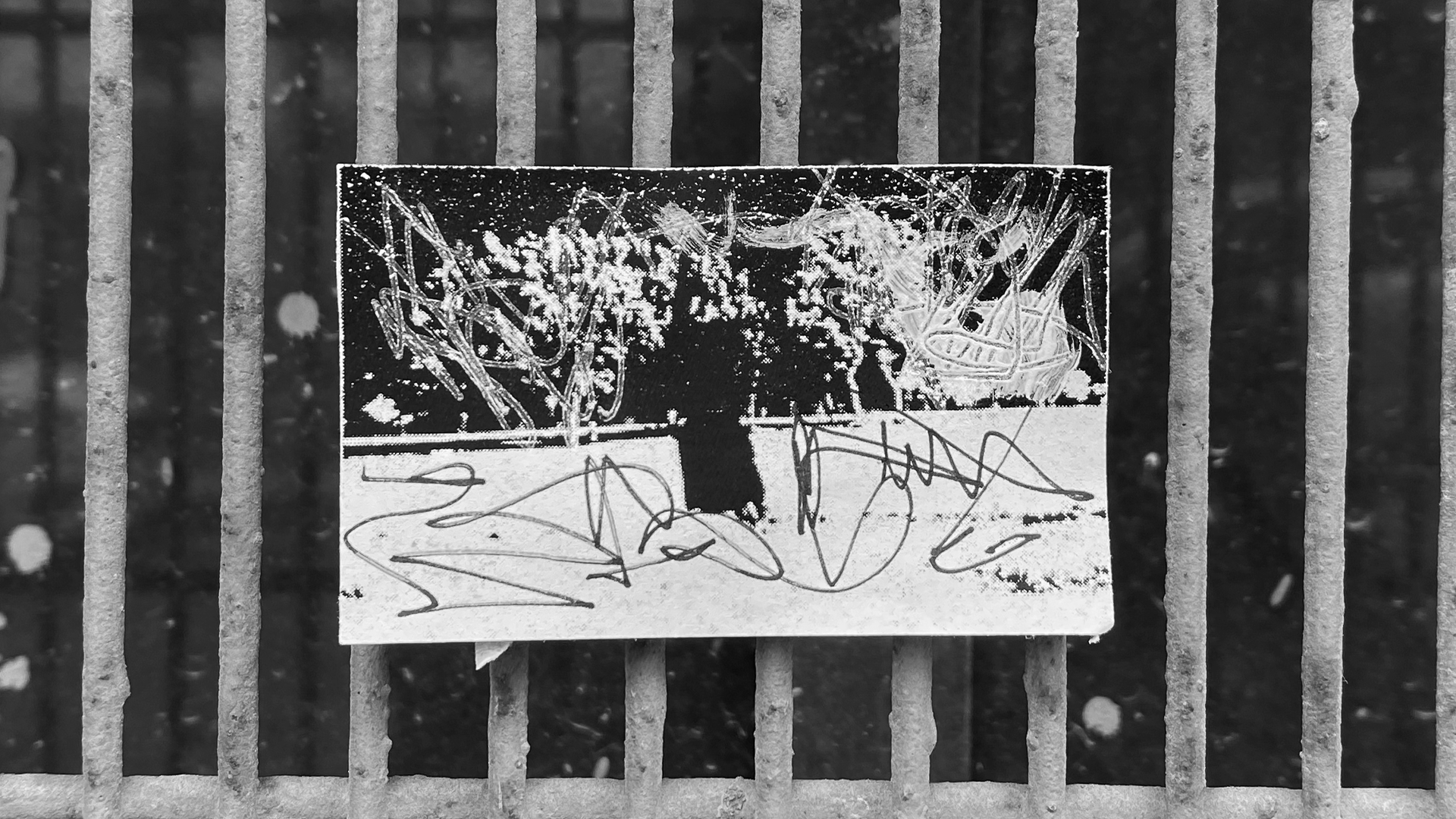
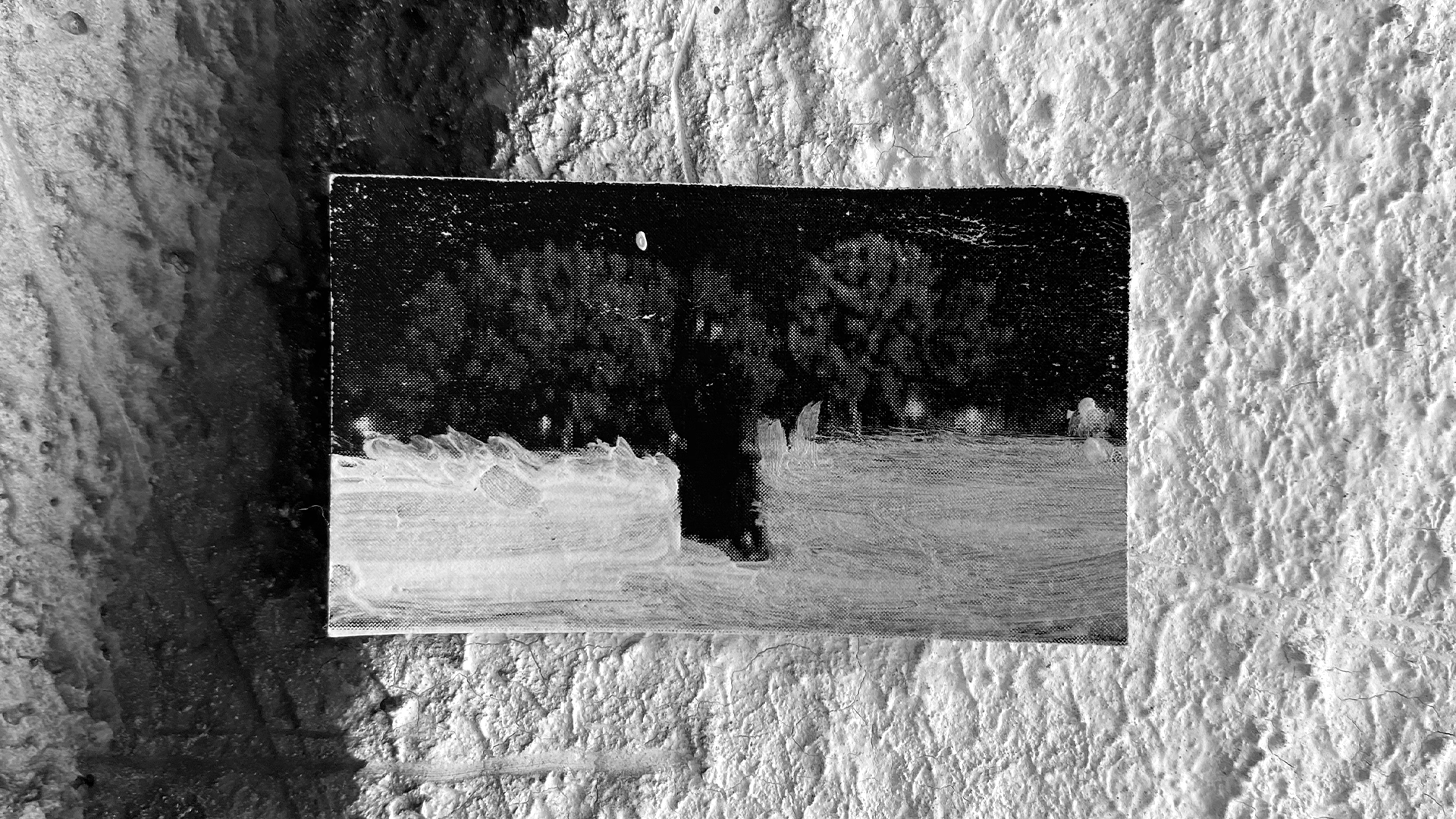
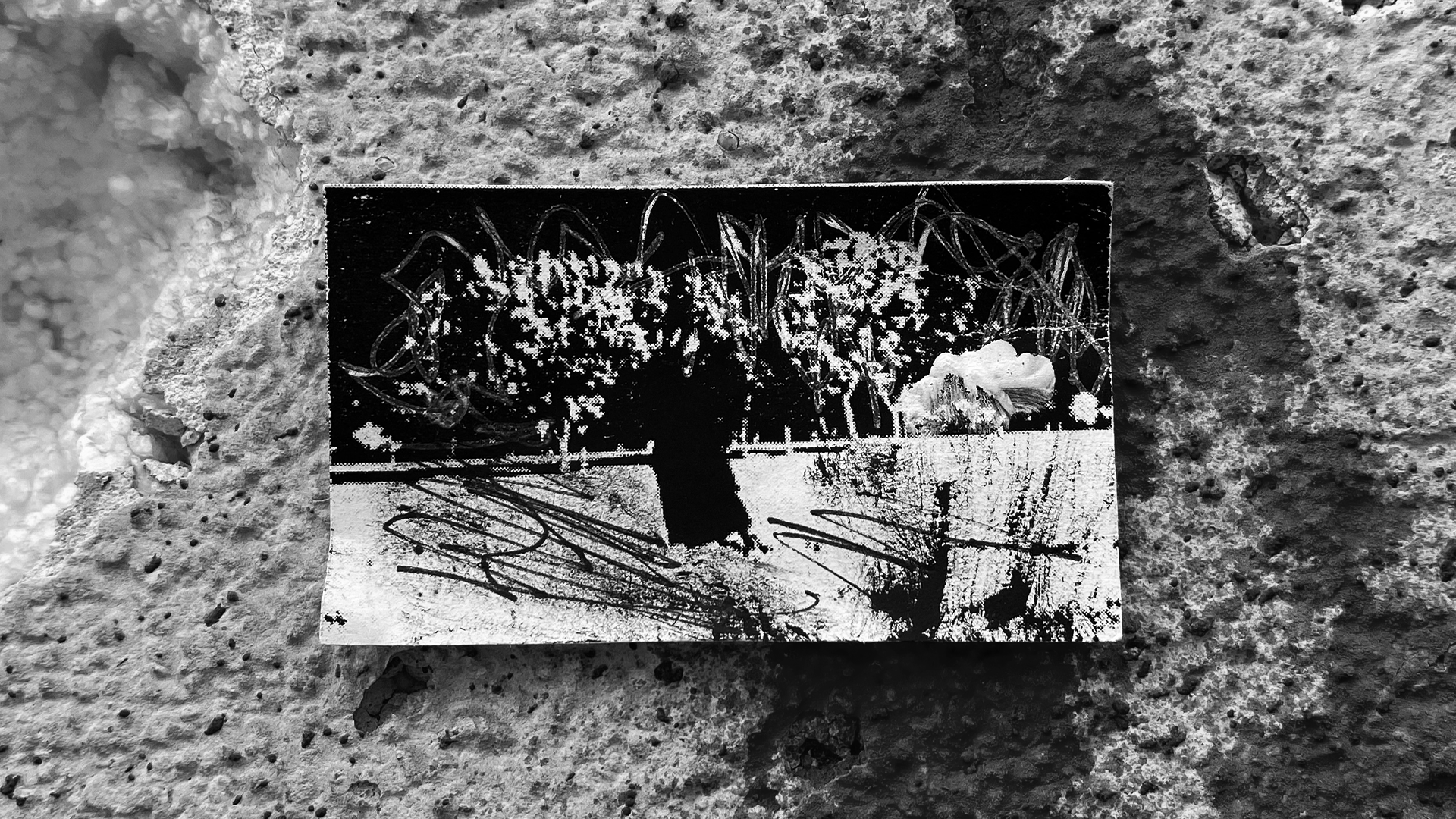
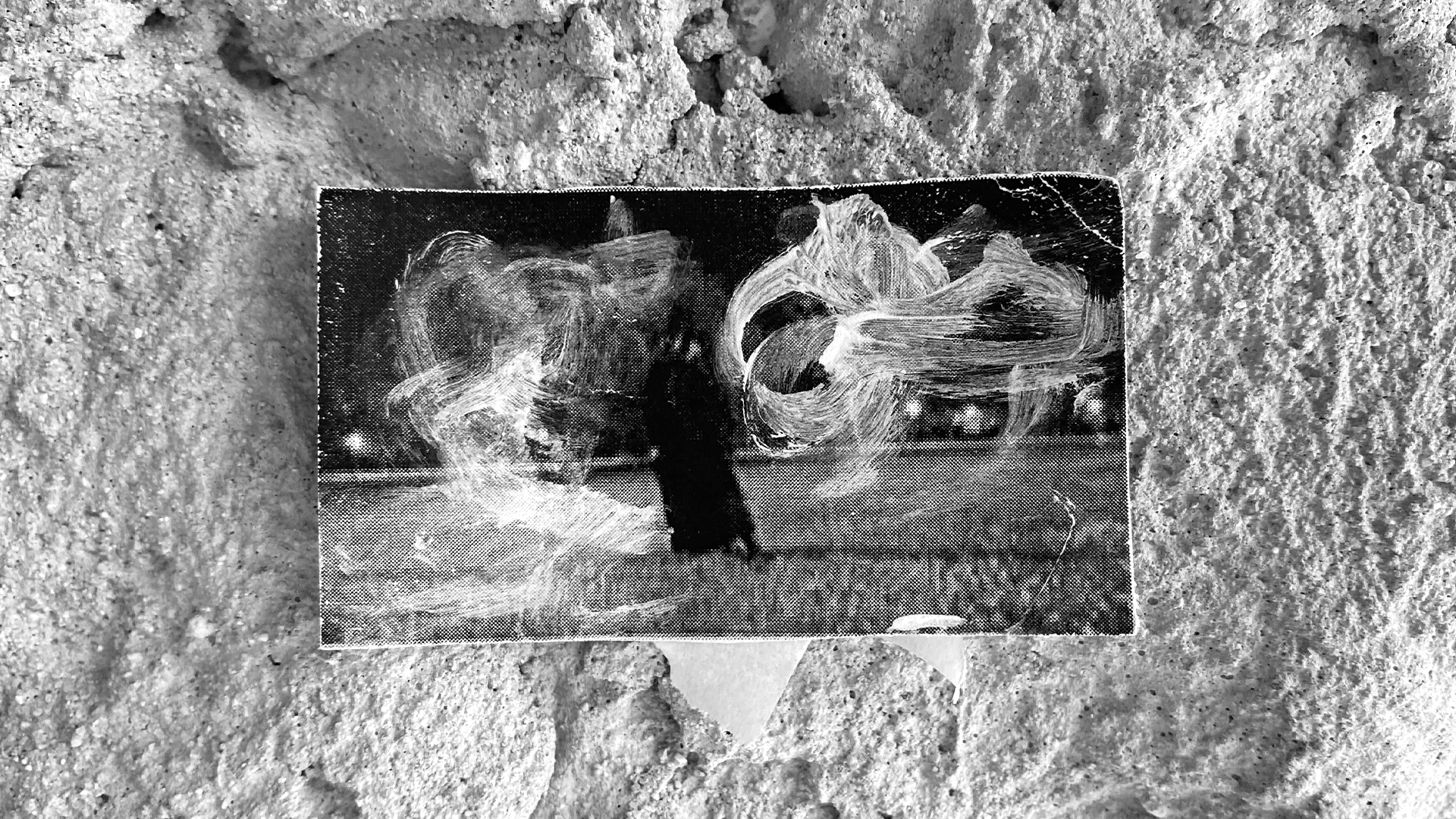
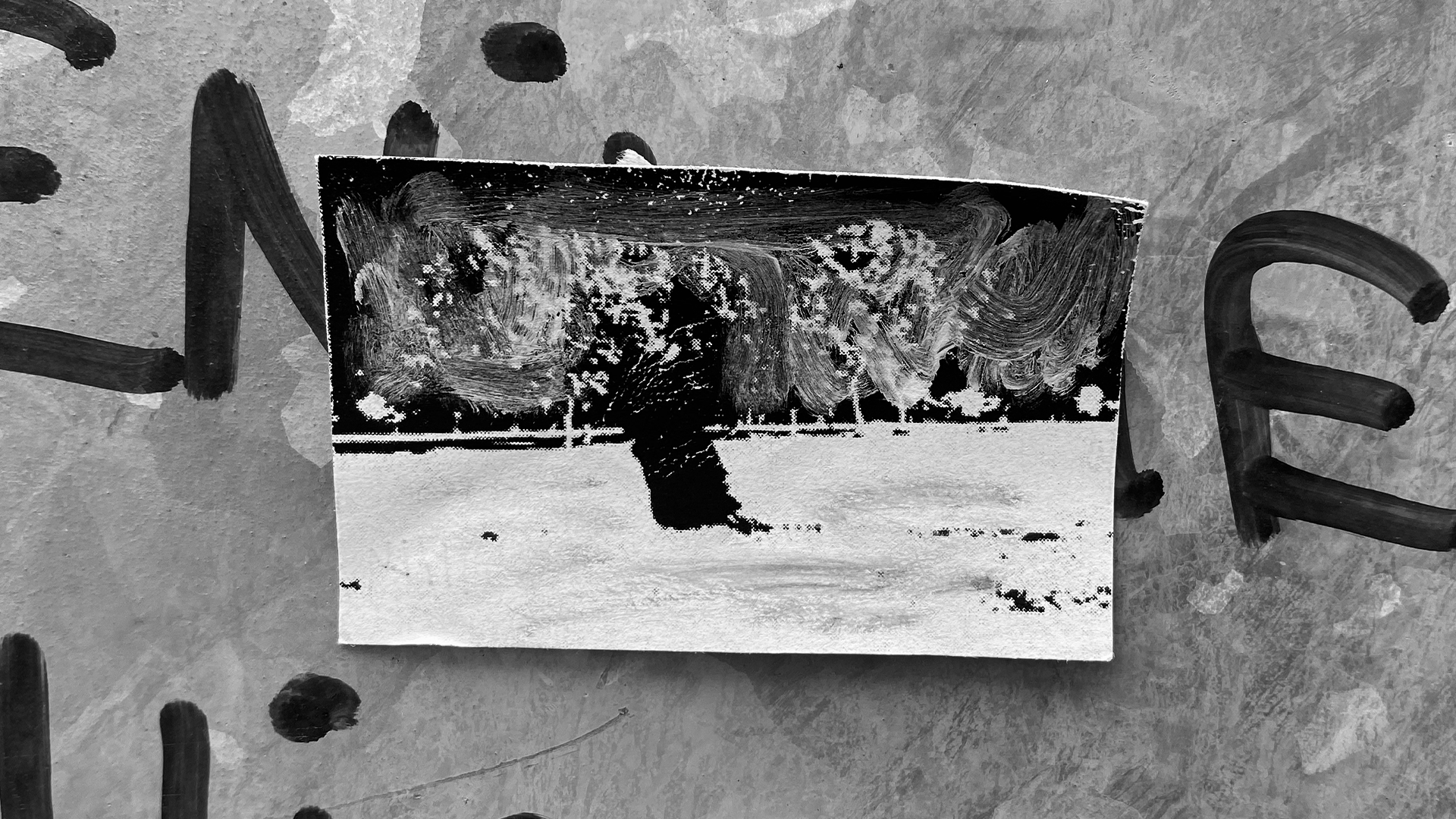
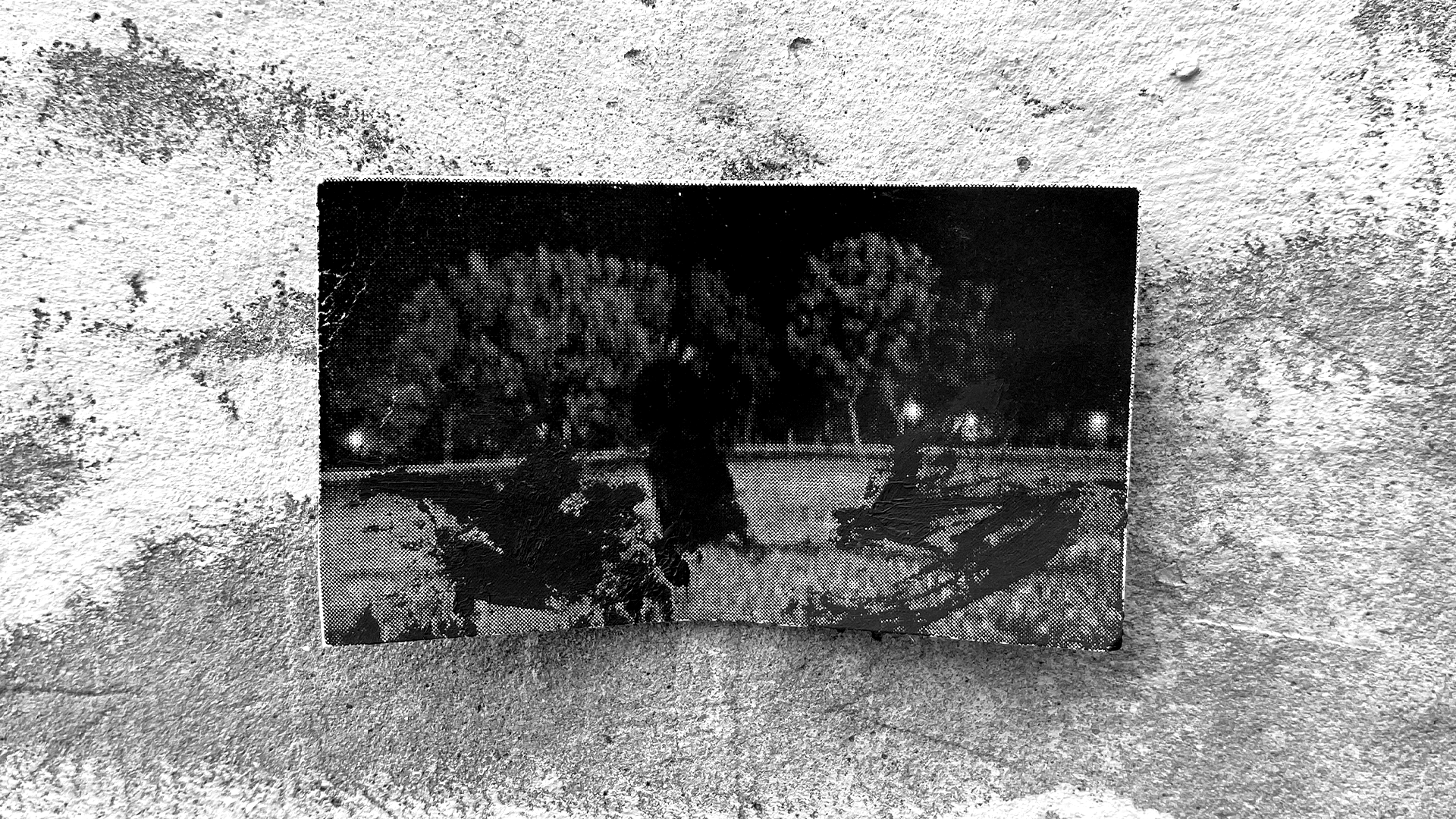
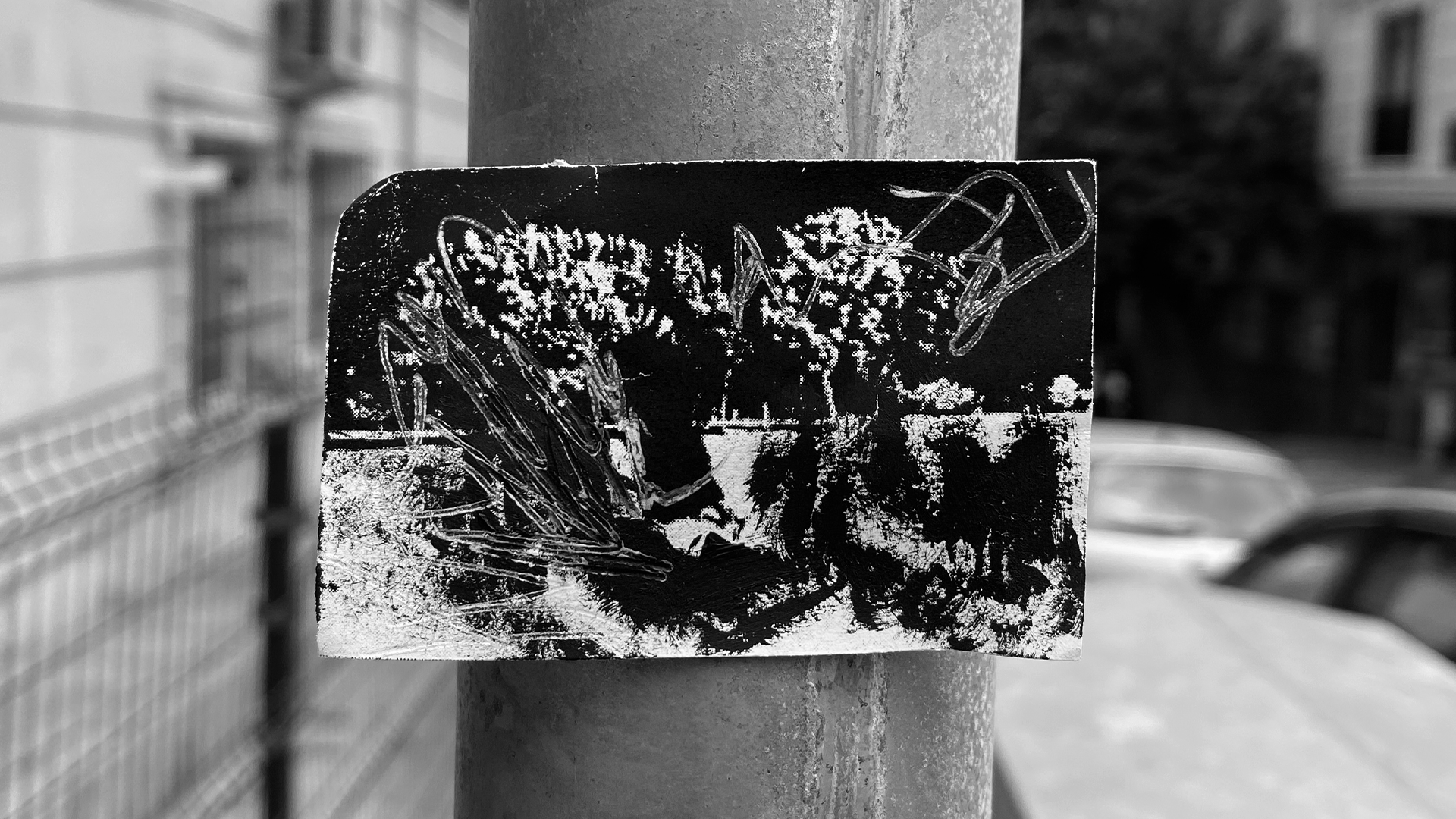
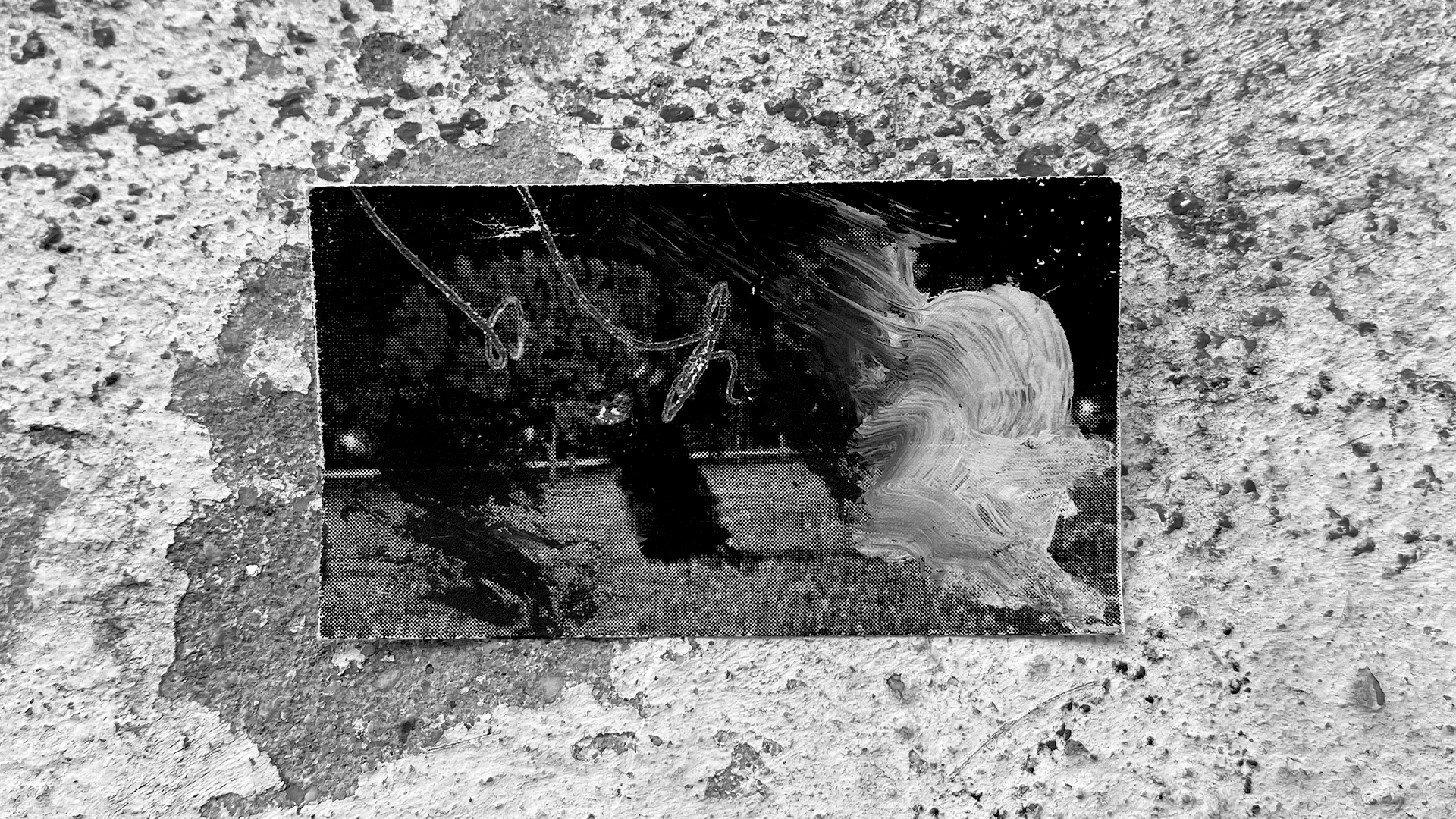
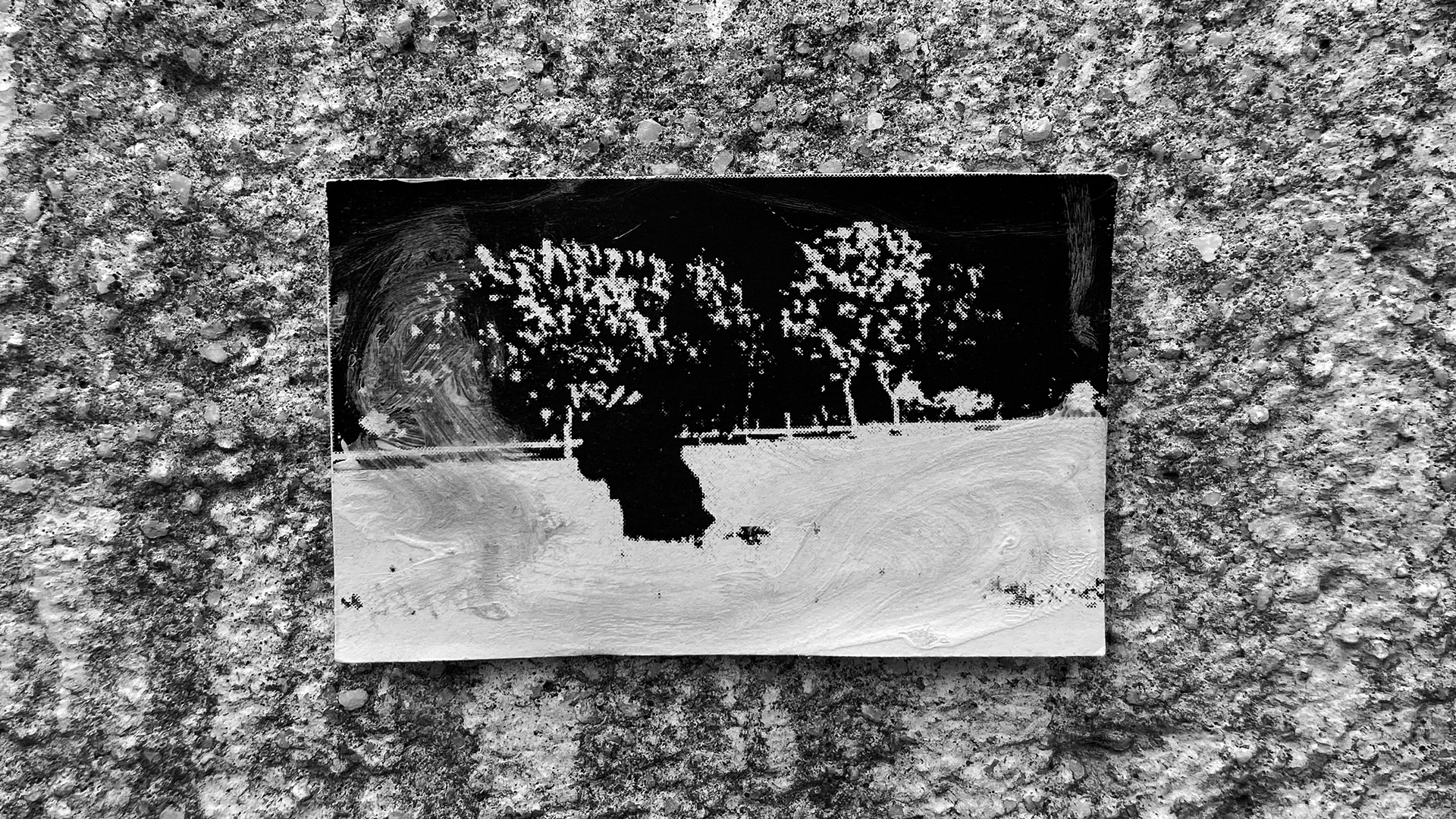
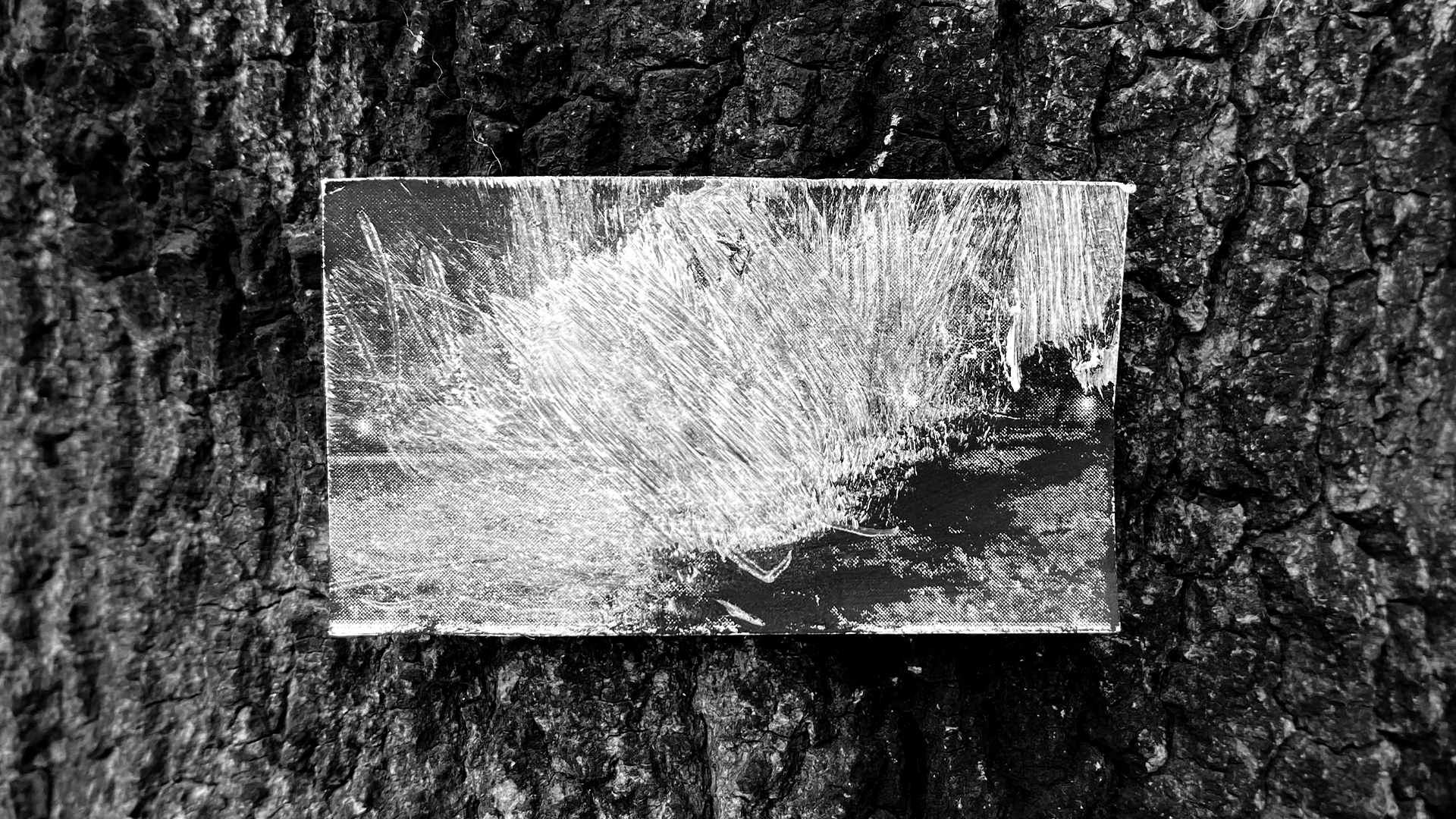
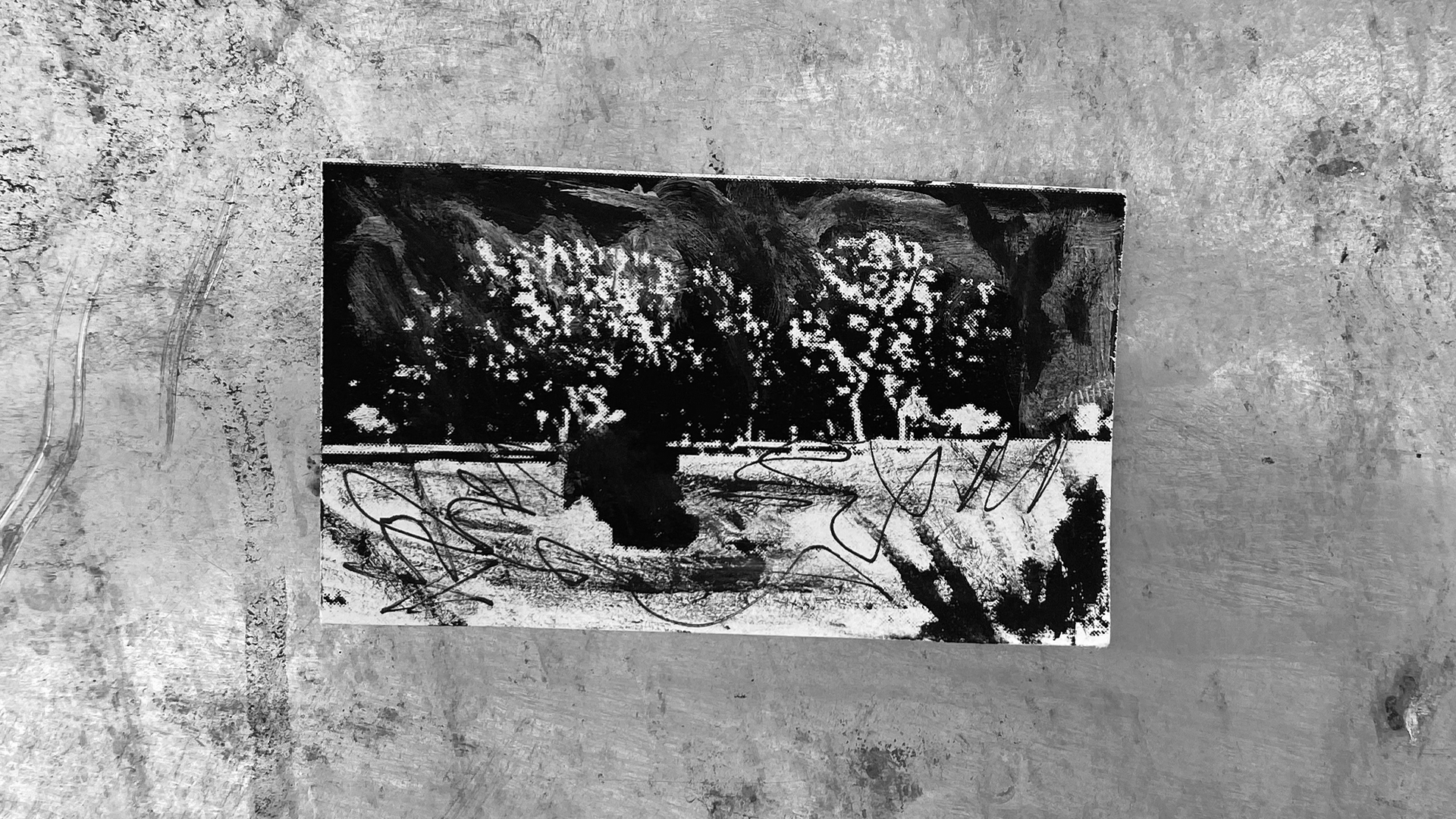
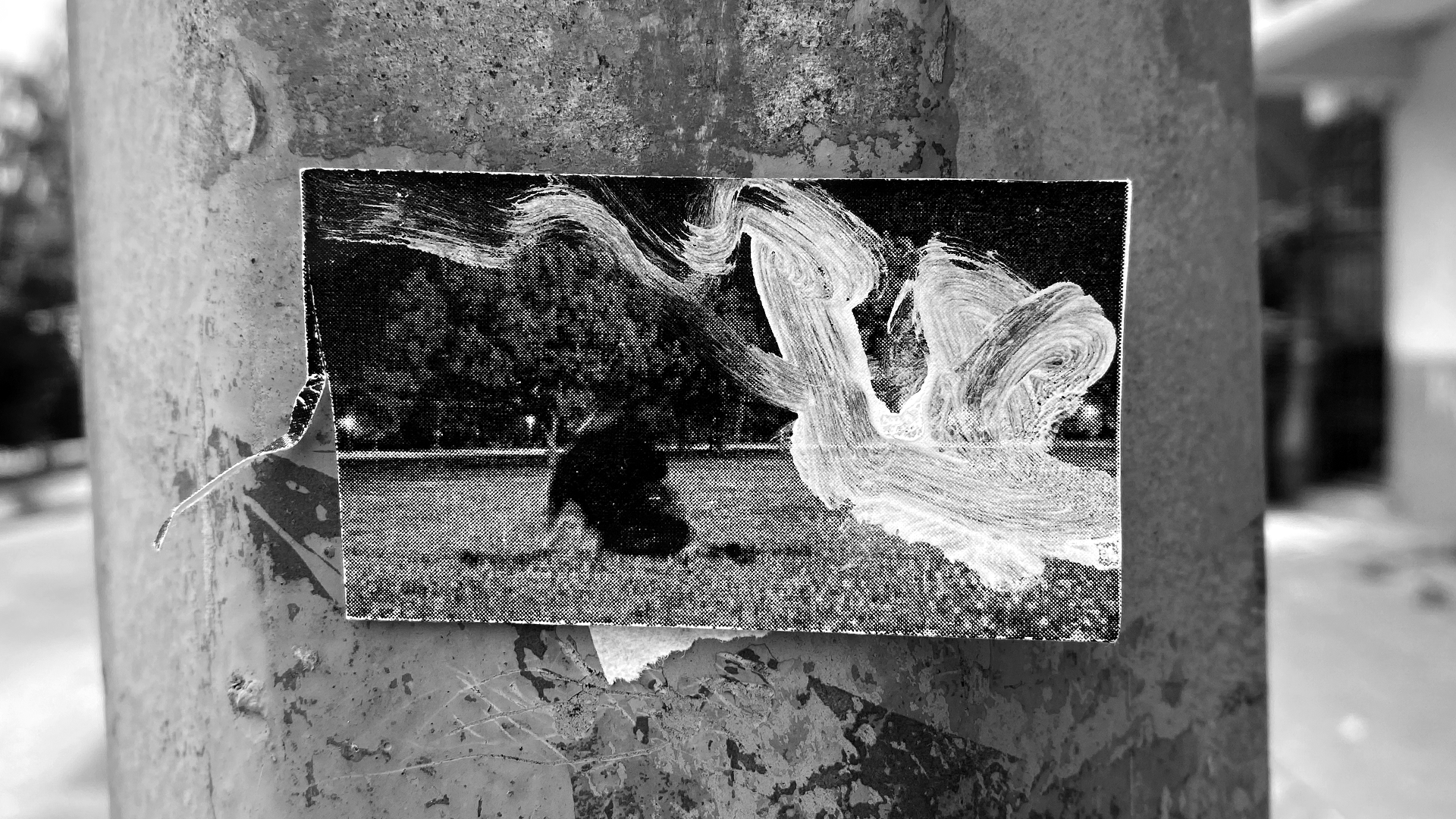
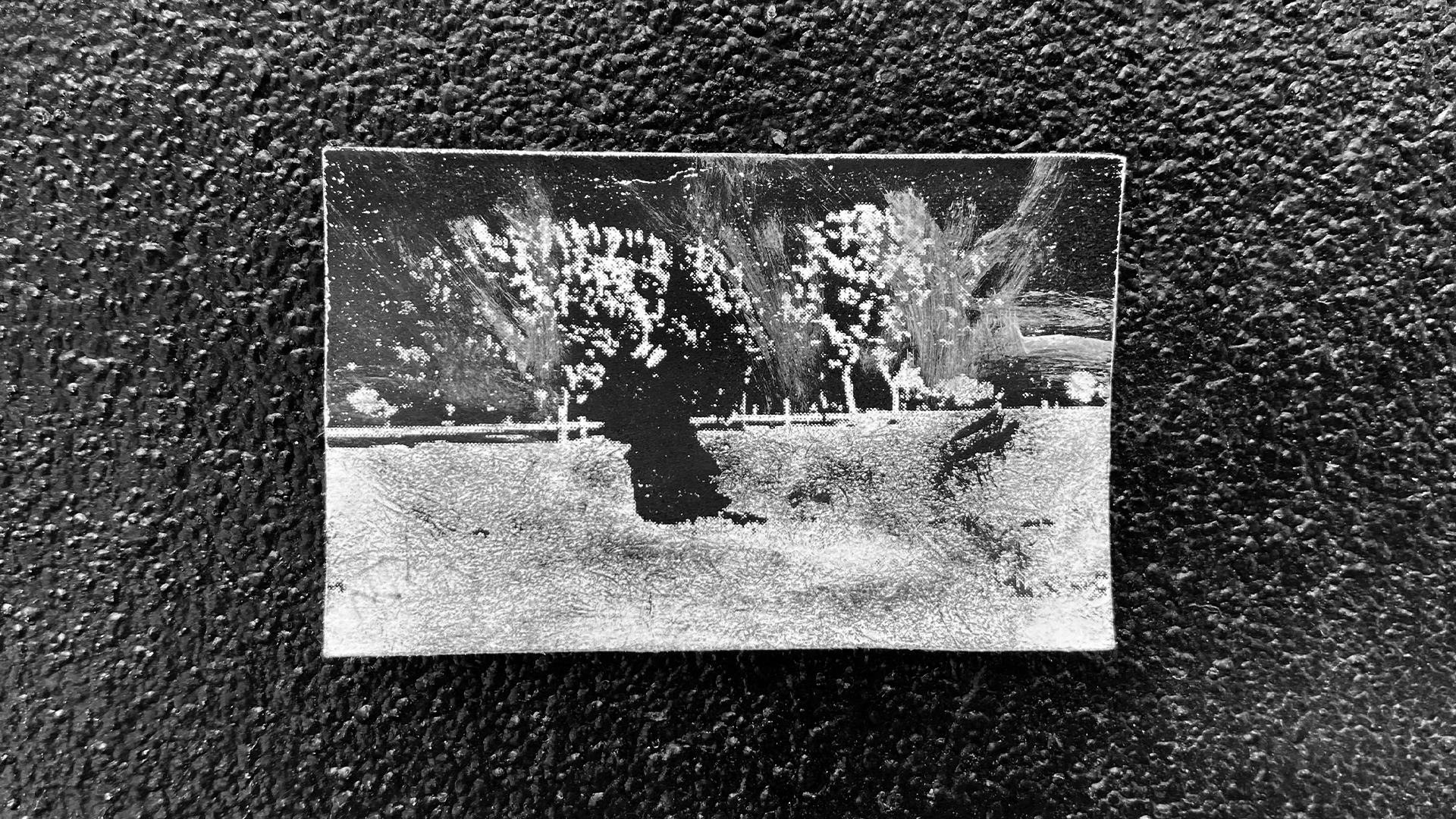
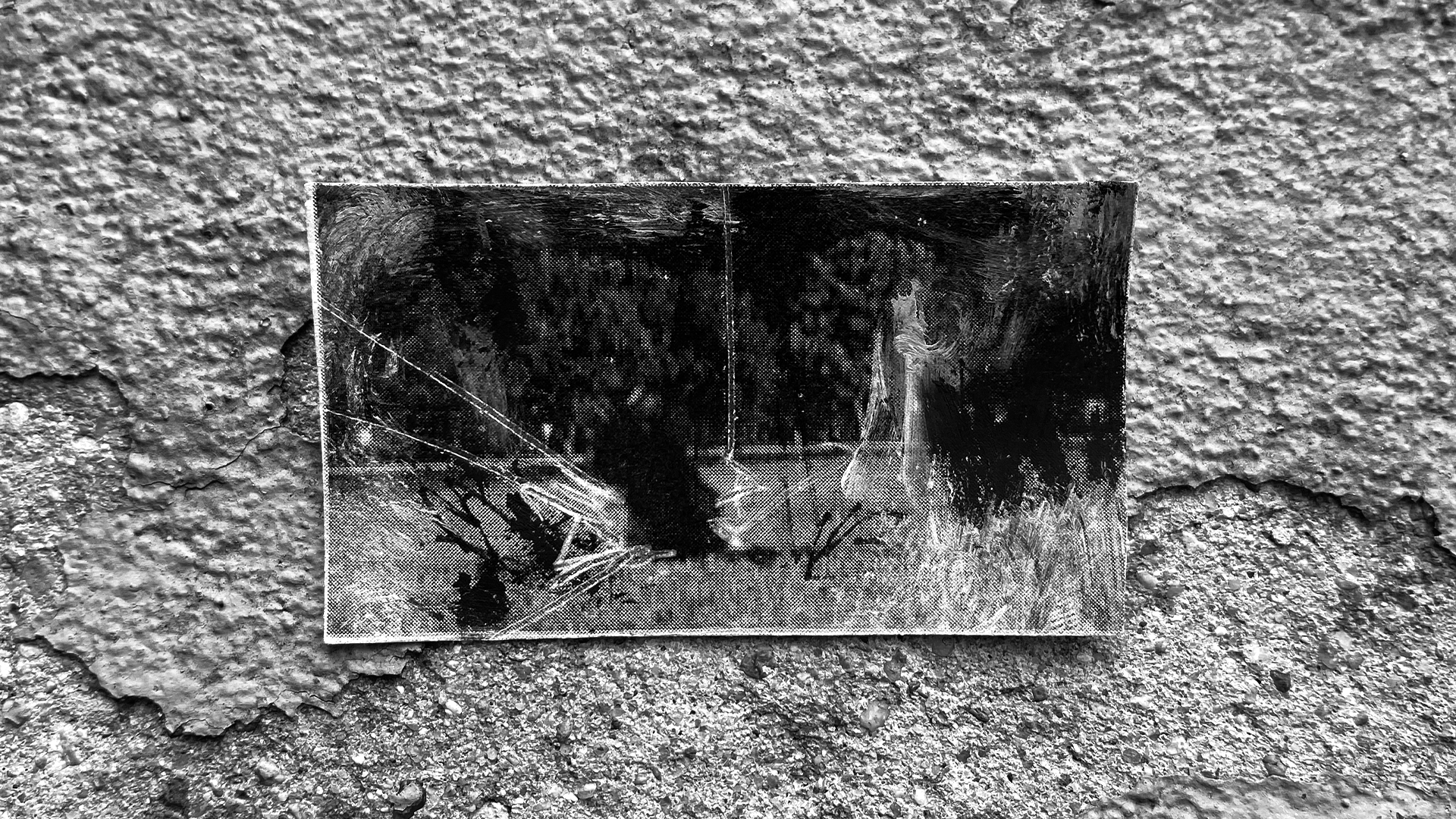
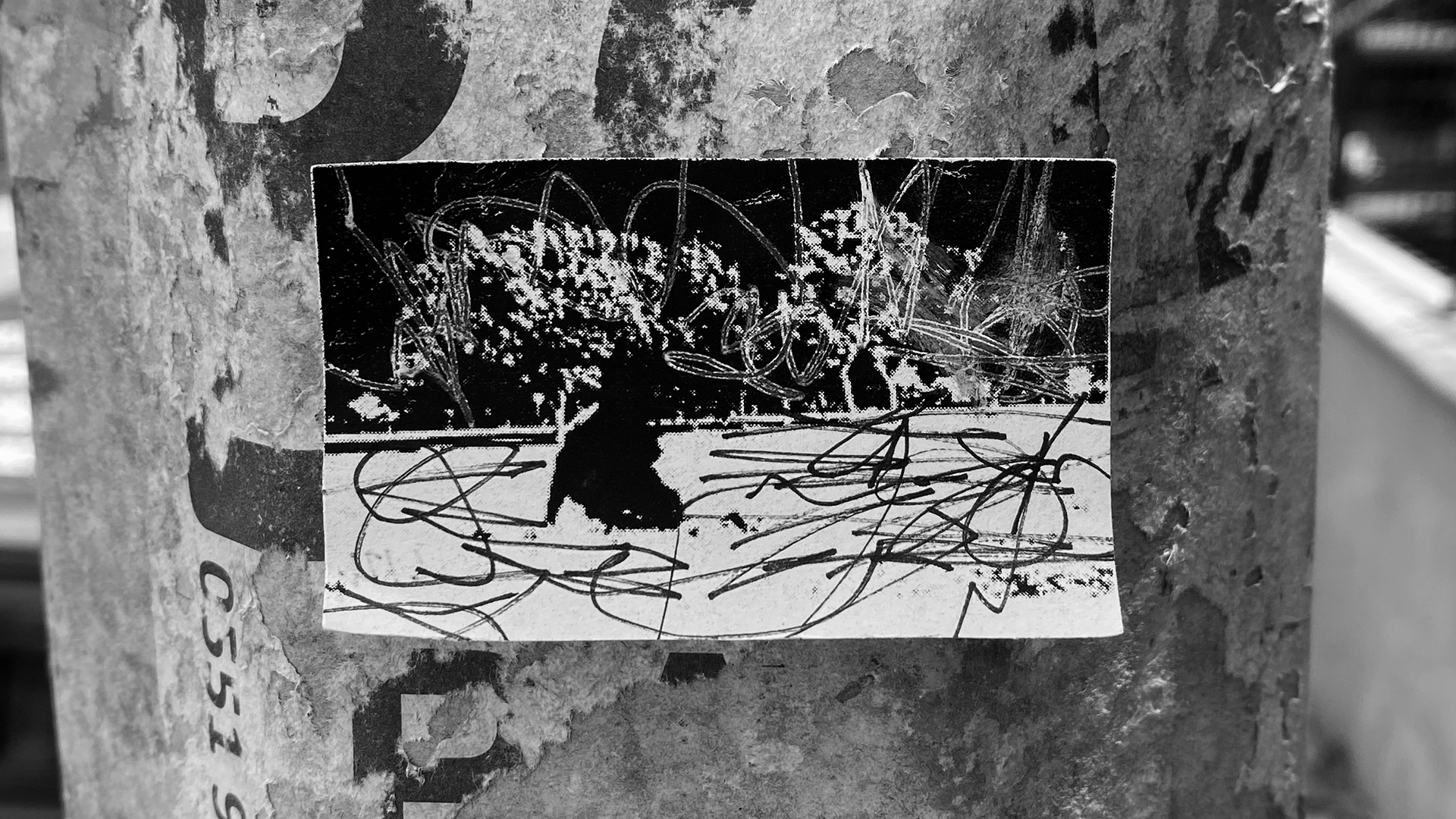
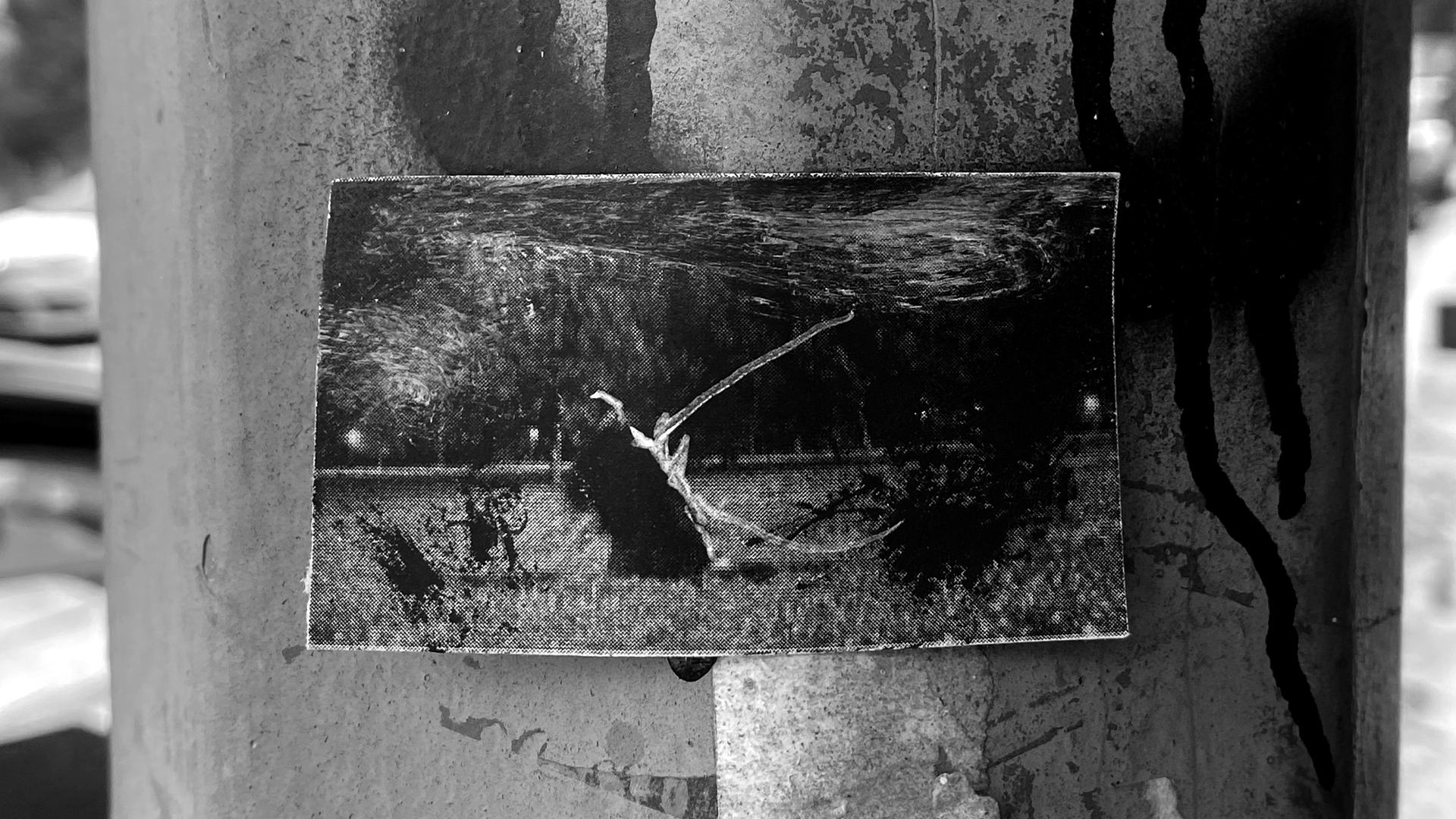
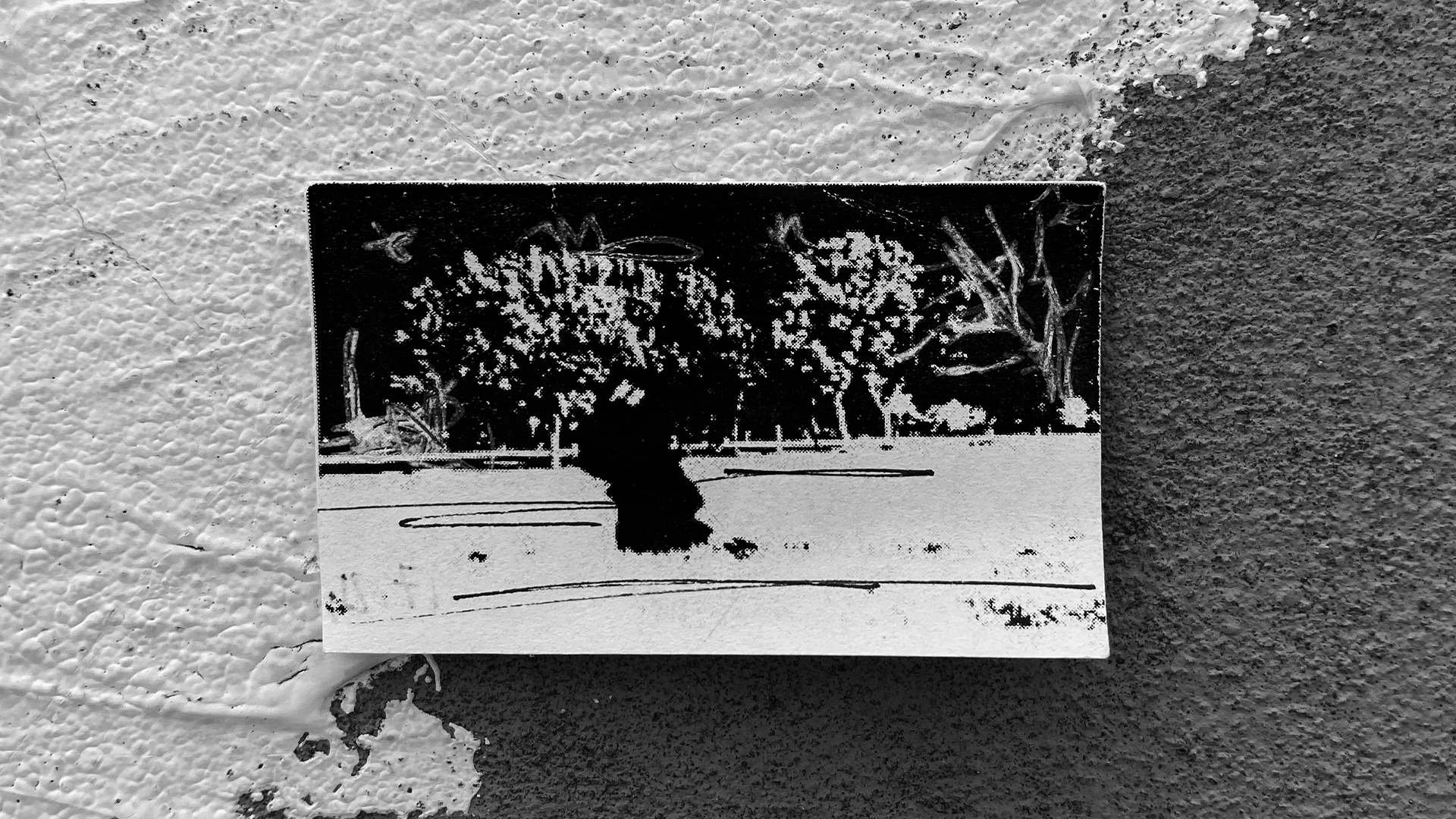
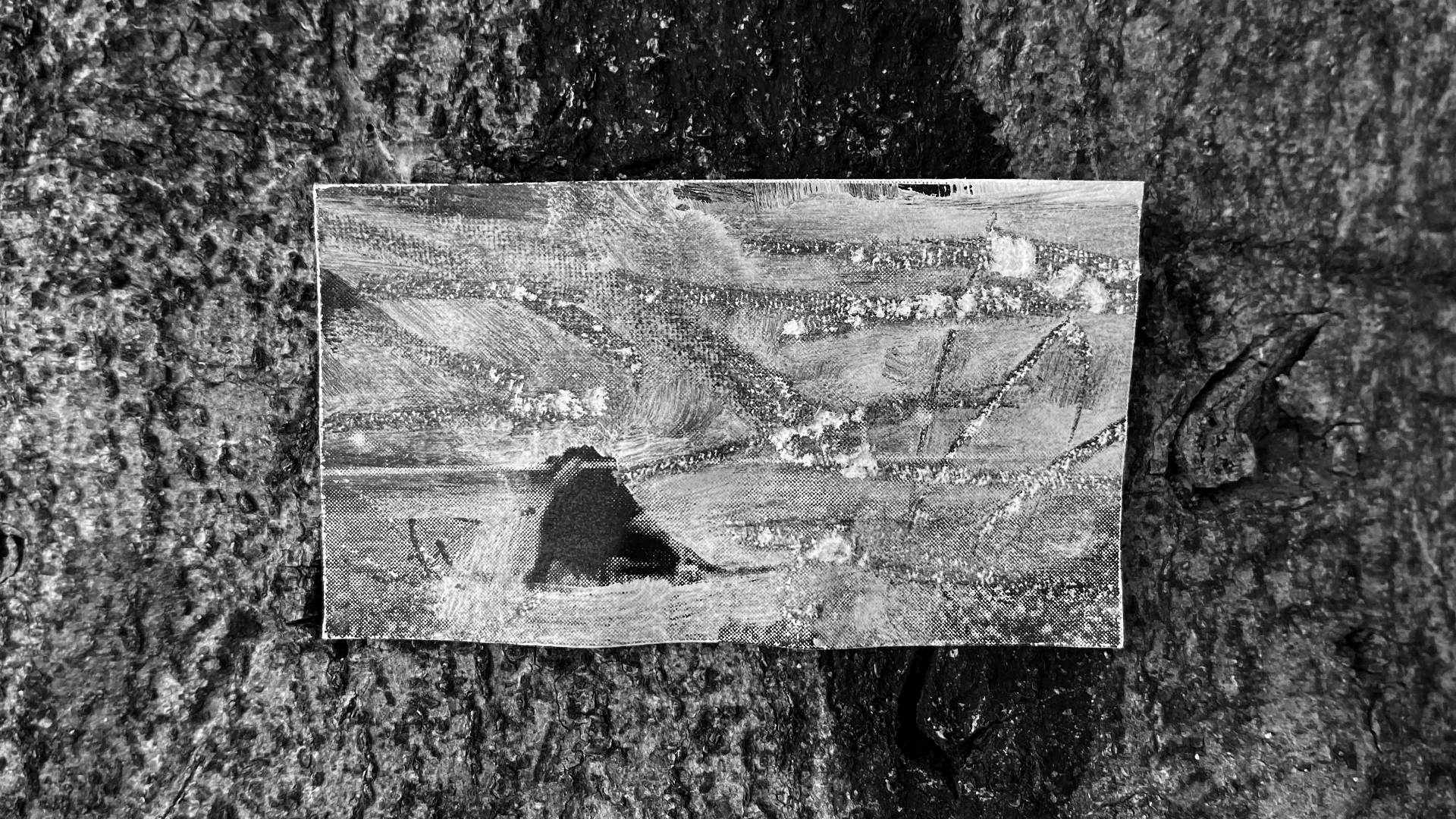
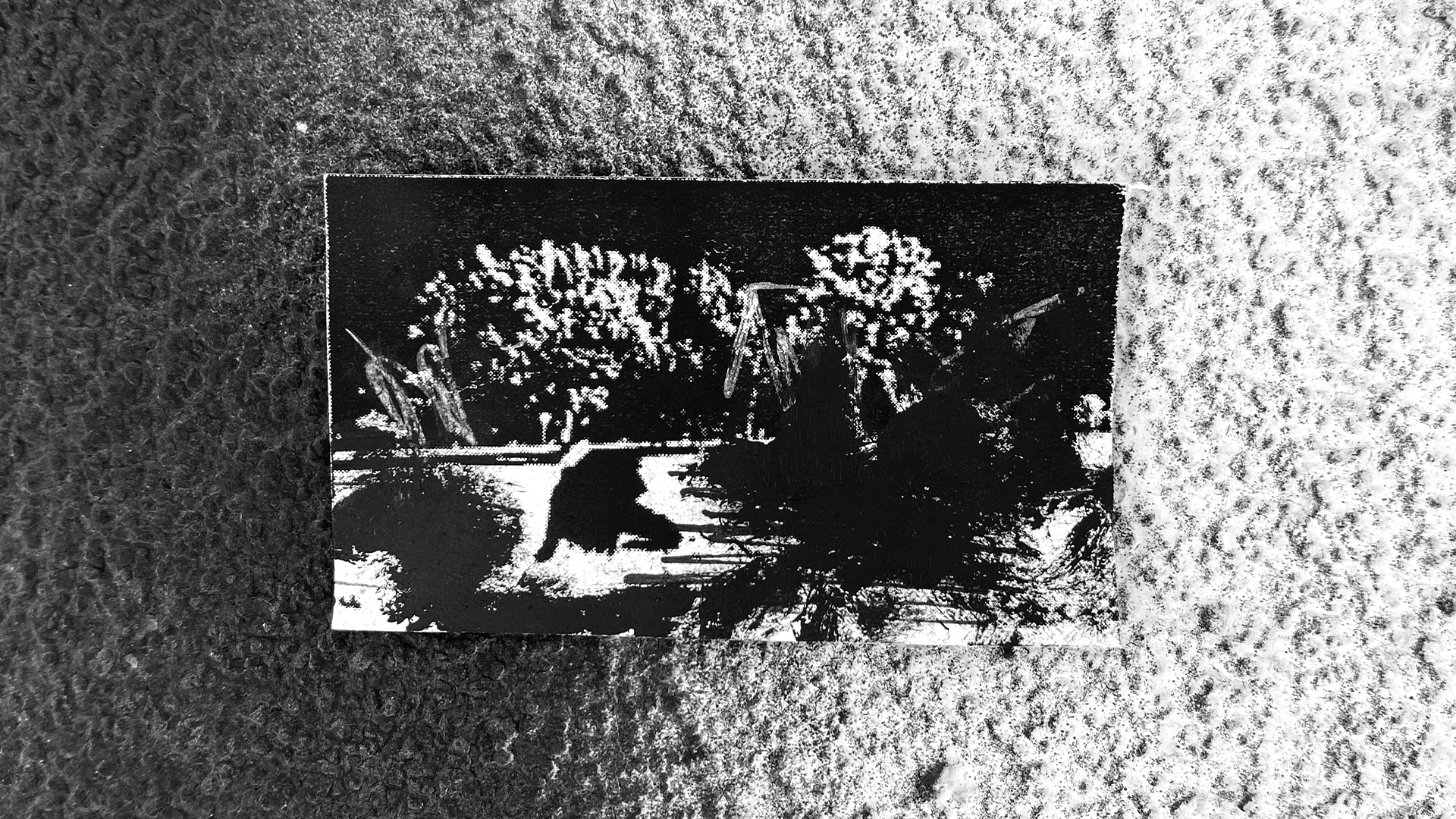
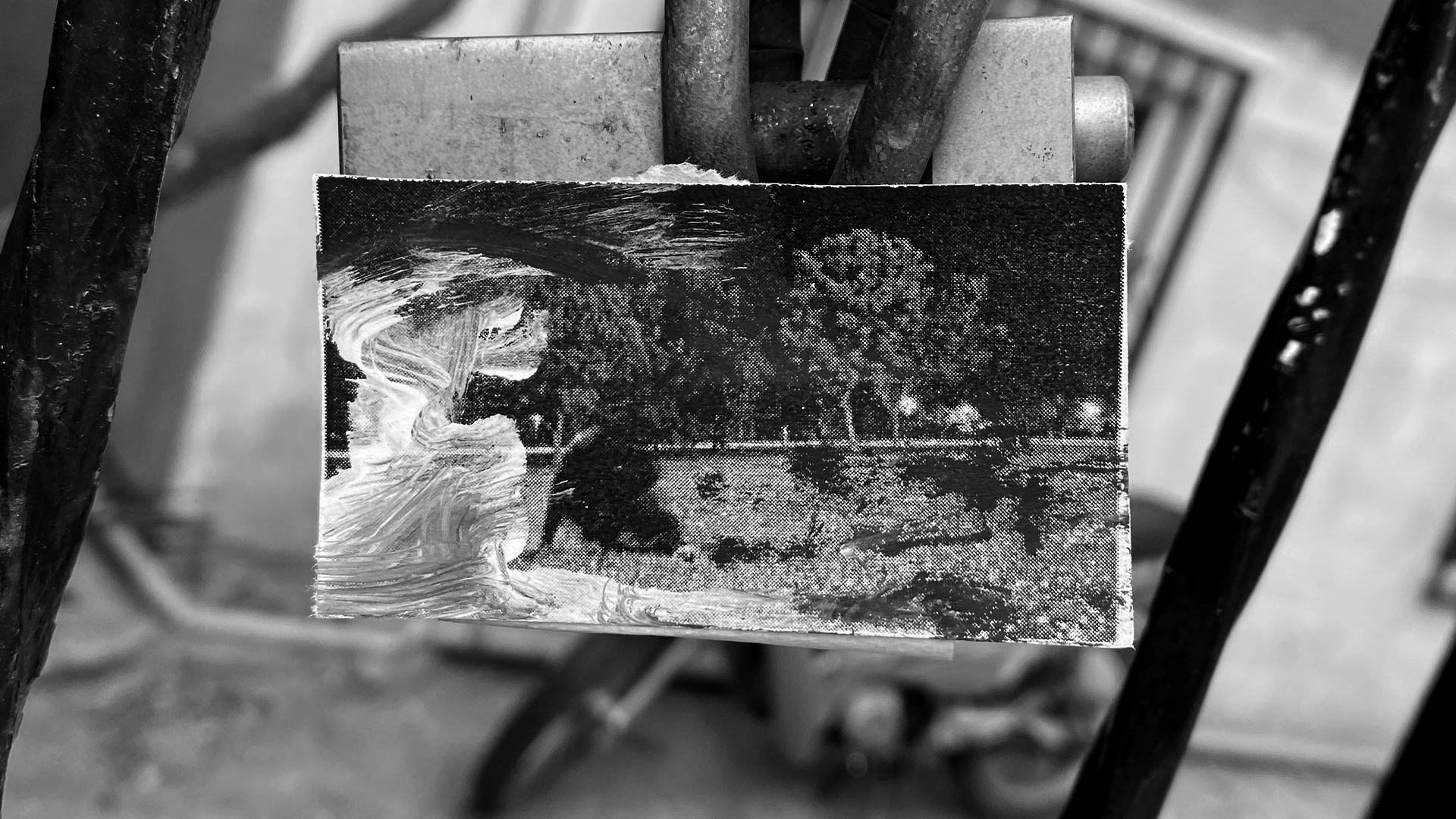
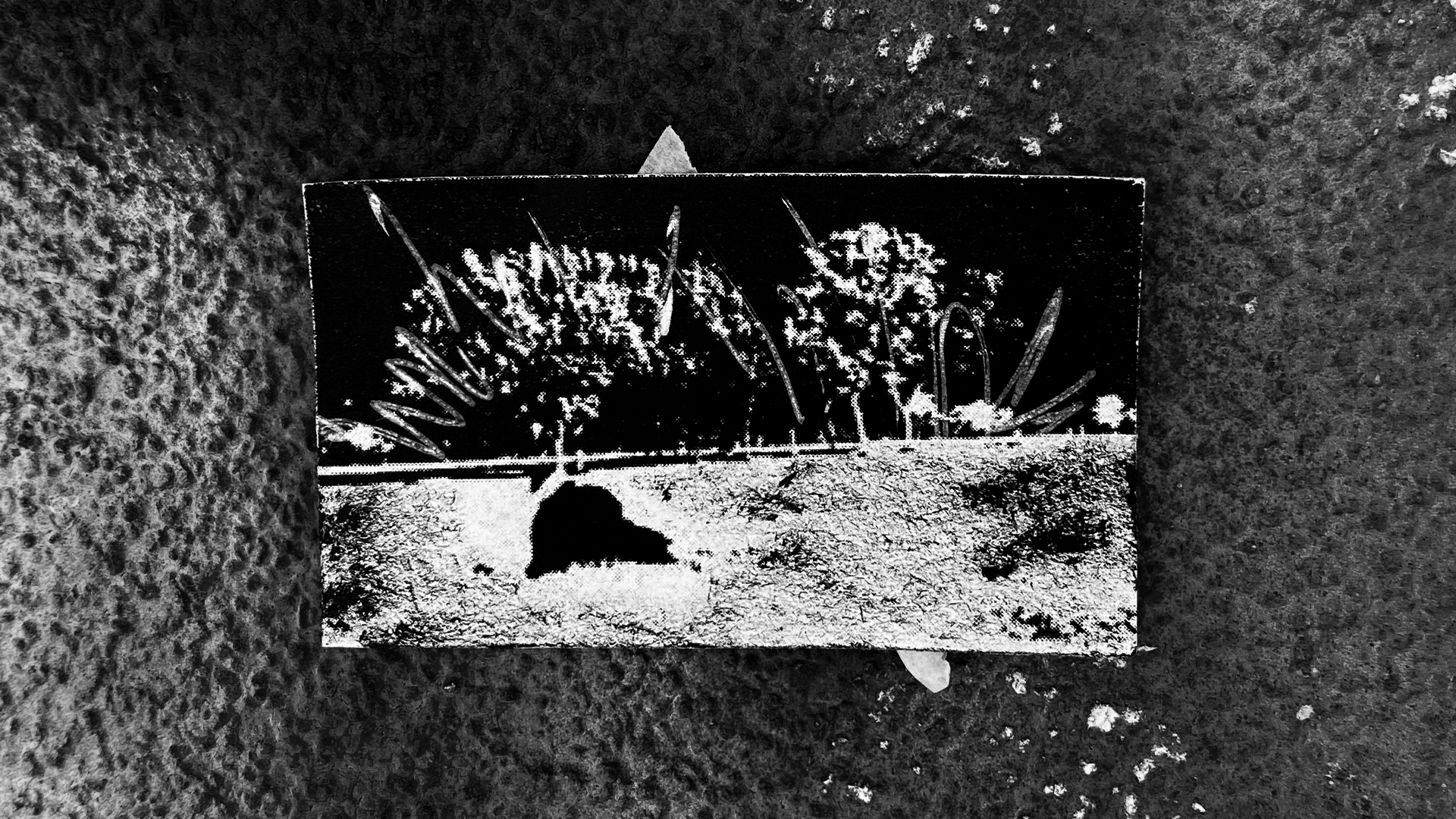
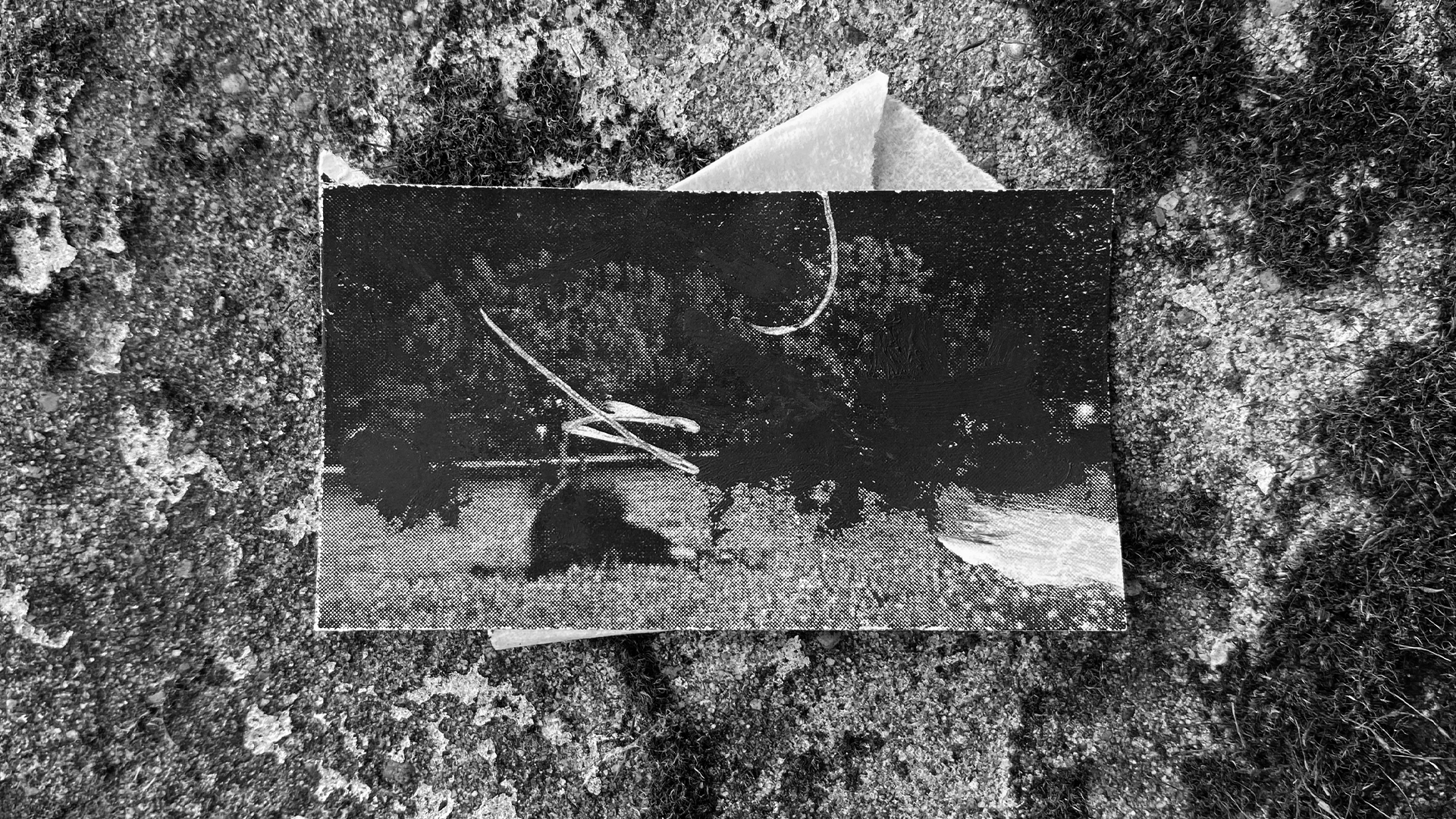
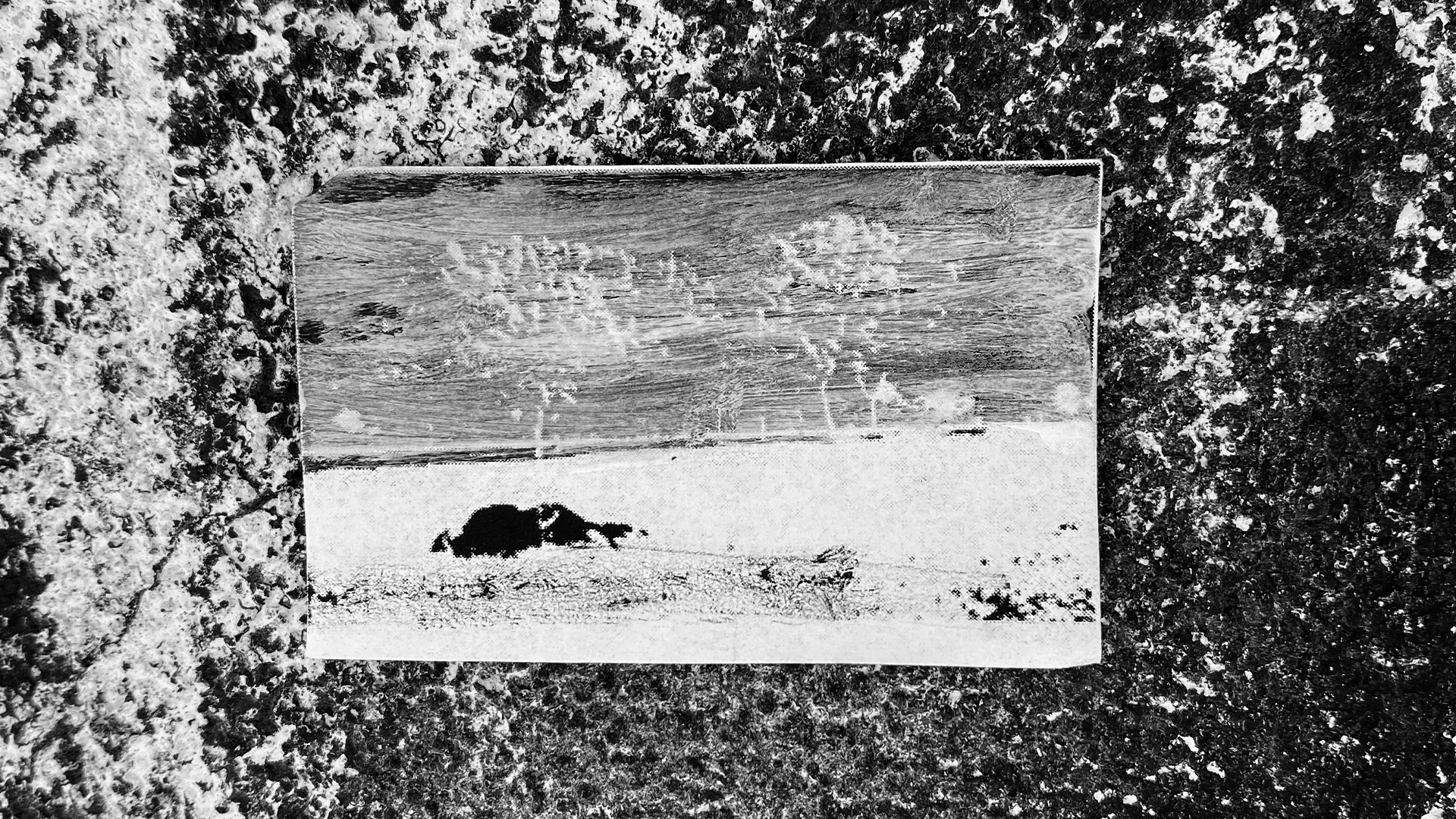
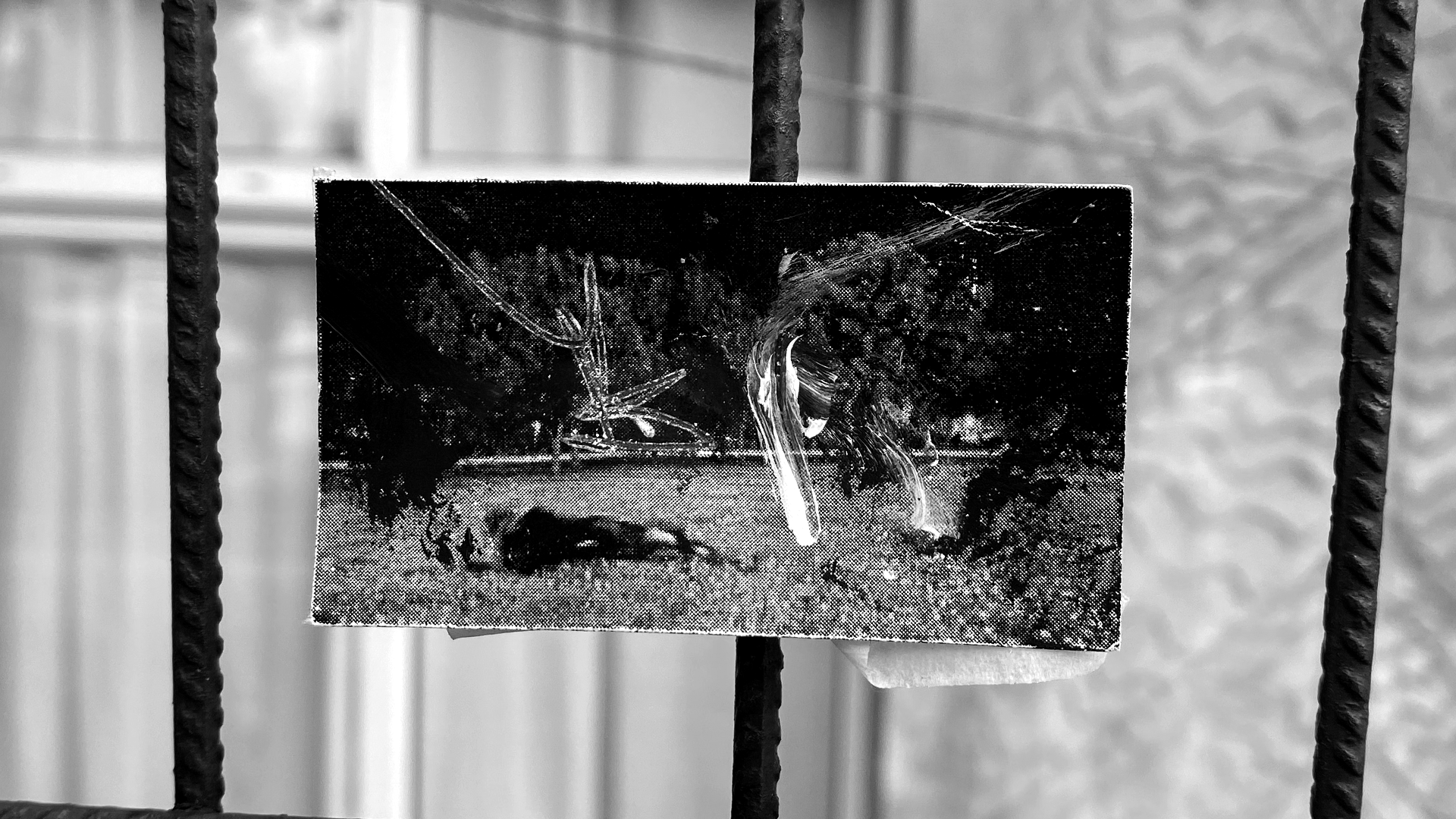
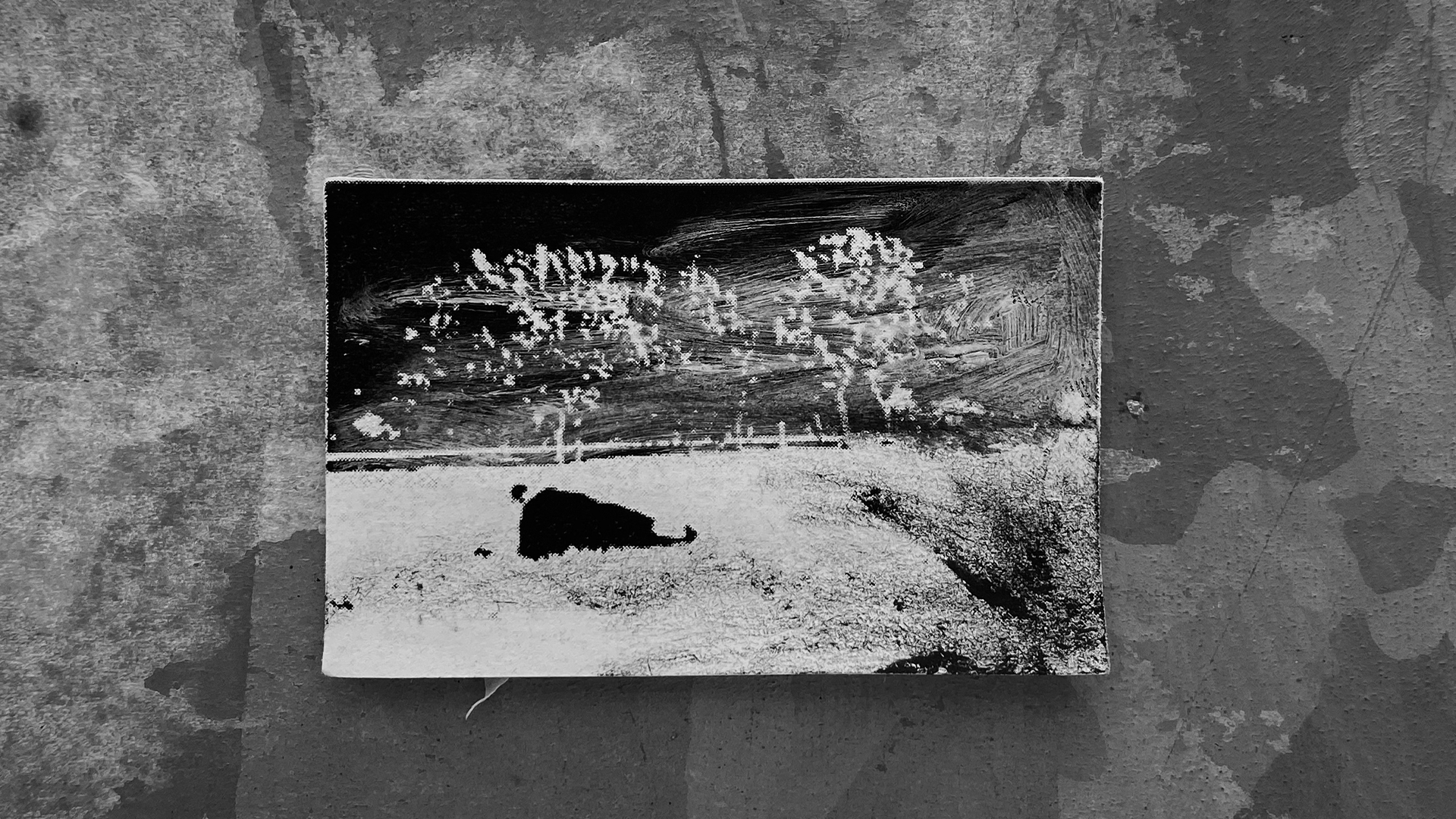
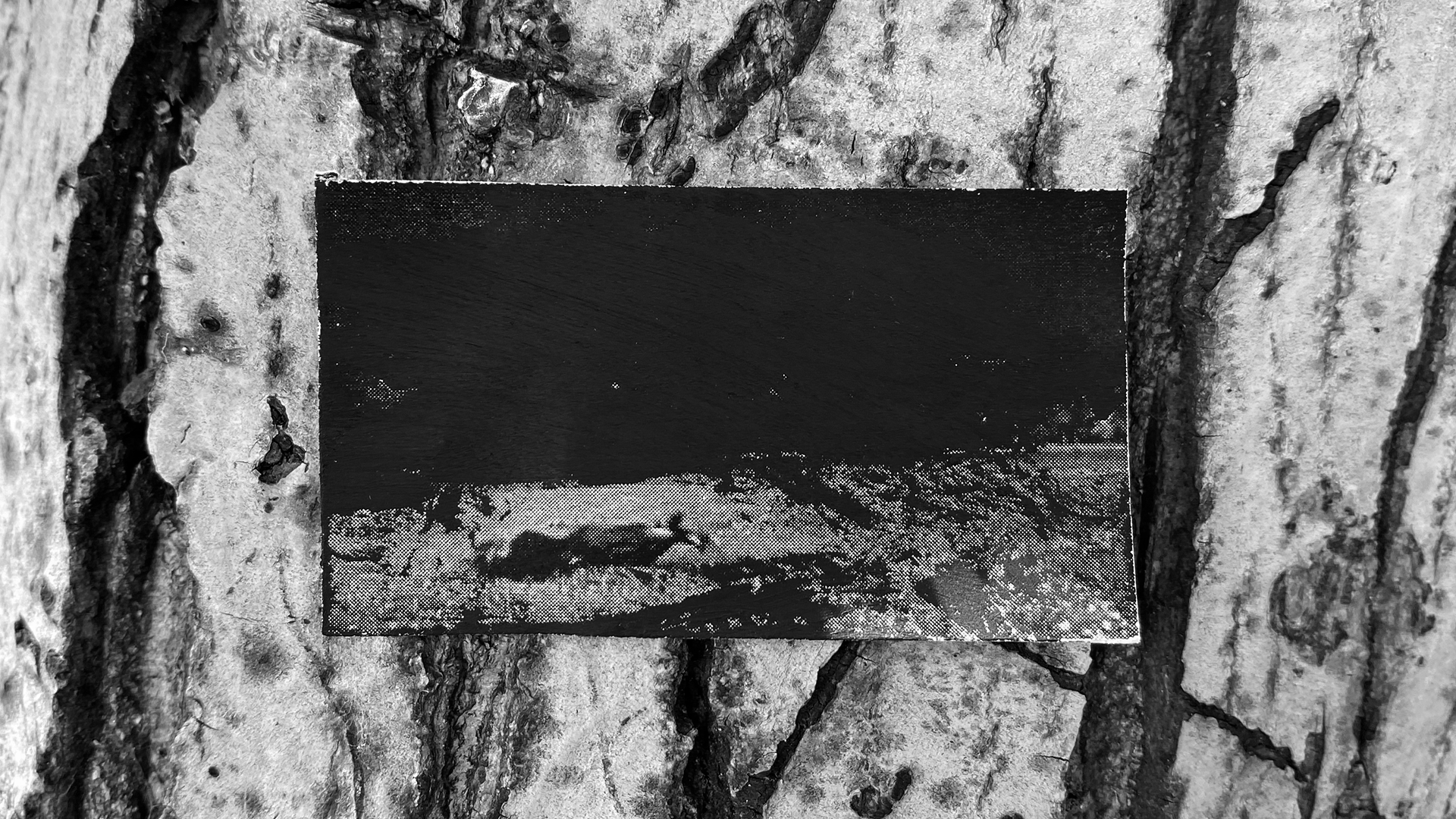
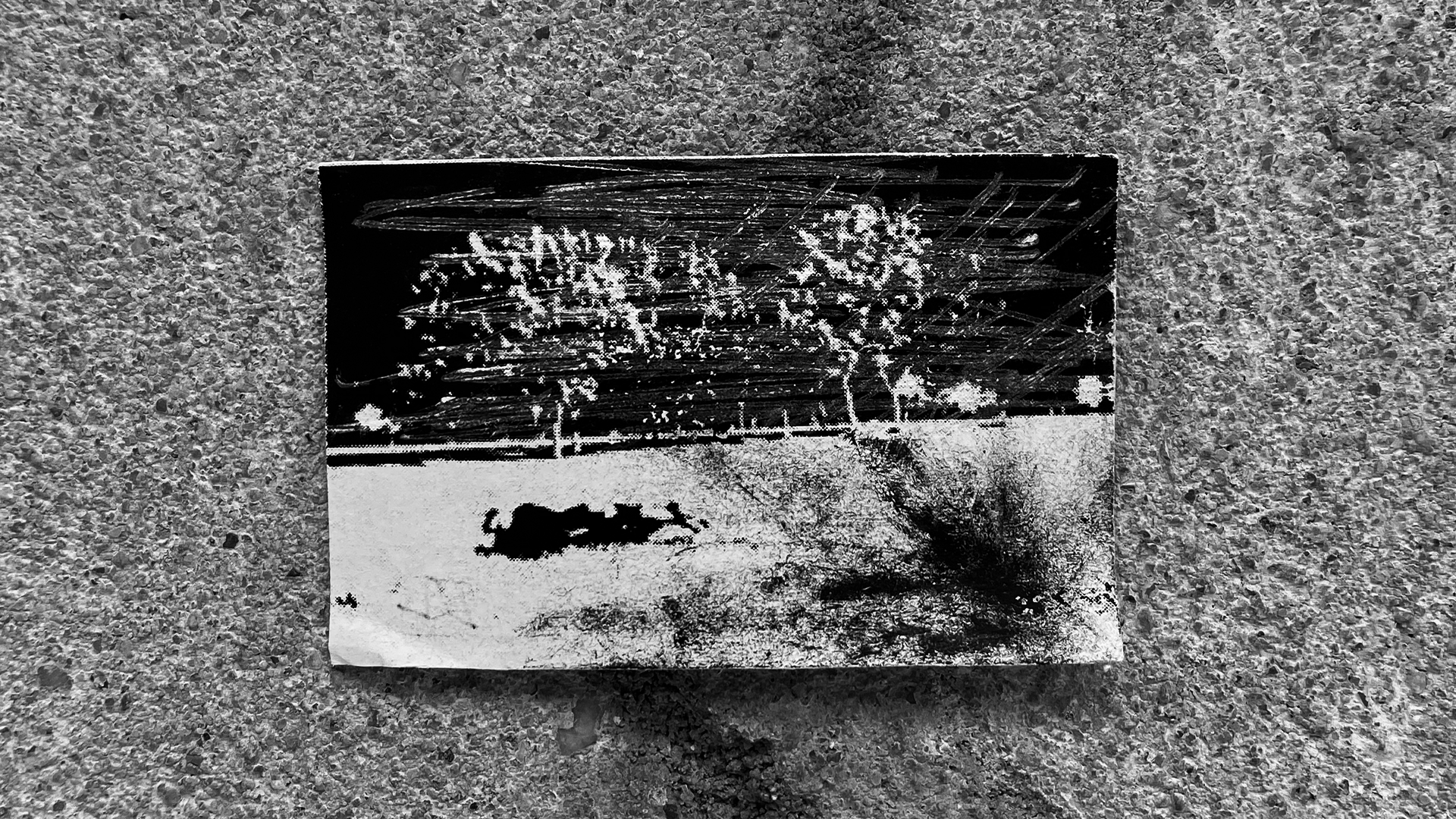
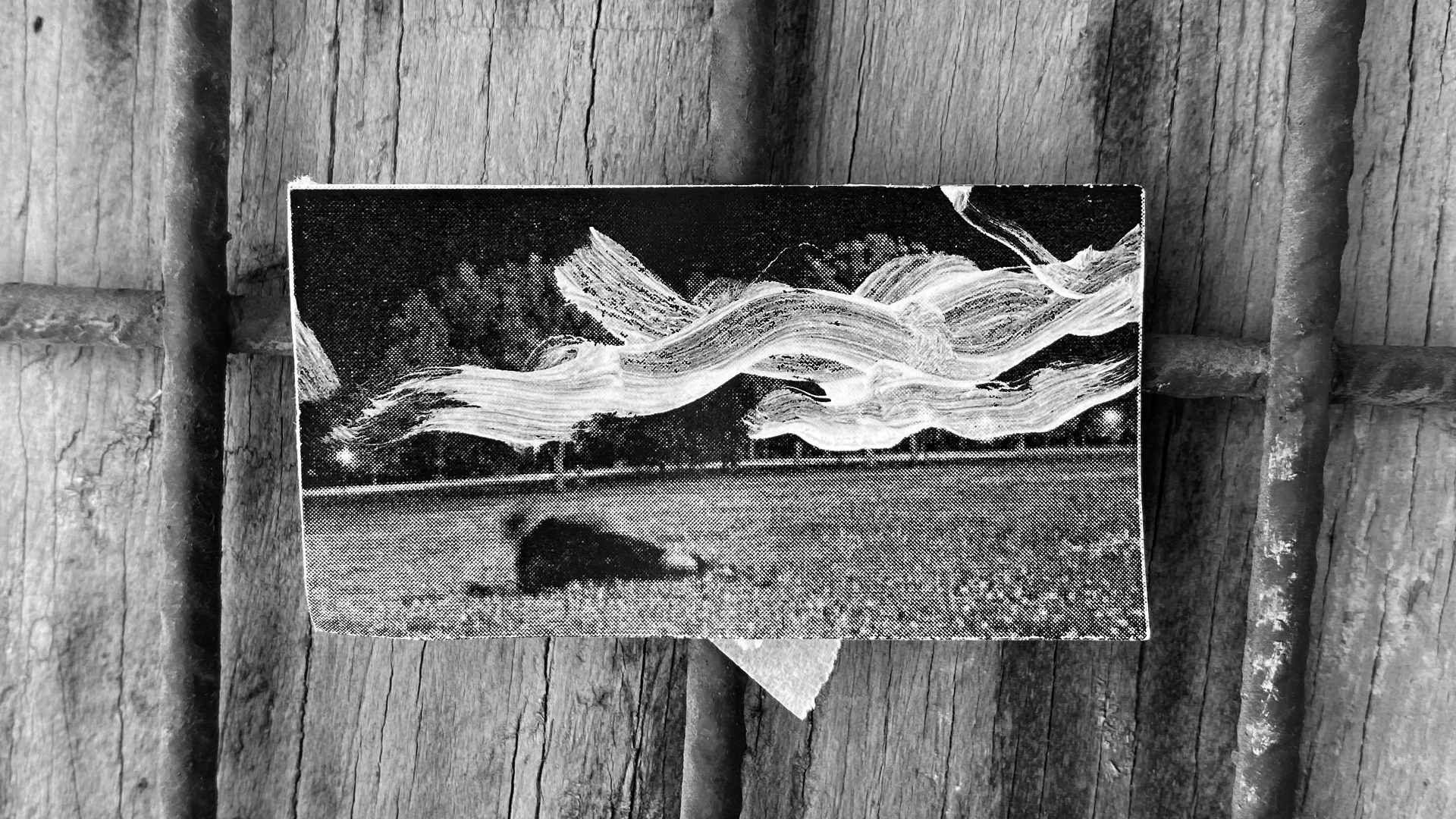
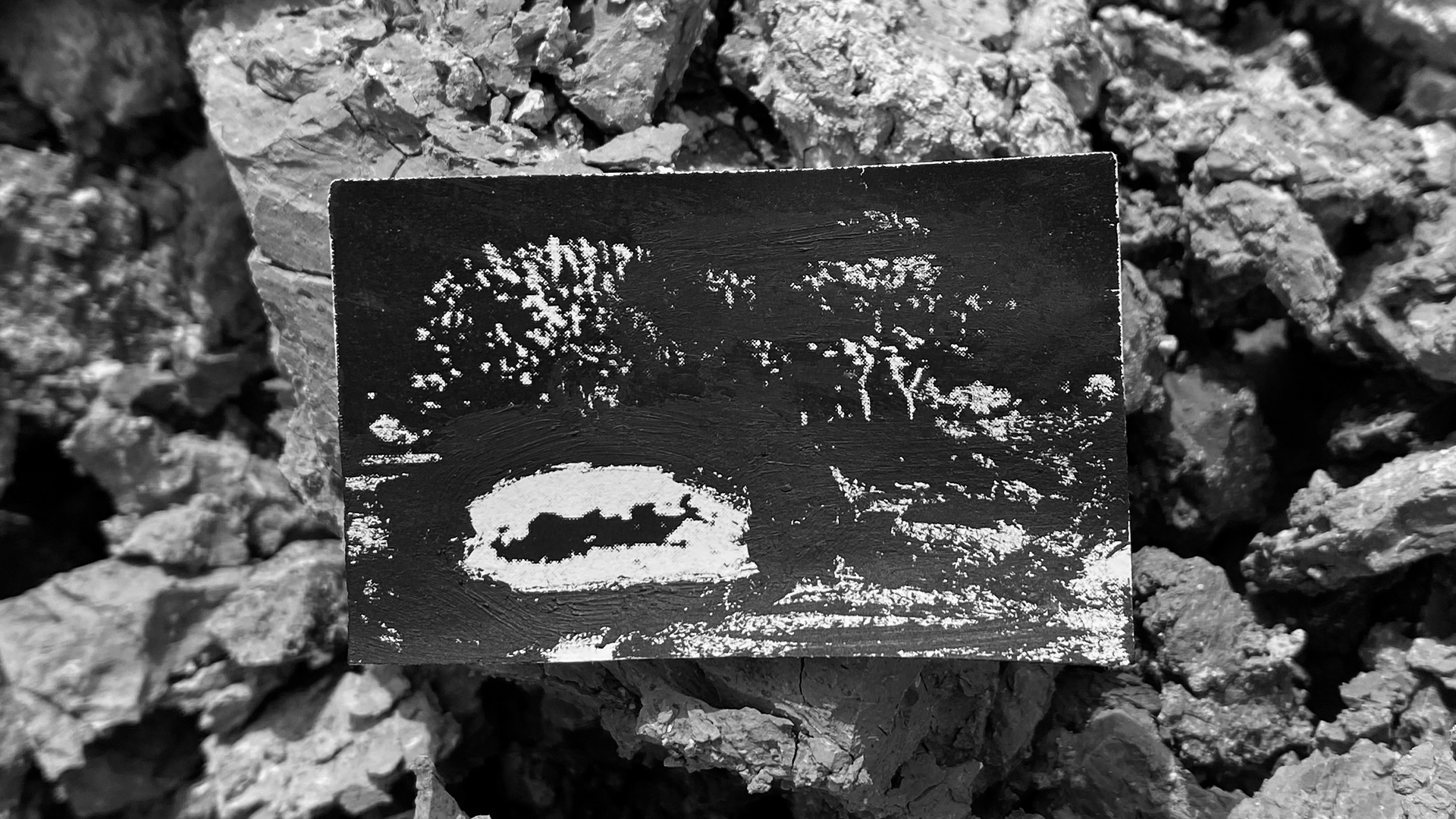
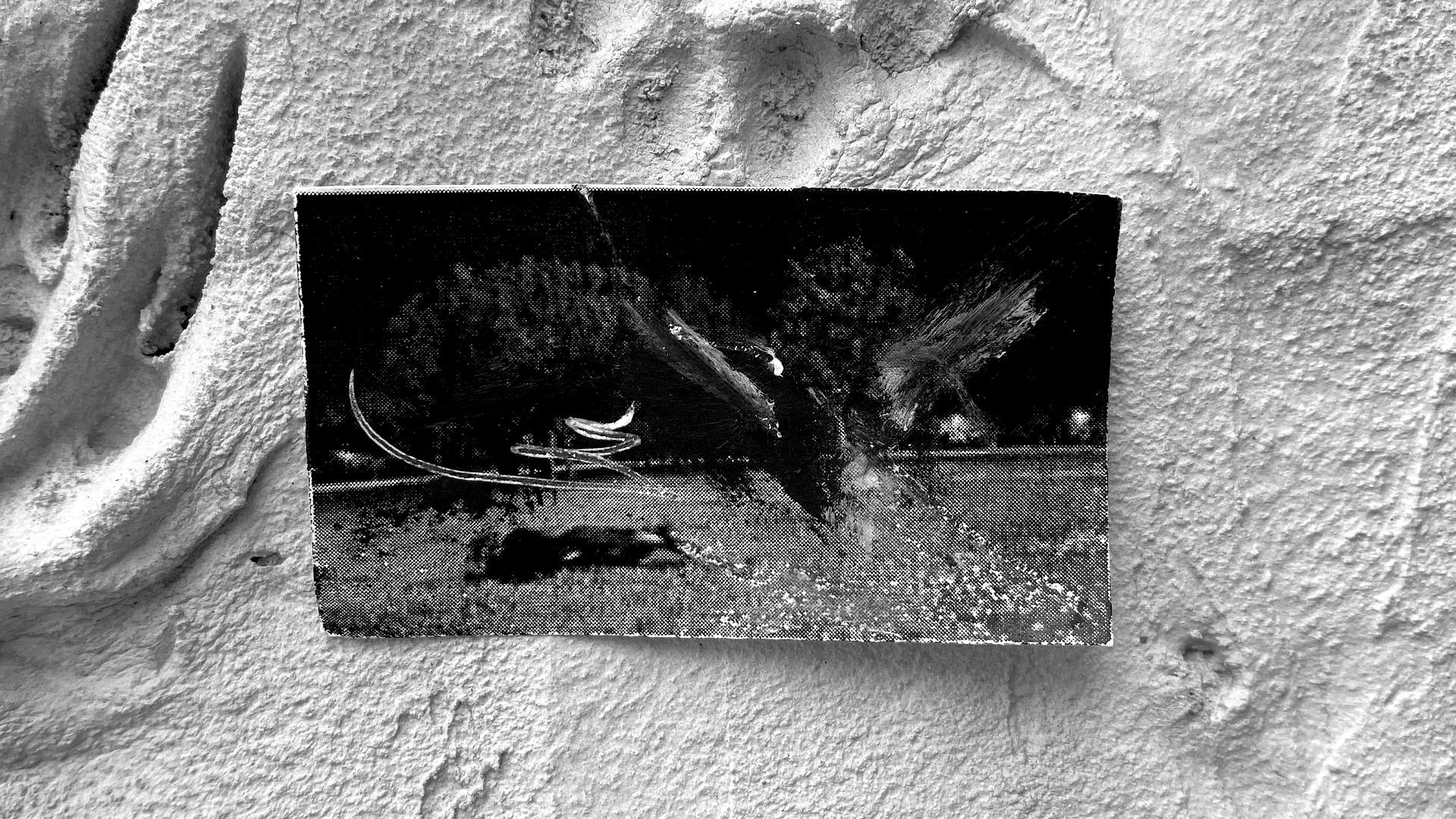
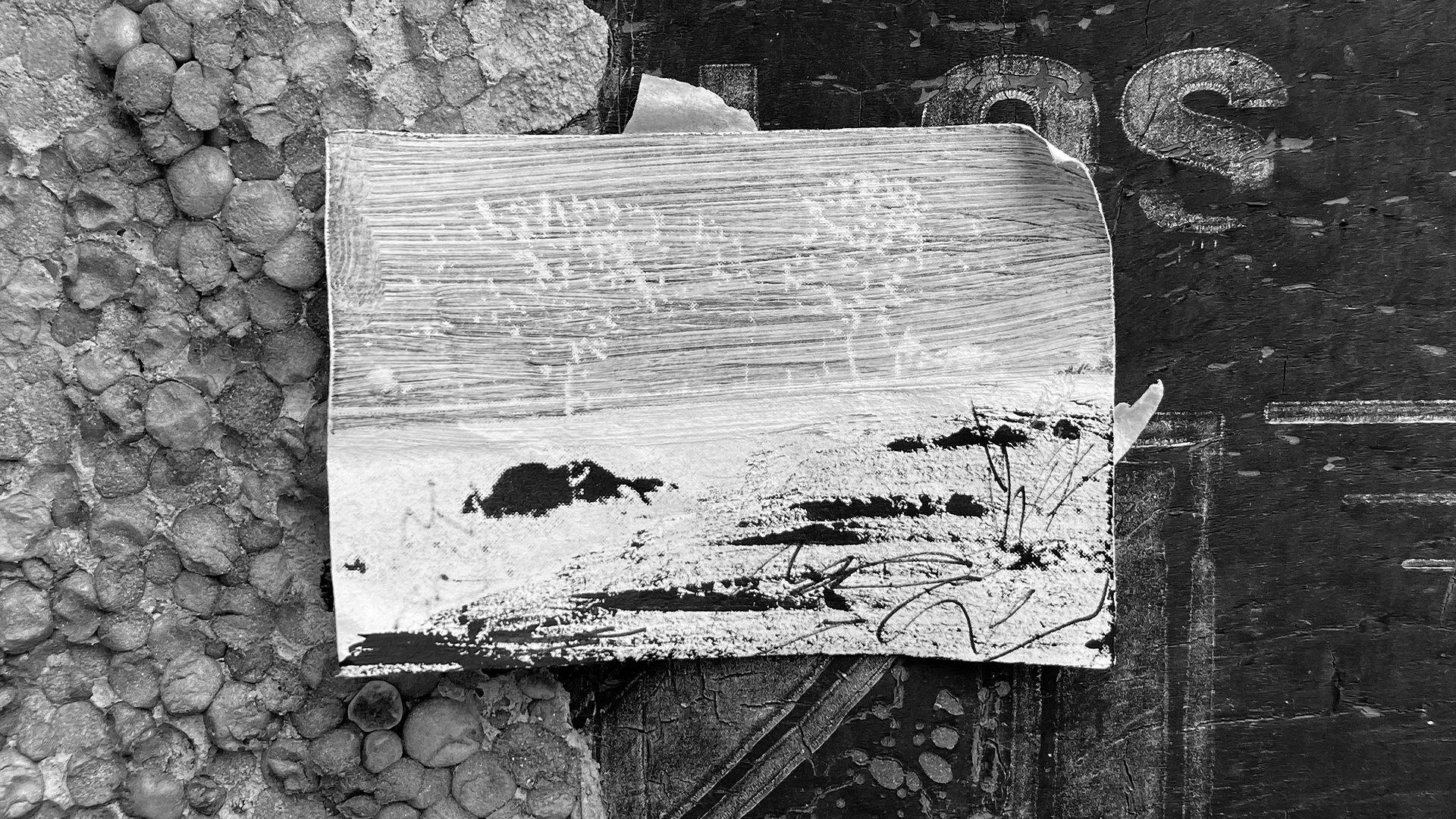
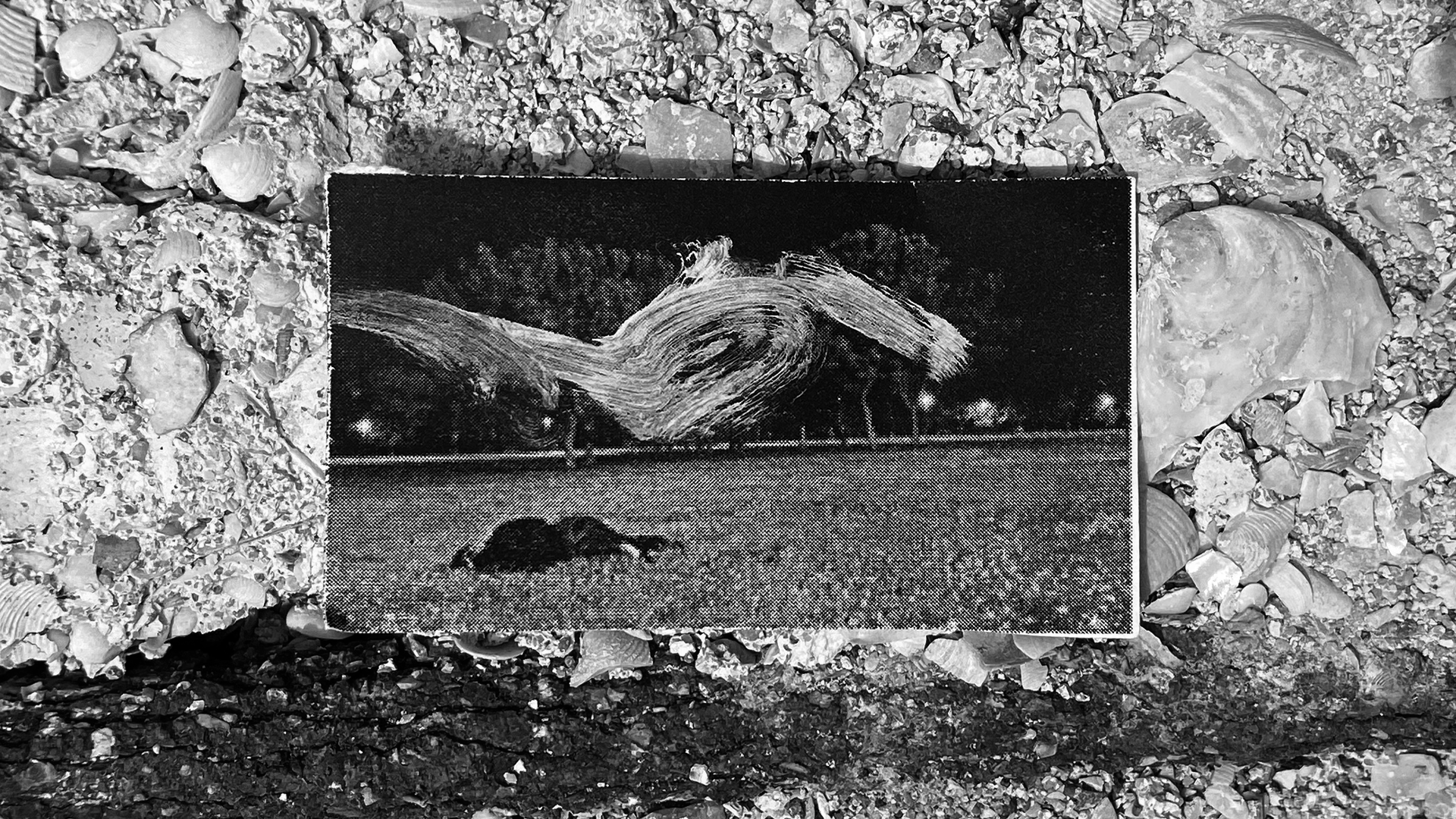
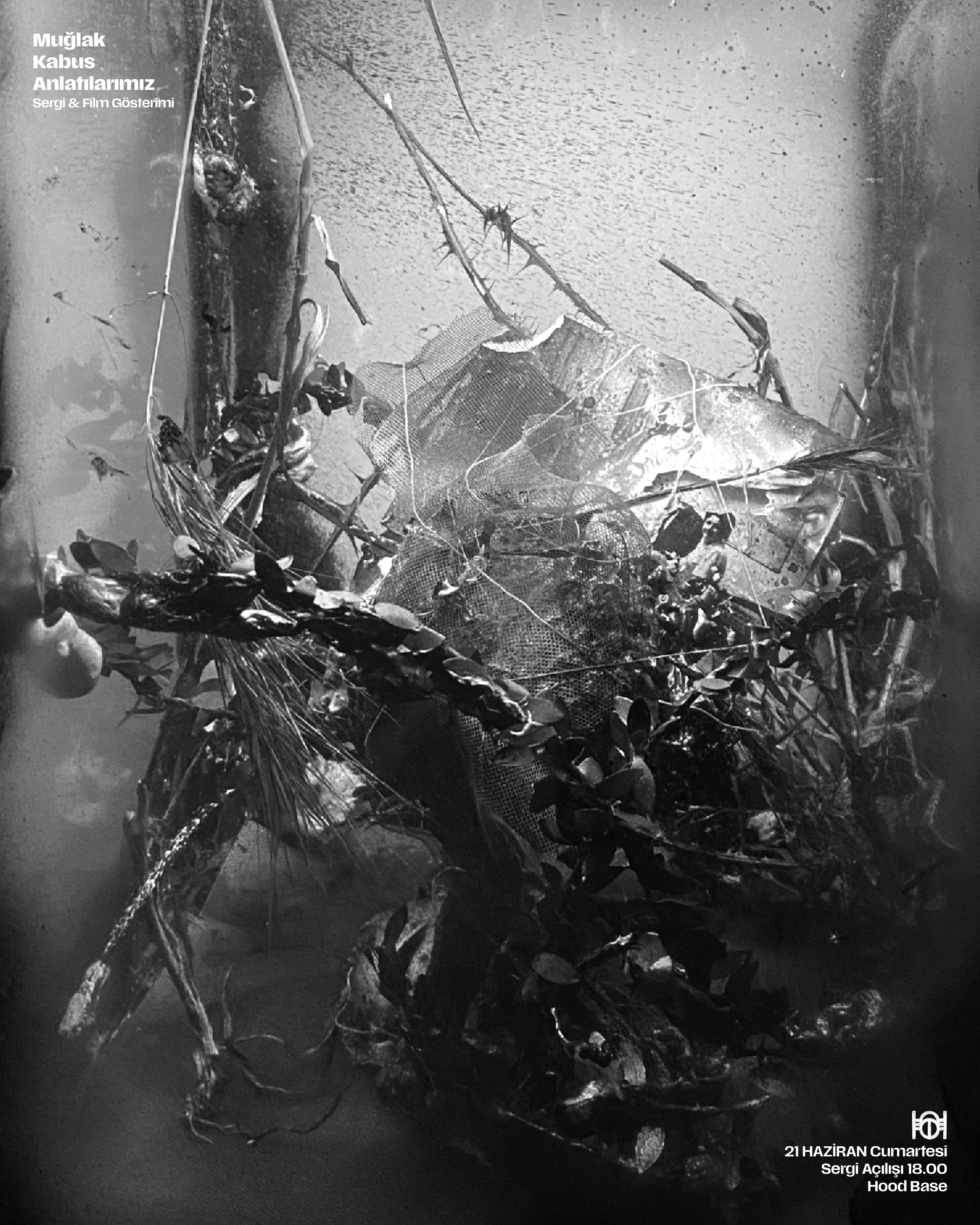
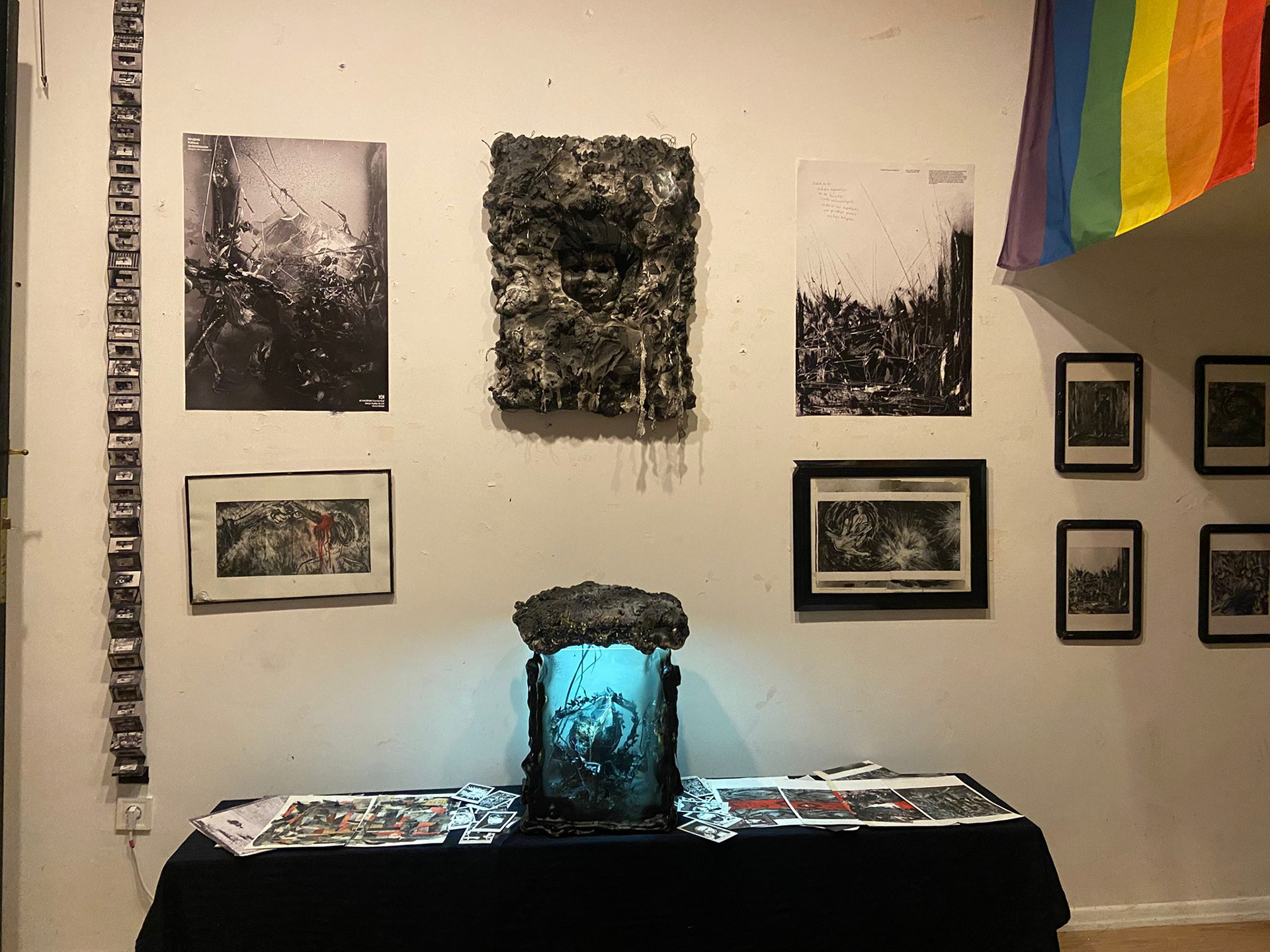
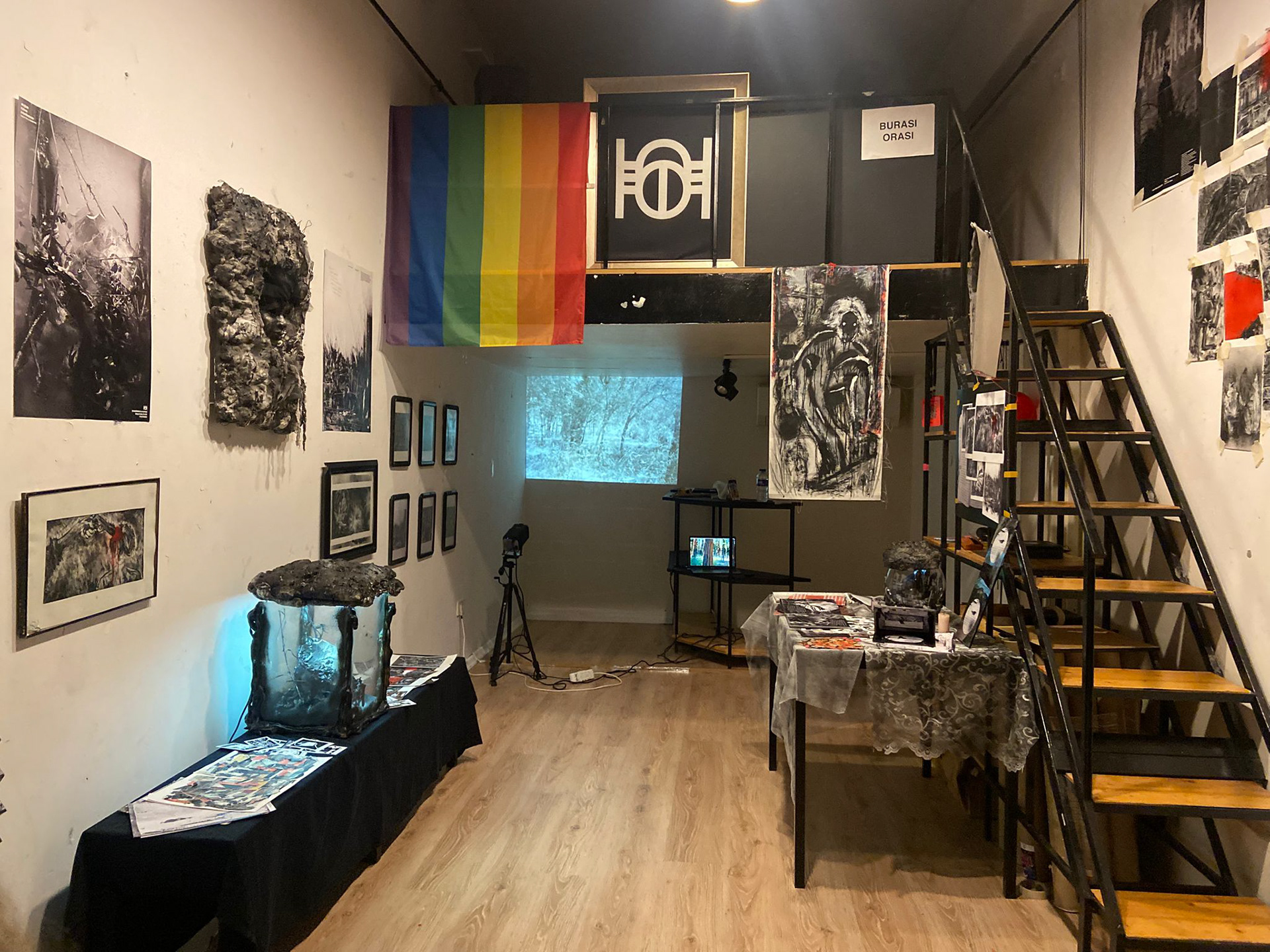
The exhibition and installation components of the project were shaped around the idea of constructing new narratives out of fragments of memory that are incomplete, forgotten, or never documented at all. Found photographs, biological remnants, altered objects, and collages were used as materials that evoke both traces of the past and the ambiguous space of dreams. The aim of these works was to confront the viewer not with a familiar story or a definitive interpretation, but with images rising from darkness and constantly transforming.
The installations engaged with the physical qualities of the space, rejecting any fixed or stable narrative structure. Light sources, transparent surfaces, and temporary arrangements created an atmosphere that guided the viewer’s gaze while also leaving them in a state of ongoing uncertainty. Collages and interventions made the randomness of found materials visible; fragmented images and disjointed texts subverted the expectation of coherent meaning and opened up new possibilities.
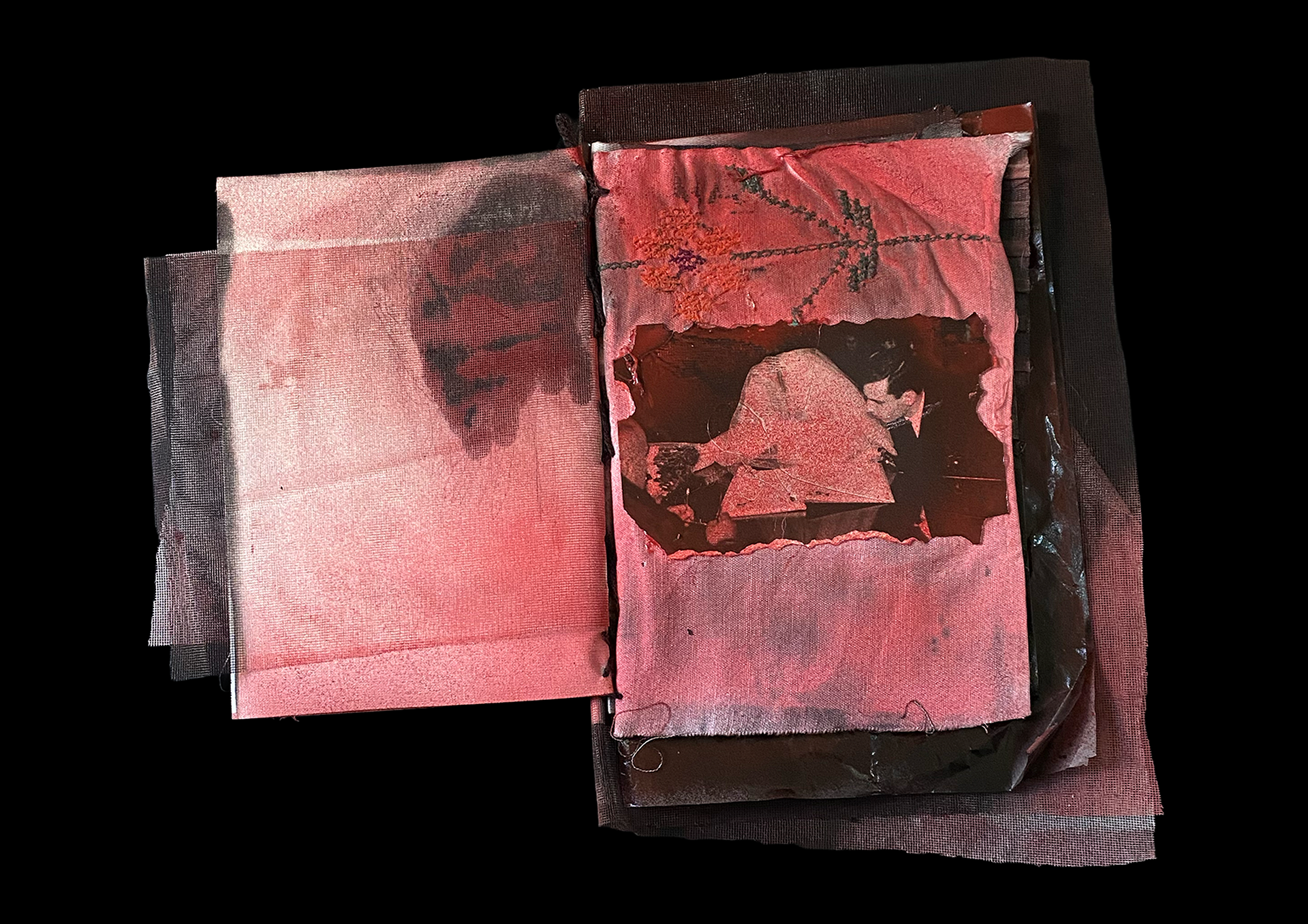
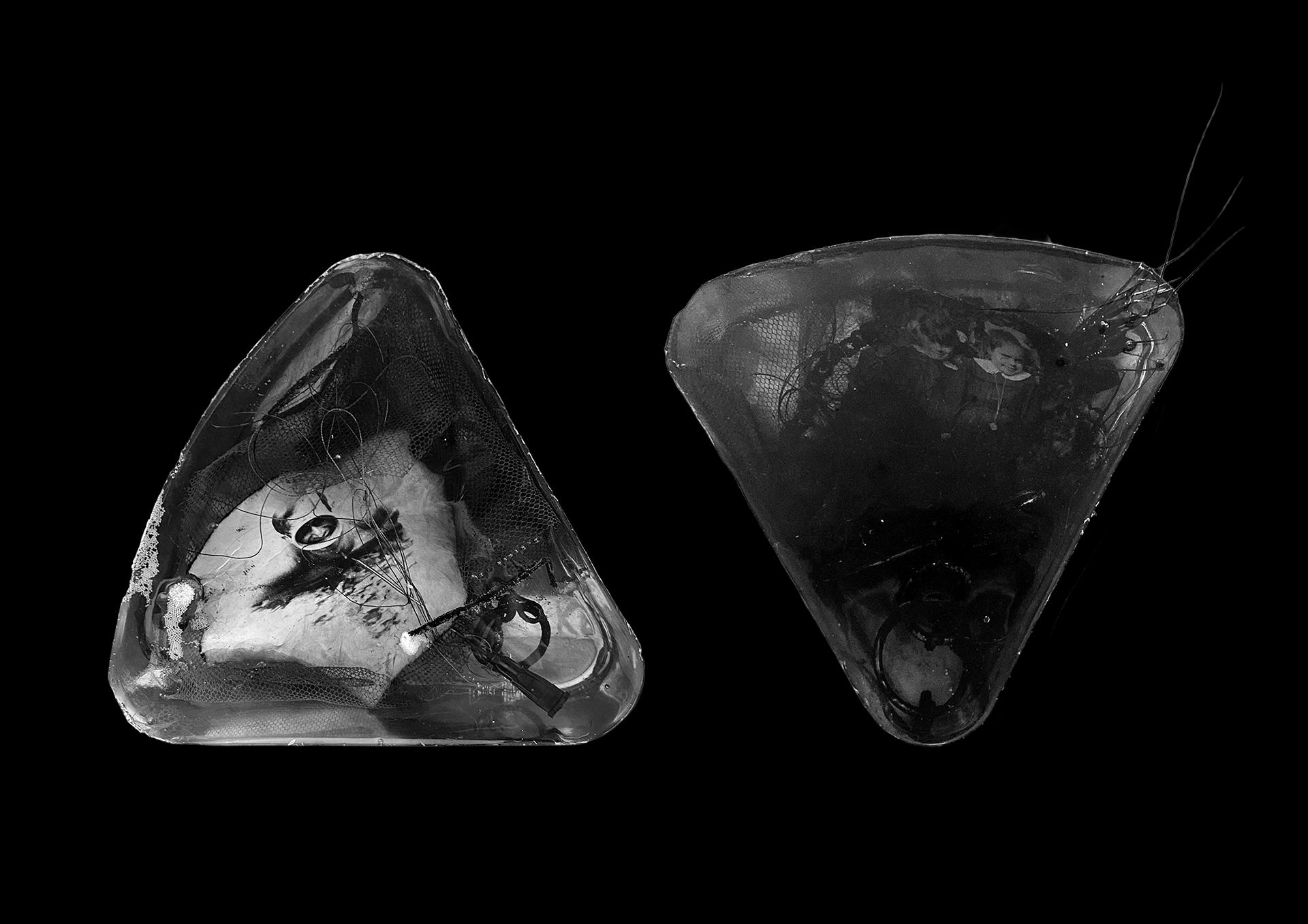
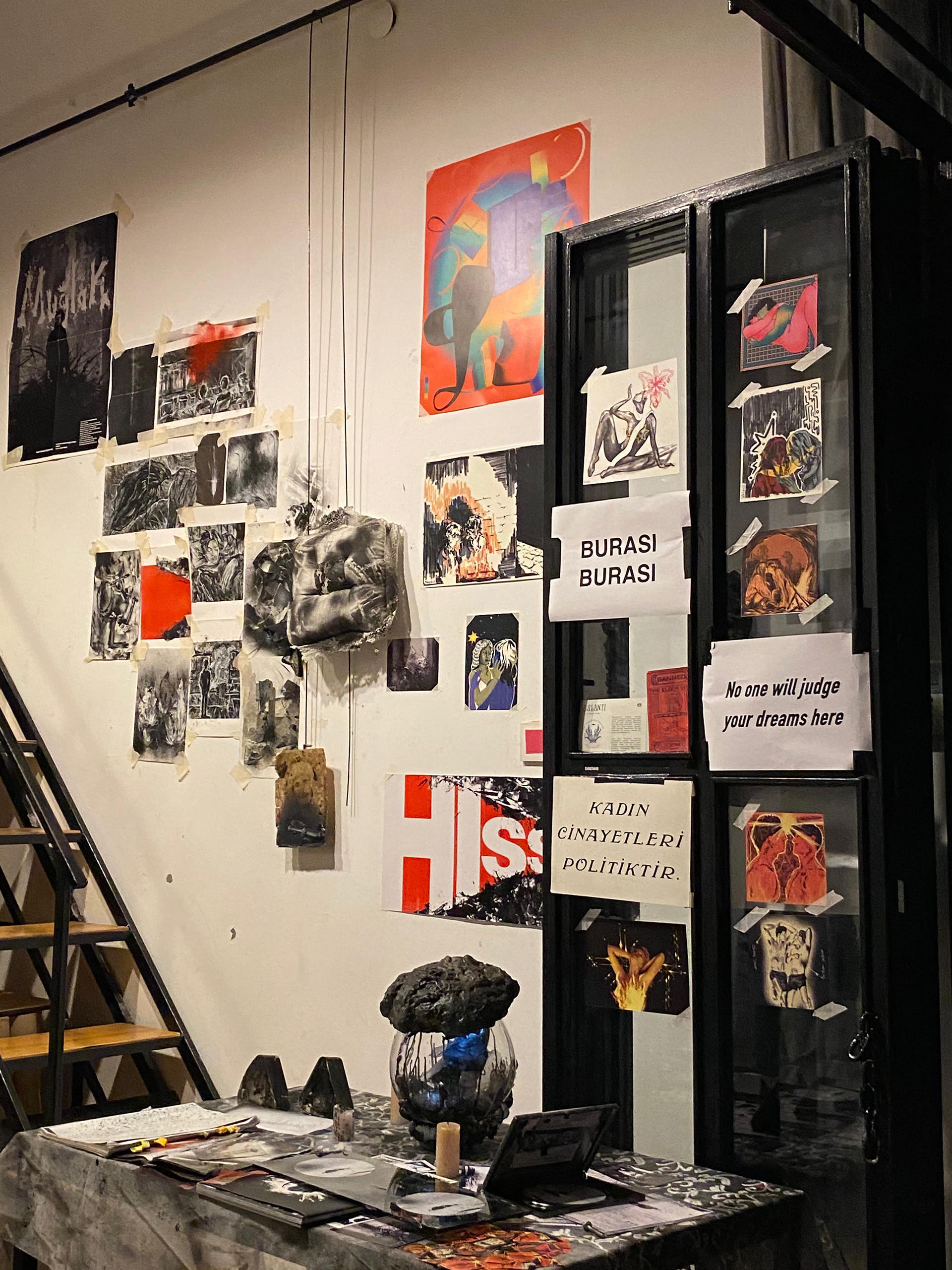
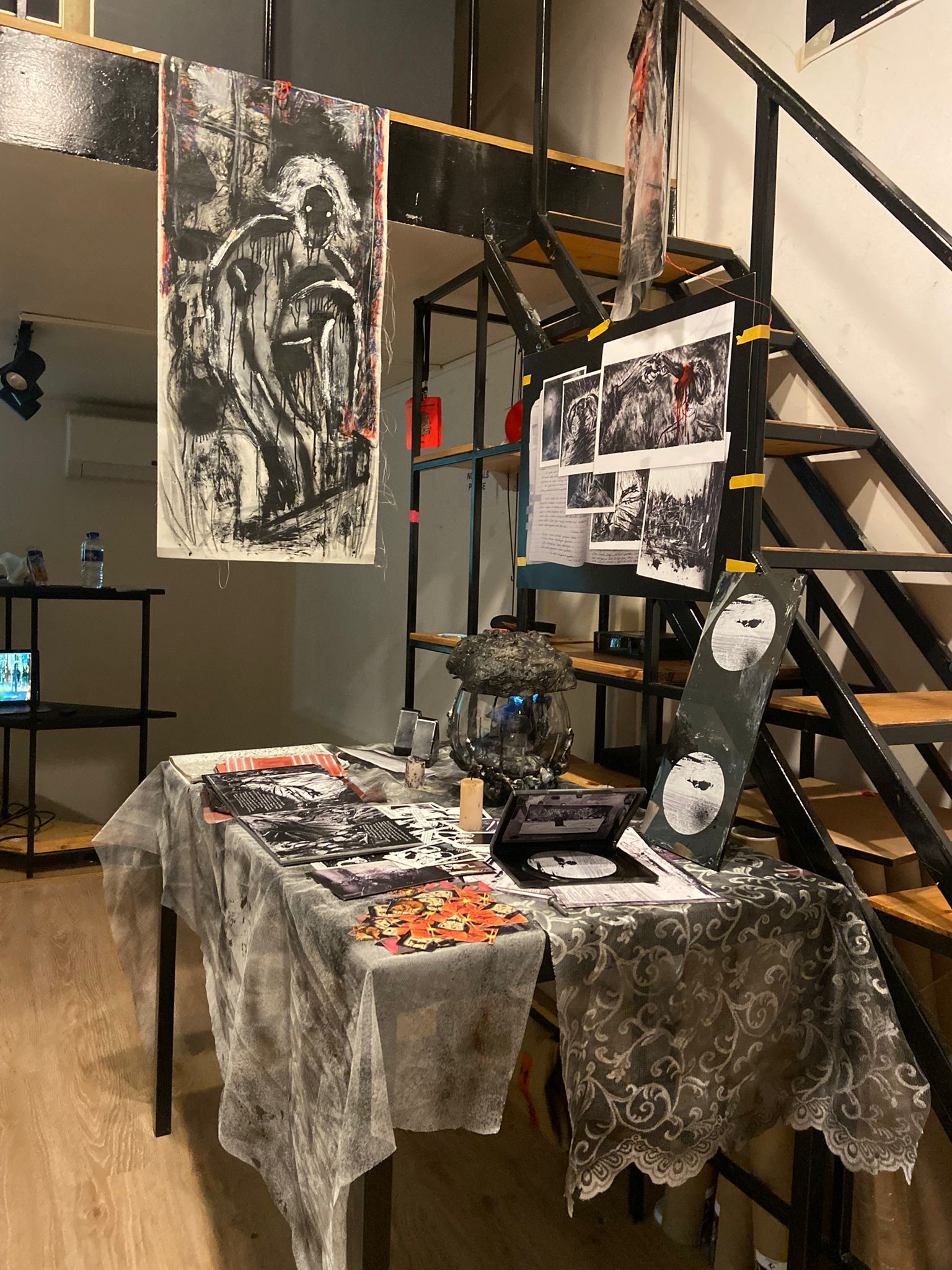
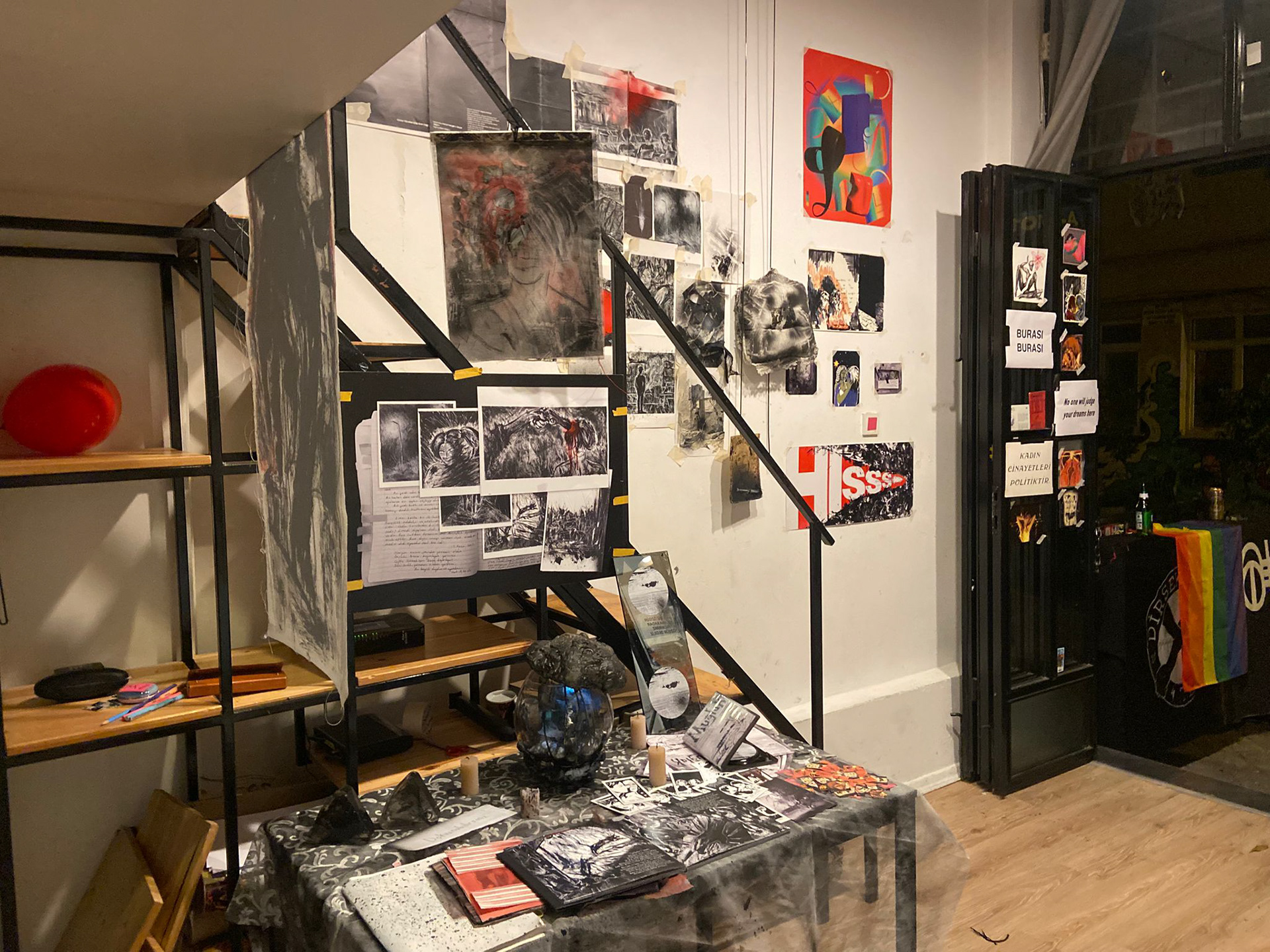
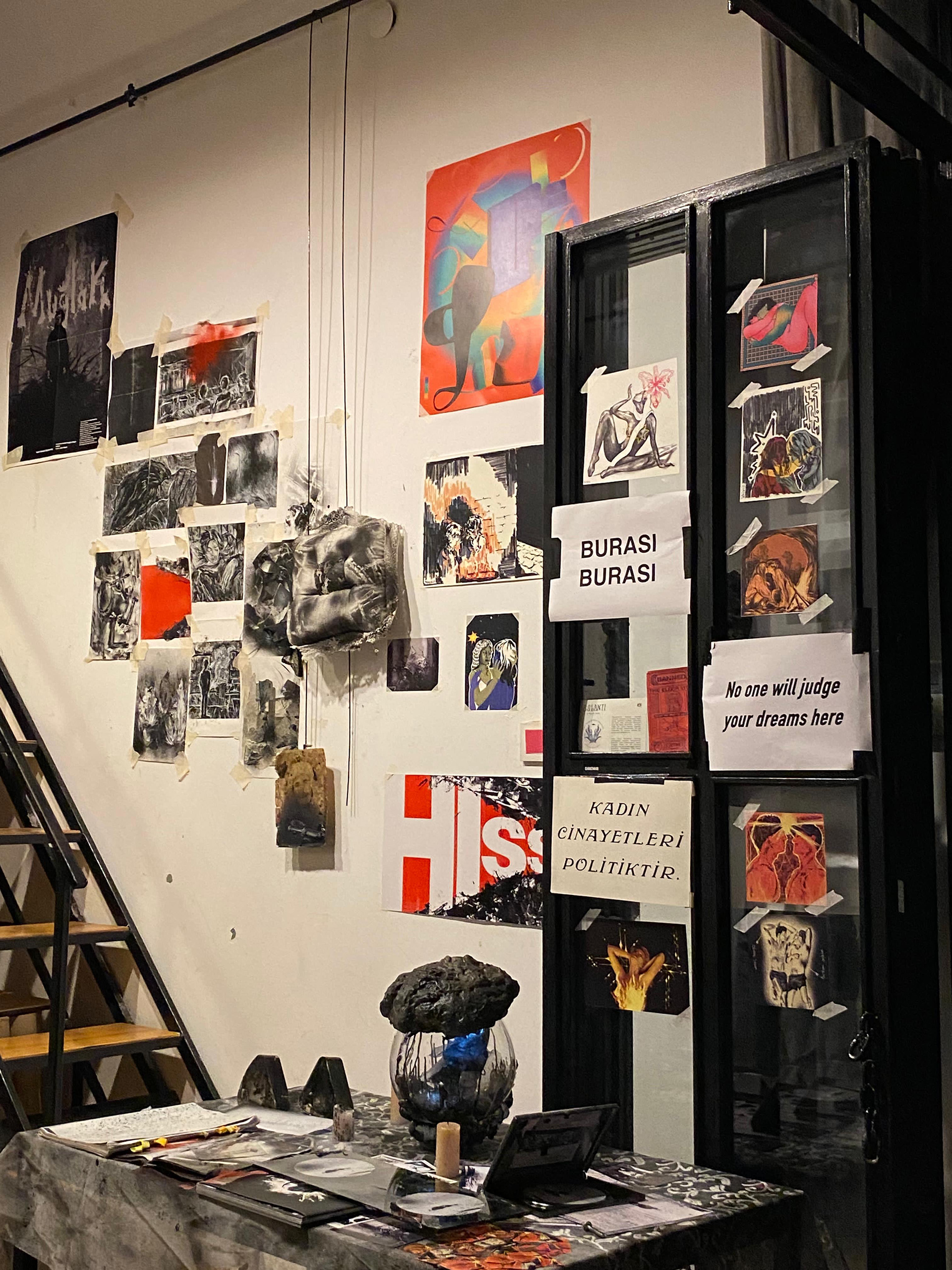
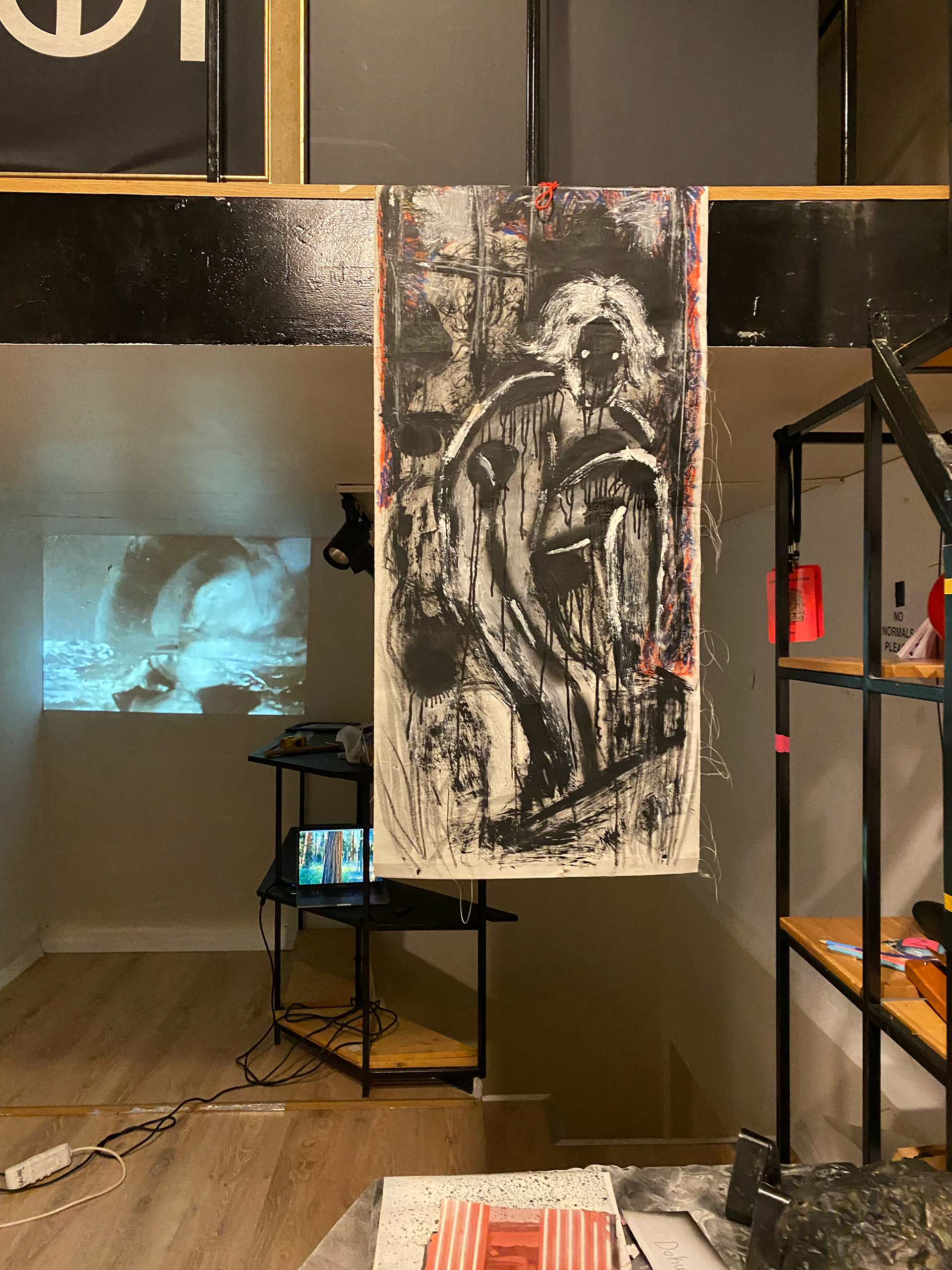
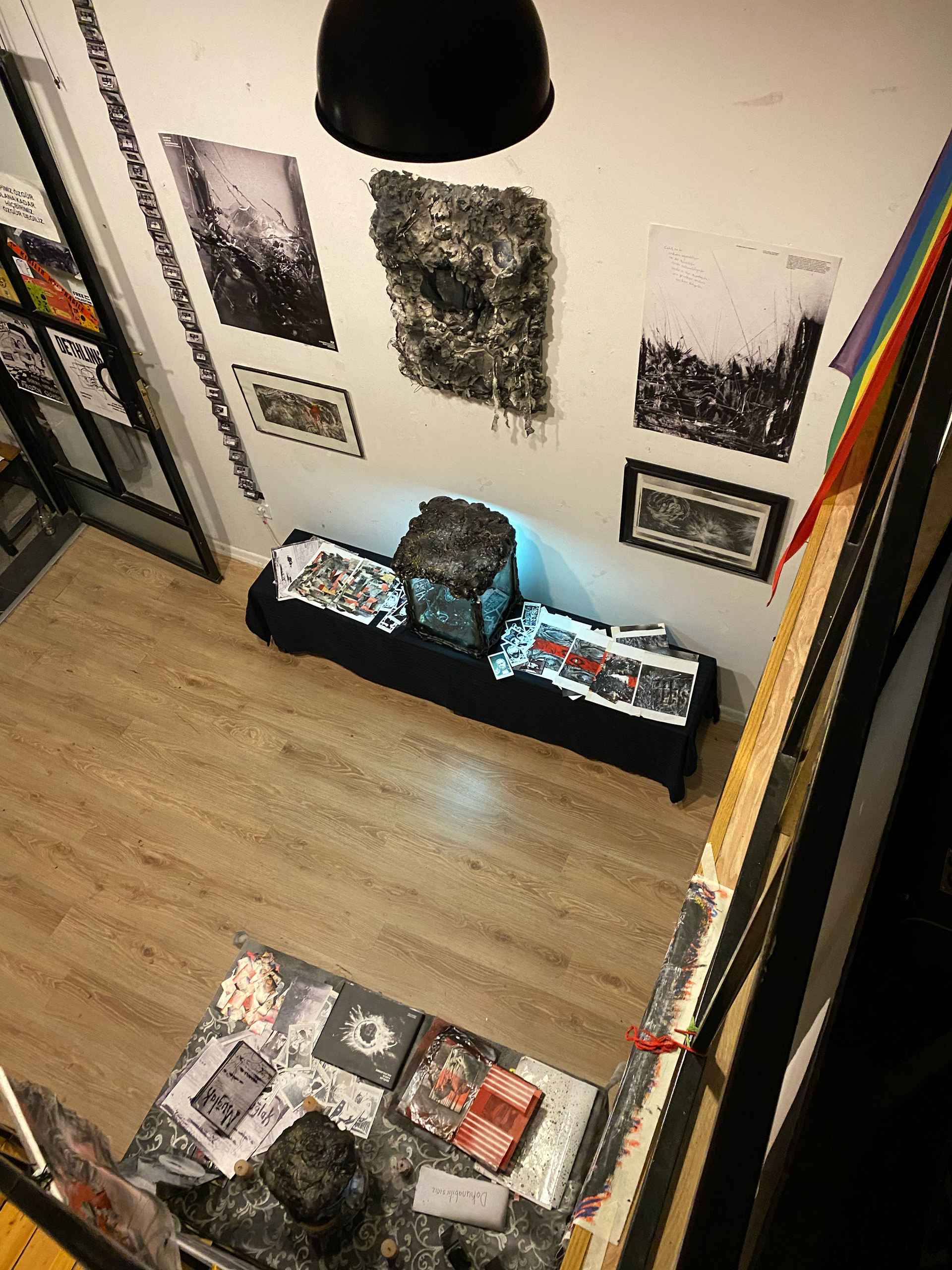
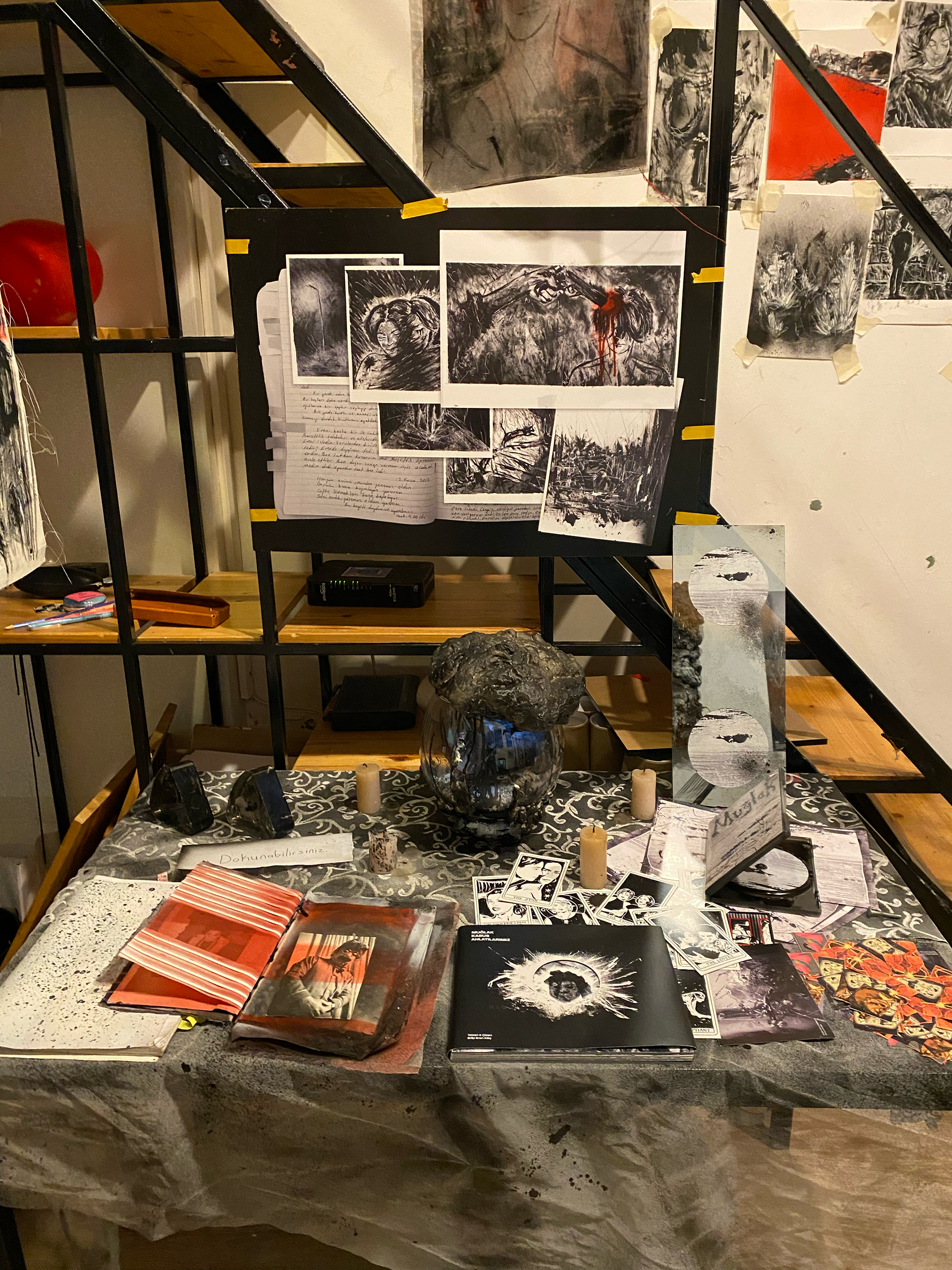
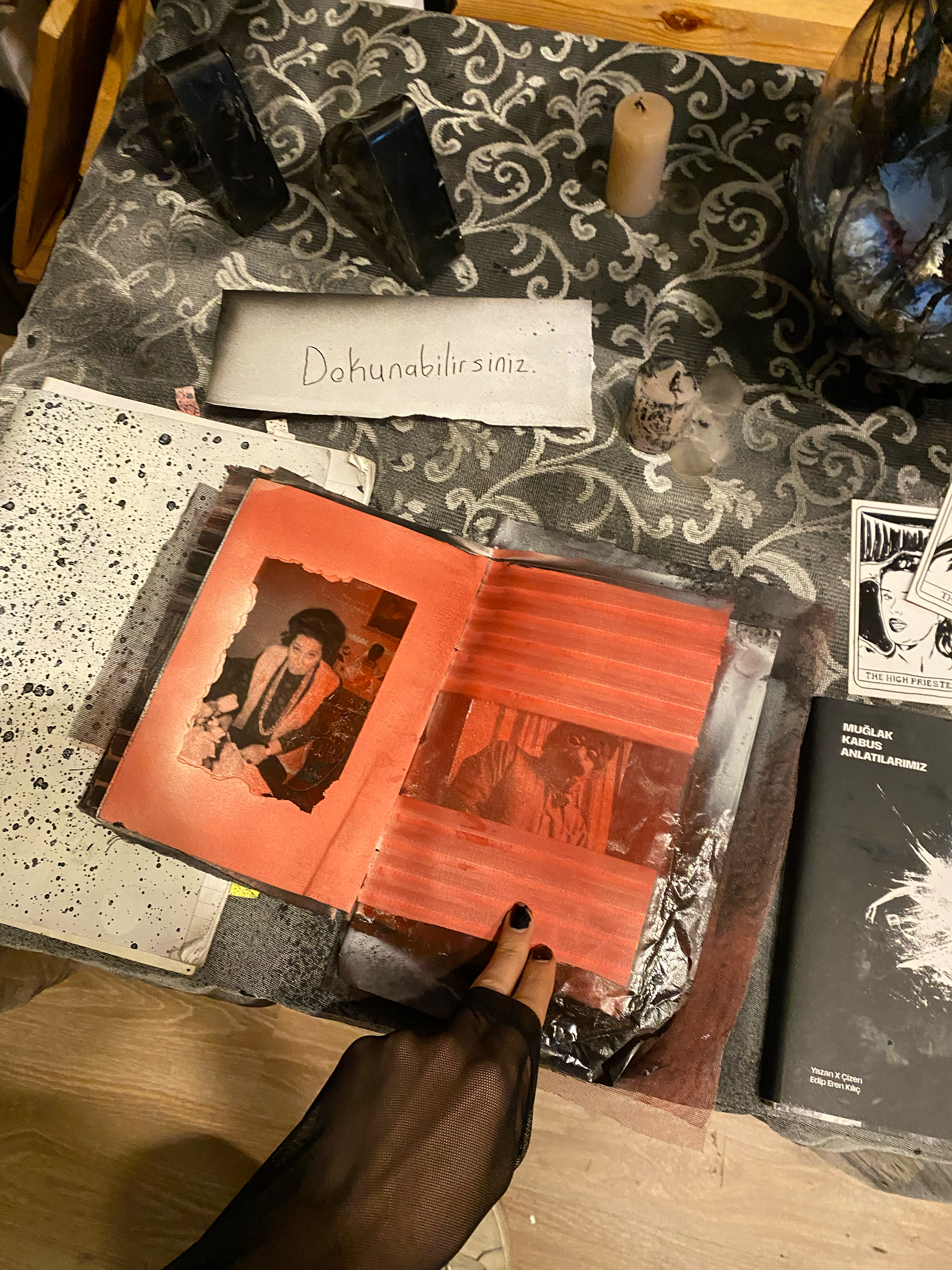
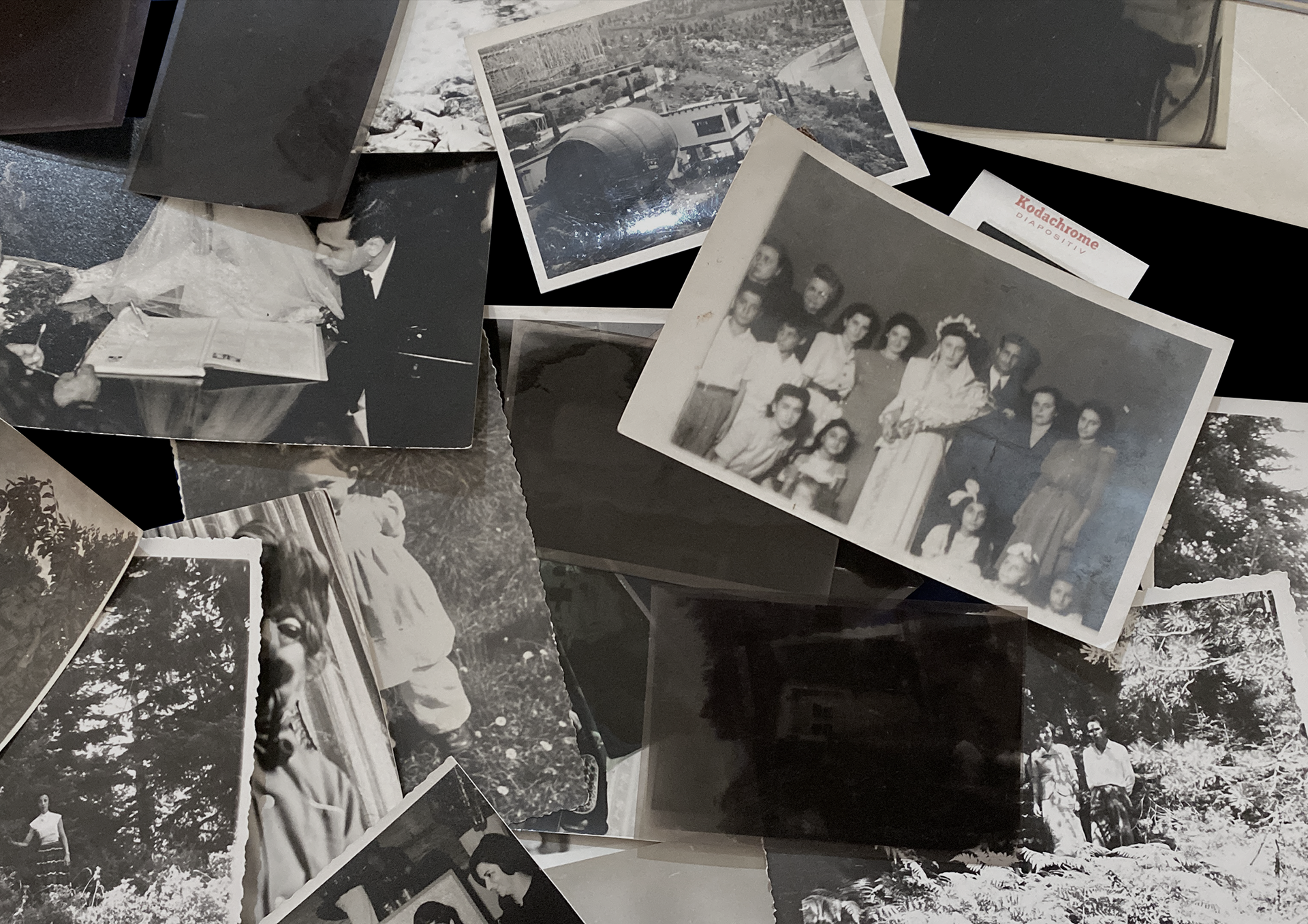
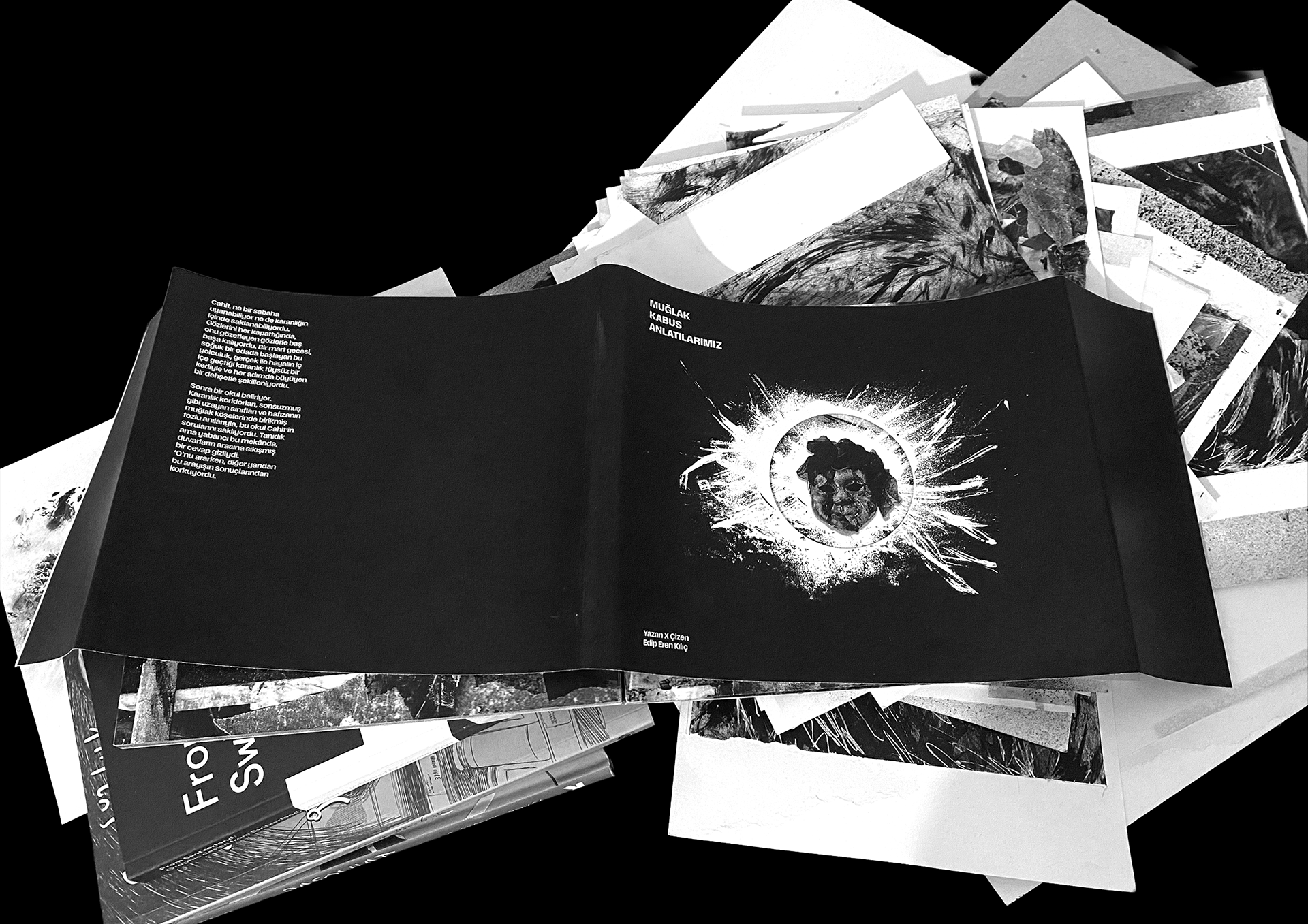
some found photos i used in my project